Tesla's new purpose-built autonomous vehicle aims to revolutionize transportation for millions, offering unprecedented independence and access.
For millions of Americans who rely on wheelchairs, navigating daily life, especially transportation, can be a constant challenge, often limiting independence and access to essential services. That's why Tesla's recent announcement that it's developing a purpose-built, wheelchair-accessible autonomous vehicle has sparked significant interest, offering a glimmer of hope for a future with far greater mobility and freedom.
Here's what happened: during a hearing with the DC City Council, a senior policy advisor for Tesla, India Herdman, revealed that an "active product" designed specifically for wheelchair users is currently under development in Texas. This commitment, while light on specific timelines or vehicle details, suggests the electric vehicle giant is looking to address a critical gap in the burgeoning robotaxi market.
The disclosure came as part of a discussion around proposed legislation that could allow autonomous ride-sharing services to operate within Washington, DC.
Why accessible robotaxis are a game-changer for mobility
The profound impact of truly accessible autonomous vehicles on the lives of wheelchair users cannot be overstated. Current transportation options for those with mobility challenges are frequently inadequate, often involving specialized paratransit services that require booking days in advance, operate on fixed schedules, and can be unreliable, inflexible, and costly. Traditional taxis and standard ride-share vehicles are largely inaccessible, severely limiting spontaneous travel and increasing dependence on others.
An autonomous, on-demand, wheelchair-accessible vehicle would represent a monumental shift. It promises spontaneous mobility, allowing individuals to hail a ride anytime, anywhere, without the need for assistance from a driver or the complexities of pre-arranged services. This unprecedented level of freedom could unlock significant social, educational, and economic opportunities for people with disabilities, fostering greater independence and enabling fuller participation in community life.
From a market perspective, addressing accessibility is not merely a social responsibility but also a substantial economic opportunity. The disability community represents a considerable consumer base across North America, and integrating accessibility from the outset could allow companies like Tesla to capture a significant segment of the future mobility market. Furthermore, proactively addressing inclusivity helps in gaining regulatory approval and public trust, as cities and lawmakers increasingly demand that new transportation technologies serve all residents.
What Tesla's existing robotaxi efforts reveal about the challenge
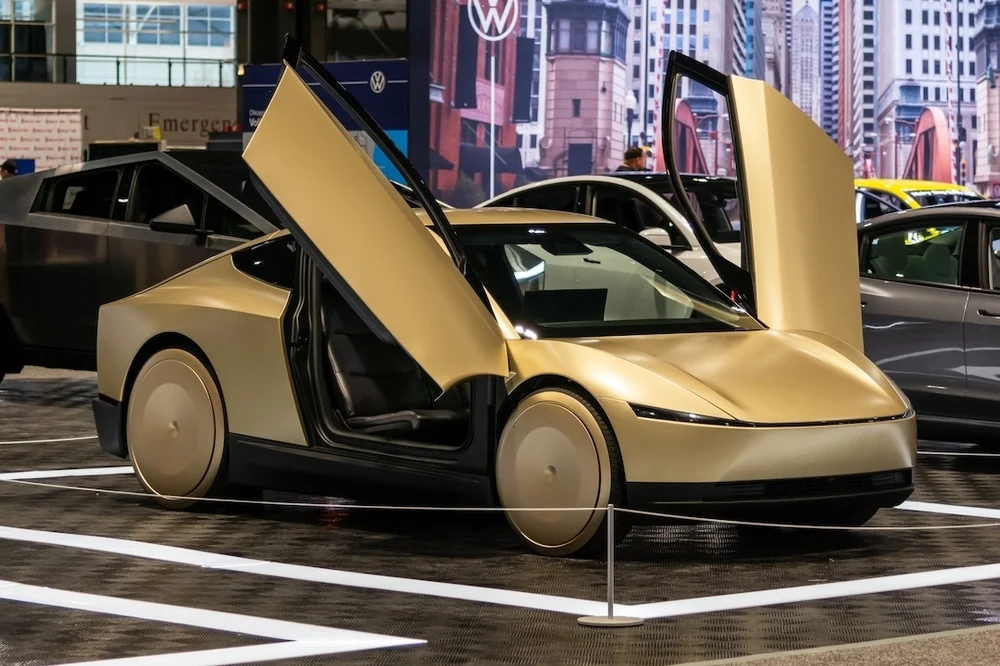
This is where the previously unveiled Robovan concept becomes particularly relevant as the "active product" referenced by Herdman, with the Robovan having been unveiled nearly two years prior. Such a vehicle, if designed for accessibility, would need to integrate features like automated ramps, securement systems, and ample interior space required for a truly wheelchair-accessible vehicle that meets federal Americans with Disabilities Act (ADA) standards and user expectations.
Developing such a vehicle, however, involves far more than simply adding a ramp. It requires meticulous engineering to ensure not only safety and reliability but also universal ease of use for a diverse range of mobility devices and passenger needs. This includes robust, intuitive automated securement mechanisms, accessible user interfaces for summoning and controlling the ride, and comprehensive sensor systems that assist with safe and independent boarding and alighting for all users. The technical complexities extend beyond core autonomy to ensure every aspect of the rider experience is seamless and safe for those with disabilities.
Tesla has a well-documented history of ambitious announcements followed by lengthy development cycles, and sometimes even significant delays in bringing products to market. Products like the Full Self-Driving (FSD) software have seen multiple revised timelines, and the Cybertruck experienced considerable production delays. This track record suggests that while the intention for a wheelchair-accessible robotaxi is now official, a widely available service could still be years away, requiring a healthy dose of patience from potential users and investors.
The broader autonomous vehicle industry also faces significant hurdles, from perfecting self-driving technology in unpredictable urban environments to navigating a patchwork of state and local regulations. Adding comprehensive accessibility features introduces another crucial layer of complexity, requiring extensive collaboration with disability advocates, rigorous testing to meet diverse user needs, and adherence to specific safety and accessibility standards that are still evolving for autonomous systems. Other major players in the robotaxi space, such as Waymo and Cruise, have also faced challenges in scaling their operations and integrating comprehensive accessibility, indicating the industry-wide nature of these hurdles.
For Tesla, delivering on this promise would not only enhance its public image but also solidify its position as a leader in truly innovative and inclusive transportation solutions. It would represent a significant step in the company's long-term strategy to diversify beyond personal vehicle ownership into a broader Mobility-as-a-Service model, expanding its addressable market while addressing a critical societal need. The journey to a truly accessible autonomous future is undoubtedly long and fraught with challenges, but the prospect of empowering millions with unprecedented mobility makes it a critical endeavor for Tesla and the entire industry.
Frequently asked questions
Is Tesla building a wheelchair-accessible robotaxi?
Yes, Tesla has announced plans to develop a purpose-built, wheelchair-accessible autonomous vehicle. This initiative aims to enhance mobility and independence for millions who rely on wheelchairs by providing revolutionary transportation options.
Where will Tesla's accessible robotaxi be built?
Tesla has indicated that its wheelchair-accessible robotaxi will be built in Texas.
What is the main benefit of Tesla's wheelchair-accessible robotaxi?
The primary benefit is to offer unprecedented independence and access to transportation for individuals who use wheelchairs, making daily navigation significantly easier and less restrictive.
Will Tesla's accessible robotaxi be fully autonomous?
Yes, the vehicle is described as an autonomous vehicle, implying it will be self-driving, further enhancing accessibility.
When can we expect Tesla's wheelchair-accessible robotaxi?
Specific timelines for the release of Tesla's wheelchair-accessible robotaxi have not yet been publicly announced.
Why is a wheelchair-accessible robotaxi important?
It's crucial for addressing the significant transportation challenges faced by wheelchair users, offering a solution that can improve quality of life, access to services, and overall independence.