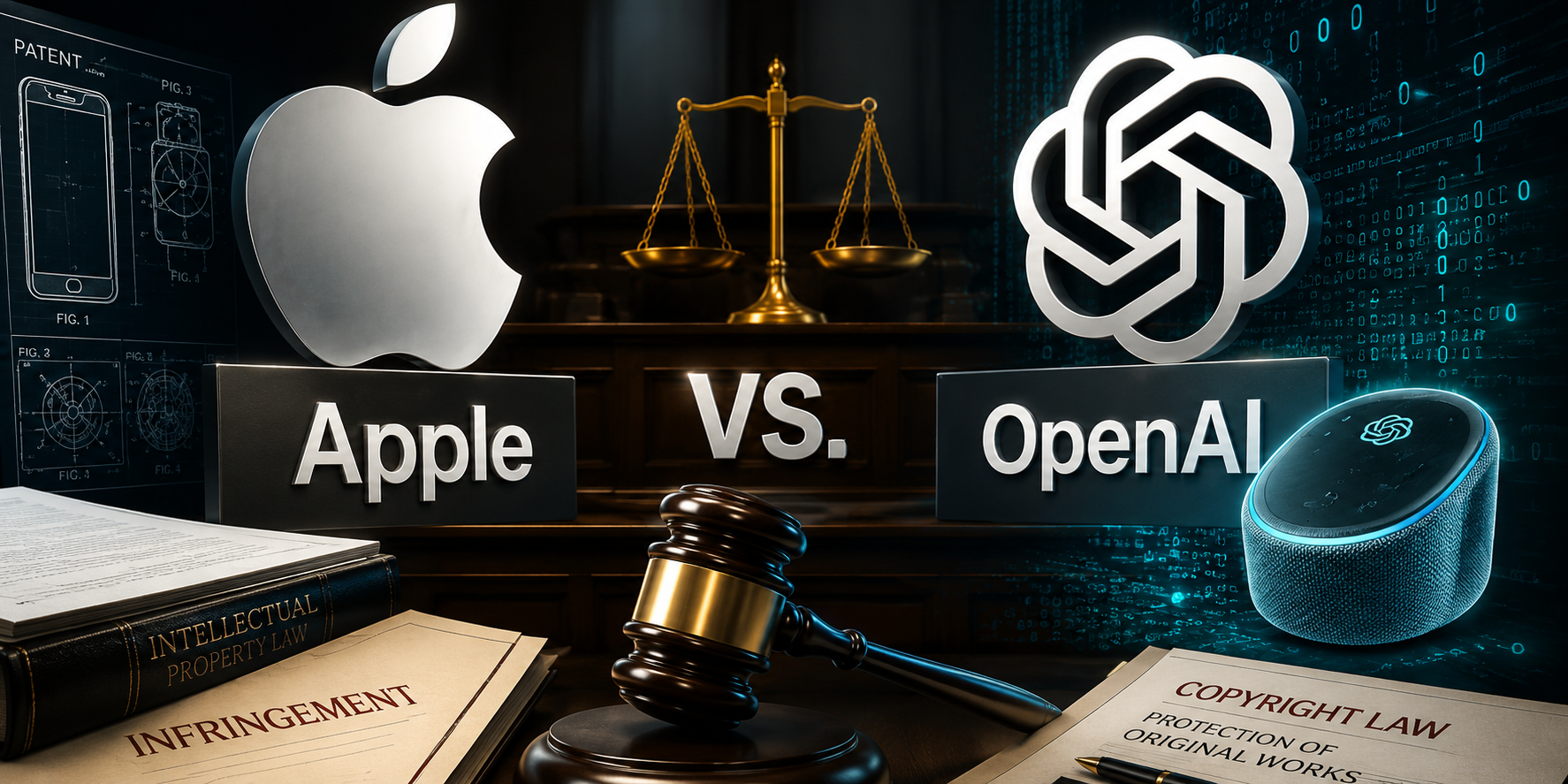
The legal battle between OpenAI and Apple over alleged trade secret theft unexpectedly involves Jony Ive, challenging his delicate ties.
Apple's unfolding legal battle with OpenAI over alleged trade secret theft has cast an unexpected spotlight on Jony Ive, the iconic designer who shaped much of Apple's modern identity. For Ive, whose post-Apple venture, io Products, partnered with OpenAI on the hardware now central to the dispute, this legal entanglement represents a delicate challenge to his carefully maintained relationship with his former employer and a test of the boundaries of innovation.
Jony Ive's design firm, io Products, is inadvertently at the nexus of a high-stakes trade secret lawsuit between Apple and OpenAI.
The legal proceedings could compel Ive to testify, potentially straining his long-standing, respectful relationship with Apple and highlighting the complexities of intellectual property in collaborative ventures.
When Jony Ive departed Apple in 2019 after decades of defining its aesthetic and user experience, it marked the end of an era, but also the beginning of a new chapter for the design visionary. His new firm, io Products, co-founded with Mr. Tan and other former Apple leaders, was poised to explore fresh frontiers in design and technology, free from the corporate constraints of a tech titan. This entrepreneurial leap, driven by a desire to continue pushing the boundaries of hardware innovation, led io Products into a partnership with OpenAI, a collaboration now finding itself at the heart of a significant legal challenge. The collaboration between io Products and OpenAI centered on developing cutting-edge hardware, a venture that Apple now claims involves the theft of its trade secrets. In its lawsuit, Apple carefully avoided directly naming Ive, instead referring to io Products as "a venture co-founded by Mr. Tan and other former Apple leaders." This deliberate framing underscores Apple's apparent desire to maintain distance and respect for its former design chief, whose legacy is intertwined with some of its most successful products, from the original iPhone to the MacBook. However, as the legal process unfolds, particularly during the discovery phase, OpenAI could argue that Ive possesses crucial knowledge regarding the development of the contested products, including what information was relied upon and whether any of Apple's proprietary secrets were involved. This possibility looms large, threatening to pull Ive onto the witness stand and into a direct, awkward confrontation with his former company. For Ive, who has maintained a publicly deferential stance towards Apple since his departure and whose public appearances are typically meticulously controlled, such a scenario would be unprecedented in its potential to disrupt his carefully curated post-Apple image. Being called to testify *against* Apple, even indirectly through OpenAI, would introduce a new dynamic, potentially creating friction not only with his former colleagues but also with OpenAI itself if he feels unnecessarily embroiled in their dispute. This situation highlights a growing tension in the tech ecosystem where the lines between innovation, talent migration, and intellectual property are constantly being redrawn. The delicate balance Apple has tried to strike, by insulating Ive from direct accusation, reflects the immense cultural and historical weight of his contributions. Yet, the legal reality of a trade secret dispute often overrides such considerations. This case serves as a powerful reminder for new ventures globally that while innovation thrives on collaboration and talent mobility, it must be underpinned by robust legal frameworks and clear agreements to protect all parties. The outcome of this fight will not only shape the future of Apple and OpenAI but also offer crucial lessons on the responsibilities of founders, the complexities of corporate partnerships, and the enduring value of intellectual property in a rapidly evolving technological landscape.
Frequently asked questions
What is the legal dispute between Apple and OpenAI about?
The dispute centers on alleged trade secret theft by OpenAI, specifically involving hardware developed by Jony Ive's post-Apple venture, io Products, which partnered with OpenAI. Apple claims its intellectual property has been compromised.
How is Jony Ive involved in the Apple-OpenAI lawsuit?
Jony Ive's company, io Products, partnered with OpenAI on the hardware now central to Apple's trade secret theft allegations, placing him in an awkward position between his former company and current collaborators.
What is io Products?
io Products is Jony Ive's post-Apple venture, a design firm that collaborated with OpenAI on hardware, which has become a focal point in the current legal dispute with Apple.
Why is this fight awkward for Jony Ive?
It's awkward because Ive, a legendary Apple designer, is now involved through his new company with OpenAI, which is accused of stealing trade secrets from Apple, potentially straining his long-standing relationship with his former employer.
What is Apple alleging against OpenAI?
Apple is alleging that OpenAI engaged in trade secret theft, specifically related to hardware that was developed through a partnership between OpenAI and Jony Ive's company, io Products.
Will this lawsuit impact future Apple-Jony Ive collaborations?
While speculative, this lawsuit could potentially strain Jony Ive's relationship with Apple, making future collaborations or even his ongoing advisory role (if any) more complicated, depending on the outcome of the dispute.