Musk's endorsement validates Anthropic's safety-first AI, signaling a major shift in the competitive generative AI landscape.
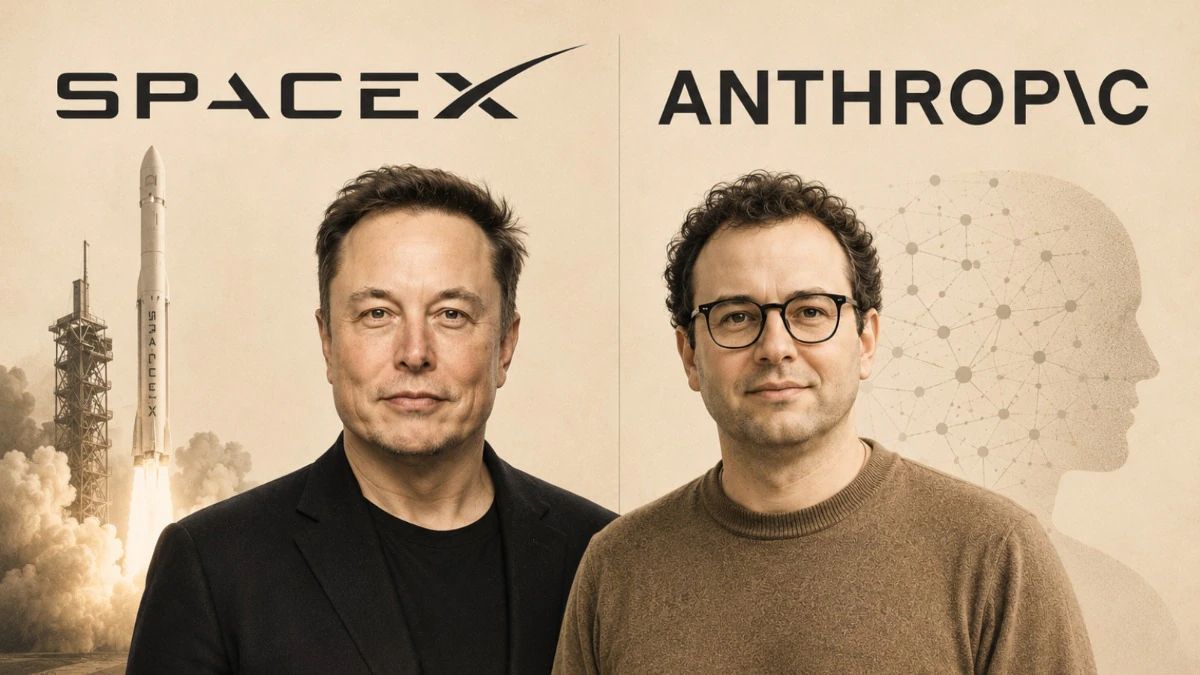
Elon Musk's recent endorsement of Anthropic's AI models as current industry leaders signals a pivotal shift in the fiercely competitive generative AI landscape.
This validation underscores the growing importance of safety-first approaches and Constitutional AI, setting new benchmarks for innovation and responsibility across the global tech sector.
The world of artificial intelligence is a high-stakes arena, where every pronouncement from a prominent figure can send ripples through the global tech ecosystem. When Elon Musk, a titan whose vision has shaped everything from electric vehicles to space exploration and now his own formidable AI venture, xAI, recently declared Anthropic as the current leader in the AI race, praising its Mythos and Fable models, it wasn't just a casual observation. It was a moment that underscored a significant shift in how true AI leadership is being defined and recognized, creating a fresh narrative in the unfolding saga of frontier AI development.
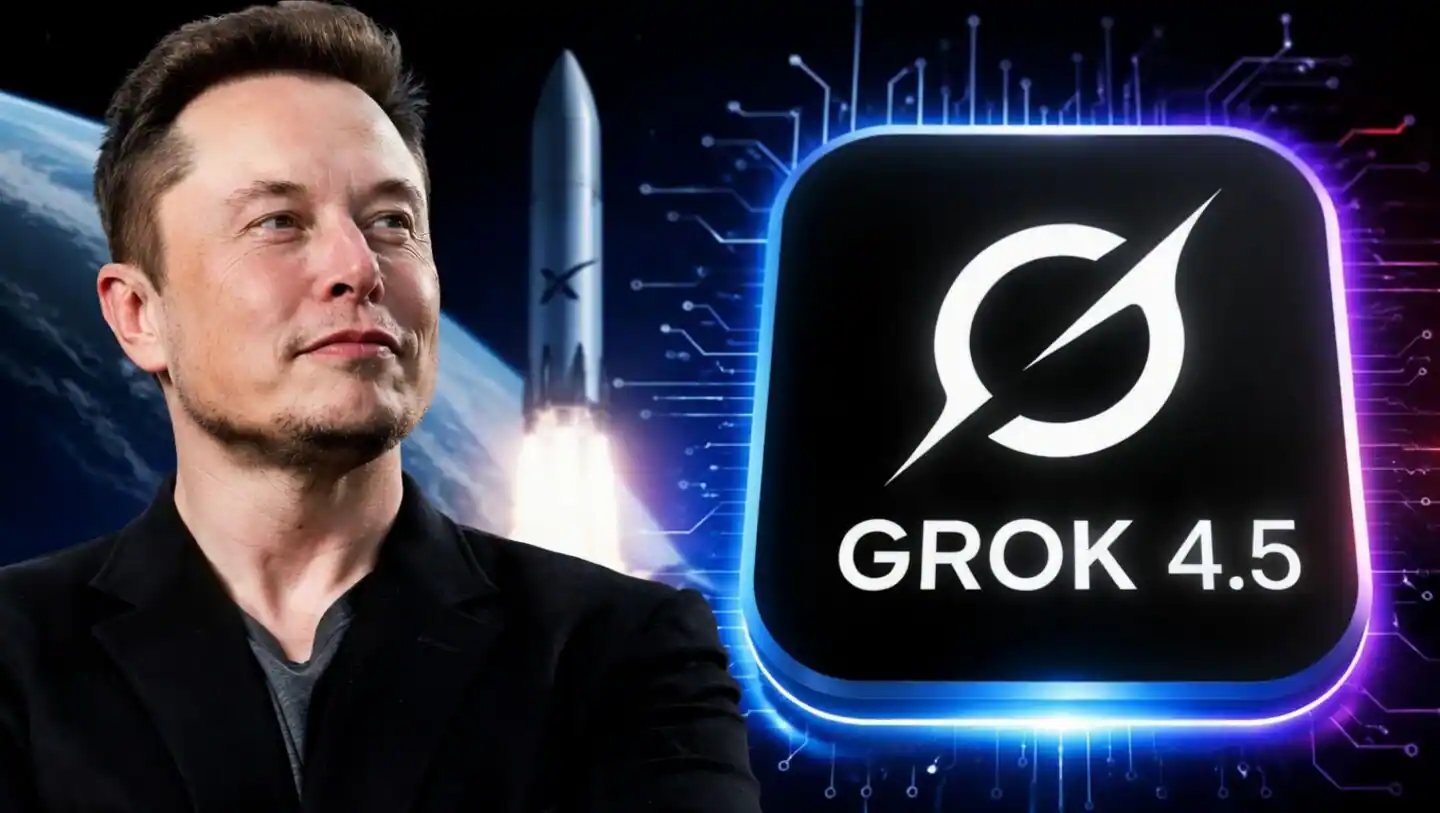
Musk's statement, delivered via social media, specifically highlighted Anthropic's offerings, Mythos and Fable, as standing out in the rapidly evolving landscape. This is a powerful endorsement, especially coming from someone who co-founded OpenAI and now leads xAI, a direct competitor in the AGI pursuit. His words immediately amplified Anthropic's visibility and validated its unique approach, drawing immense attention to a company that has steadily, and perhaps more quietly, built a reputation for pioneering responsible and capable AI.
Anthropic, founded by former OpenAI executives and researchers, emerged from a foundational disagreement over the direction of AI development. Their core motivation was to build highly capable AI systems with an explicit, unshakeable commitment to safety and ethics from the ground up, believing that the commercial pressures at their former workplace might compromise this principle. This philosophical divergence led to the creation of what they term "Constitutional AI," a methodology designed to align AI systems with human values through a set of principles rather than extensive human feedback, directly addressing concerns about bias and harmful outputs proactively and at scale.
What started as a principled stand has evolved into a formidable competitor in the burgeoning field of generative AI. Anthropic's Claude family of models, which include the advanced capabilities Musk referenced with Mythos and Fable, has demonstrated impressive performance across a range of tasks from complex reasoning to creative generation. For its team, the goal was always to develop frontier AI that is not only powerful but also robustly safe and interpretable, aiming for AI systems that can explain their reasoning and adhere to a set of constitutional rules.
The company has attracted significant investments, notably from tech giants like Google and Amazon, securing billions of dollars that underline its perceived potential and strategic importance in the AI arms race. These substantial funding rounds position Anthropic as a well-capitalized challenger to OpenAI, Google's DeepMind, and Meta's AI research, signaling strong market confidence in its unique approach and technological prowess.
My read is that Musk's specific mention of Mythos and Fable points to a recognition of their advanced capabilities combined with this underlying architectural commitment to safety. It's a testament to the fact that cutting-edge performance doesn't have to come at the expense of ethical considerations. This focus on safety and alignment isn't merely a differentiator; it's a foundational ethos that resonates profoundly with a global ecosystem increasingly grappling with the societal implications of advanced AI, from misinformation to job displacement.
The impact of such an endorsement from a figure like Musk extends far beyond a simple shout-out. It shifts the narrative, compelling other players to take Anthropic's approach even more seriously, potentially influencing their own development roadmaps and safety protocols. For startups in South and Southeast Asia, where responsible technology adoption is a critical driver for innovation, this validation of a safety-first AI leader is particularly relevant. It underscores that the path to market leadership in AI might not solely be about raw computational power or model size, but also about the depth of ethical integration and alignment. It suggests a potential acceleration in venture capital interest towards AI ventures that prioritize similar ethical frameworks, offering a new lens through which to evaluate promising technologies and fostering a culture of responsible innovation.
This development also highlights the intense, multifaceted competition that defines the current AI landscape, a veritable "AI talent war" and "race for compute." Beyond just Anthropic, we see OpenAI constantly pushing its GPT models, Google iterating on its Gemini models, Meta pushing the boundaries with open-source initiatives like Llama, and xAI itself striving to build "truth-seeking AI." Each player brings a distinct philosophy and technological approach, creating a vibrant, albeit sometimes frenetic, environment for innovation. Musk's comments, in essence, serve as a public benchmark, a momentary pause to acknowledge a current frontrunner in a race with no clear finish line, while also underscoring the dynamic nature of this competition.
From an ecosystem-insider perspective, what strikes me here is not just the technical prowess of Anthropic's models, but the broader signal it sends about the evolving criteria for AI excellence. It’s no longer enough to just be powerful; the conversation is rapidly moving towards how that power is harnessed, constrained, and aligned with human intent. This is a crucial distinction that will shape product development, regulatory frameworks, and public perception globally. For Indian and Southeast Asian AI companies, this means that integrating responsible AI principles from the outset, rather than as an afterthought, could become a significant competitive advantage when seeking investment or market entry. The emphasis shifts from simply building an AI to building responsible AI, particularly for applications in sensitive sectors like healthcare, finance, and education.
The validation of Anthropic's approach also shines a light on the talent exodus and subsequent creation of new AI powerhouses. The founders' decision to leave OpenAI to pursue their vision of safer AI demonstrates the profound conviction required to challenge established norms and build a company from the ground up in one of the most competitive tech sectors. This journey, from a fundamental disagreement to being lauded by an industry titan, is a powerful narrative for aspiring entrepreneurs everywhere, particularly those in emerging markets like India, Vietnam, and Indonesia, looking to carve out their own niche in complex, advanced technological fields.
Looking ahead, Musk's endorsement will undoubtedly fuel greater scrutiny and perhaps even more rapid development at Anthropic. The challenge now is to maintain this perceived leadership, not just in terms of model capabilities but also in the continued advancement of their safety mechanisms. The "Constitutional AI" approach will likely be tested and refined further as models become even more sophisticated and ubiquitous. This ongoing pursuit of safer, more aligned AI is not just Anthropic's burden but a collective industry responsibility, one that impacts how AI is deployed in critical sectors from healthcare to finance across South and Southeast Asia.
The ripple effect in our region will be tangible. Local startups developing AI applications, from customer service chatbots to sophisticated data analysis tools, will increasingly look to these frontier models, including Claude, as foundational components for their own innovations. The emphasis on ethical AI by a recognized leader like Anthropic will likely influence the development of AI governance frameworks and best practices within countries like India, Singapore, Indonesia, and Malaysia. We might see a greater push for explainable AI, bias mitigation, and privacy-preserving techniques as local innovators aim to build trust and ensure sustainable growth in their respective markets, potentially leading to new regulatory mandates or industry standards.
This isn't just about one company's moment in the spotlight; it's about the continued maturation of an entire industry. The discourse around AI leadership is now inextricably linked to questions of safety, alignment, and responsible deployment. For entrepreneurs and innovators across India and Southeast Asia, this is a clear signal: the future of AI belongs to those who can master both cutting-edge capabilities and unwavering ethical commitment. The race isn't just for the fastest or most powerful AI, but for the most trustworthy and beneficial, creating a distinct competitive edge for those who integrate these principles.
This evolving landscape presents immense opportunities for India's burgeoning AI ecosystem and its counterparts in Southeast Asia. As global benchmarks shift to prioritize not just raw power but also safety and alignment, local innovators are uniquely positioned to contribute by developing culturally relevant, ethically sound AI solutions. The push for responsible AI, championed by players like Anthropic and acknowledged by figures like Elon Musk, provides a robust framework for building impactful, ethical solutions that can address regional challenges and propel these nations onto the global AI stage. It is a powerful reminder that truly transformative innovation comes not just from ambition, but from a profound sense of responsibility towards the future.
Frequently asked questions
Who did Elon Musk say is the current AI leader?
Elon Musk recently stated that Anthropic, with its Mythos and Fable models, is the current leader in the artificial intelligence industry. This endorsement highlights Anthropic's advancements, particularly in safety-focused AI development.
What are Mythos and Fable models?
Mythos and Fable are specific AI models developed by Anthropic, which Elon Musk has praised as leading the industry. These models are likely at the forefront of generative AI capabilities, emphasizing safety and ethical considerations through approaches like Constitutional AI.
Why is Elon Musk's endorsement of Anthropic significant?
Musk's endorsement is significant because he is an influential figure in the tech and AI sectors. His validation can elevate Anthropic's profile, influence investor confidence, and signal a shift in industry benchmarks towards safety and responsibility.
What is Constitutional AI?
Constitutional AI is an approach developed by Anthropic to train AI systems to be helpful, harmless, and honest by guiding them with a set of principles, or a 'constitution,' rather than relying solely on human feedback. This method aims to make AI more aligned with human values and safer.
How does Anthropic compare to other AI companies?
While specific comparisons vary, Elon Musk's statement positions Anthropic, particularly its Mythos and Fable models, as the current frontrunner in AI leadership, indicating it's excelling in areas like model capability and safety-first development compared to competitors.
What does this mean for the future of generative AI?
This endorsement suggests a stronger industry focus on safety, ethics, and responsible AI development, potentially setting new standards for how generative AI models are built and deployed. It could accelerate the adoption of Constitutional AI principles across the sector.