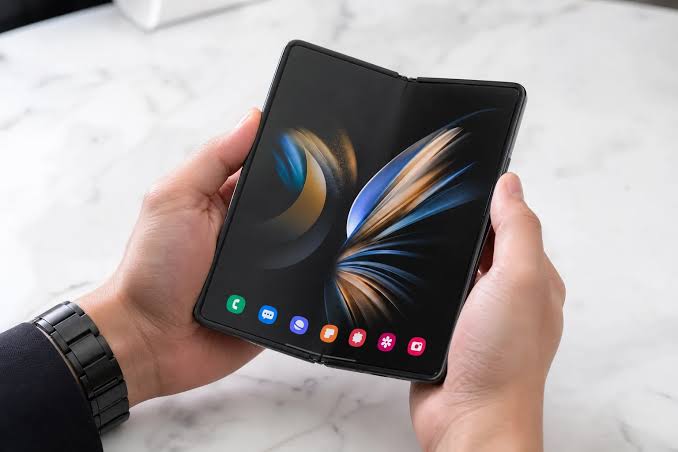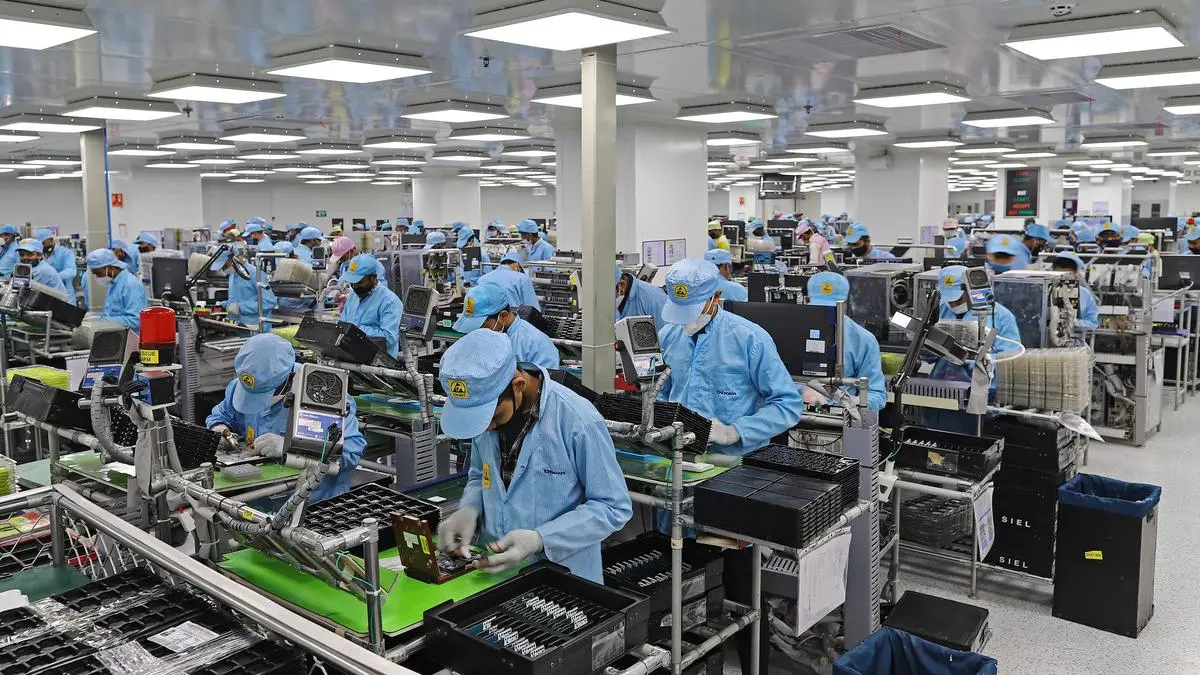
Vivo's new joint venture with Dixon Technologies signals a shift in India's smartphone manufacturing, moving beyond Apple's dominance.
India's Smartphone Boom Enters New Phase as Vivo Inks Landmark Local Manufacturing Deal
India has greenlit a significant manufacturing joint venture between China’s Vivo and local electronics giant Dixon Technologies, a move poised to redefine the country’s smartphone production landscape. This approval signals a pivotal moment for India's ambition to become a global manufacturing powerhouse, extending its success beyond Apple's already substantial footprint. For consumers and tech investors alike, this partnership suggests a future of more resilient supply chains. This week's approval allows Vivo to finally proceed with a manufacturing partnership first announced way back in December 2024. The deal had been held up by New Delhi’s stringent investment rules, enacted in 2020, which mandate extra government scrutiny for investments originating from countries sharing a land border with India, a category that pointedly includes China. The new joint venture will acquire specific manufacturing assets from Vivo, produce a portion of the company's smartphone orders within India, and even has the capacity to manufacture electronic products for other brands, according to a stock exchange filing by Noida-based Dixon. At the heart of this new arrangement is a 51/49 ownership structure, with India's Dixon Technologies holding the majority stake and Vivo retaining the remainder. This structure marks a noticeable shift in how Chinese smartphone brands are navigating India's manufacturing ecosystem, increasingly opting for local partnerships over wholly-owned subsidiaries. For a global industry closely watching the interplay between foreign capital and domestic manufacturing, this model could well become a template for similar collaborations across the sector, broadening India’s smartphone manufacturing story well beyond the iPhone. India has rapidly ascended as a major global hub for smartphone manufacturing in recent years. This rise has been significantly propelled by Apple and its key suppliers, who have ramped up iPhone production in the country as part of a broader strategy to diversify their supply chains away from China. Government incentives, including attractive Production-Linked Incentive (PLI) schemes, have also played a crucial role in luring global electronics manufacturers, substantially boosting India’s standing in global smartphone production. Apple’s multi-year investment in building out its manufacturing footprint in India has paid off handsomely. Today, the tech giant accounts for a staggering 57% of India’s smartphone exports by volume. Chinese brands, however, tell a different story in the Indian market; they dominate domestic sales with a commanding 72% market share but contribute less than 10% to the country’s smartphone exports. This disparity highlights a massive untapped potential if Chinese manufacturers begin to export from India on a scale comparable to Apple.
Why this move is a game-changer for India's tech ambitions
The Dixon-Vivo joint venture is more than just another business deal; it represents a strategic realignment for India's "Make in India" initiative, especially in the electronics sector. It addresses New Delhi's desire for greater local participation and value addition, ensuring that economic benefits accrue more directly within the country. This model effectively balances foreign investment with national industrial policy goals. For many years, the global tech supply chain was heavily concentrated in China, offering efficiency but also presenting geopolitical risks and vulnerabilities to disruptions. The COVID-19 pandemic and escalating trade tensions between the U.S. and China have underscored the urgent need for supply chain diversification. India, with its vast workforce, growing domestic market, and proactive government policies, has positioned itself as a credible alternative, attracting significant interest from global players seeking to "de-risk" their operations. This Vivo-Dixon deal, with its majority Indian ownership, aligns perfectly with that global imperative. The strategic importance of this venture cannot be overstated. It signals to other global tech companies, particularly those from China, that a pathway for deeper engagement in the Indian market exists, provided they align with India's localized manufacturing vision. This could unlock a new wave of investments, fostering competition and innovation within the country's burgeoning electronics ecosystem. It also enhances India's credibility as a reliable manufacturing partner on the global stage, attracting further investment in related sectors like component manufacturing and R&D.
What this means for the global smartphone market and consumers
This partnership provides Chinese brands, particularly those that have faced increased regulatory scrutiny and geopolitical headwinds, with a more stable and sustainable operating model in India. The tightened investment rules for neighboring countries following border clashes in 2020, coupled with tax and regulatory investigations faced by companies like Oppo, Vivo, and Xiaomi, have made direct, wholly-owned investments a challenging proposition. Ceding majority control to an Indian partner like Dixon Technologies now appears to be a pragmatic and indeed more resilient path forward for market access and expansion. Tarun Pathak, a research director at Counterpoint Research, has noted that the approval of this joint venture creates a "win-win" situation for both parties. He argues that the majority-Indian-owned structure offers Vivo enhanced policy alignment and a smoother operating environment, while providing Dixon with the scale necessary to deepen local value addition and pursue significant export opportunities. This collaboration could set a precedent, influencing how other Chinese tech giants structure their future investments in India. Vivo, despite the regulatory hurdles, has maintained its strong presence in the Indian market, even manufacturing and exporting smartphones from India for years. The company retained the top spot in India’s smartphone market with a 23% shipment share in Q1. However, this approved venture marks a crucial pivot towards a majority Indian-owned manufacturing structure, allowing the market leader to further embed itself within the world’s second-largest smartphone market. For Dixon Technologies, India’s largest electronics manufacturing services company, the implications are substantial. This venture is projected to add an annualized manufacturing volume of approximately 20 million to 22 million smartphones, based on Vivo’s current sales figures, according to comments by Managing Director Atul Lall during the company’s May earnings call. This represents a meaningful volume increase for a publicly traded company whose growth trajectory increasingly relies on securing precisely these types of large-scale manufacturing contracts. Dixon already manufactures smartphones for Xiaomi, another major Chinese brand, demonstrating its growing role as a trusted manufacturing partner for both global and Chinese tech players in India. This further solidifies Dixon's position as a reliable and strategic choice in India’s ambitious electronics build-out. The model established by the Dixon-Vivo joint venture could very well become a blueprint for other Chinese smartphone brands looking to deepen their engagement in India. As geopolitical realities continue to shape global trade and investment, such partnerships offer a pragmatic solution for foreign companies to navigate complex regulatory environments while contributing to local economic development. This shift not only strengthens India’s manufacturing ecosystem but also contributes to a more diversified and resilient global technology supply chain.
Frequently asked questions
What is the significance of the Vivo-Dixon Technologies joint venture in India?
The Vivo-Dixon JV marks a new phase in India's smartphone manufacturing boom, signaling a shift towards local partnerships for Chinese brands and potentially broadening India's role beyond Apple's influence. It aligns with India's push for greater local participation and provides a stable operating model for Vivo under tightened investment rules.
How does the Vivo-Dixon JV structure differ from previous Chinese brand investments in India?
The Vivo-Dixon JV is a 51/49 venture, with Dixon (Indian company) holding the majority stake. This reflects a broader shift where Chinese brands are ceding majority control to Indian partners, largely due to New Delhi's tightened investment rules and increased scrutiny following border clashes and regulatory investigations.
What role has Apple played in India's smartphone manufacturing growth?
Apple, with its suppliers like Foxconn and Tata, has been instrumental in making India a major global smartphone production hub. It accounts for 57% of India's smartphone exports by volume, demonstrating the country's potential as a manufacturing base.
What is the potential impact of this venture on Dixon Technologies?
For Dixon Technologies, India’s largest electronics manufacturing services company, the venture could add annualized manufacturing volumes of about 20 million to 22 million smartphones. This significantly boosts their growth and reinforces their position as a key manufacturing partner in India.
Why are Chinese smartphone brands increasingly forming local partnerships in India?
Chinese brands are exploring local partnerships due to India's tightened investment rules for neighboring countries, following 2020 border clashes and subsequent tax and regulatory investigations. Ceding majority control to an Indian partner provides a more stable and policy-aligned operating model.
How does India benefit from joint ventures like the Vivo-Dixon partnership?
India benefits by deepening local value addition in electronics manufacturing, attracting more foreign investment under favorable terms, and boosting its overall role in the global smartphone supply chain. It also helps achieve its goal of diversifying and expanding its manufacturing capabilities.