Ex-racer's defense tech startup achieves $1B valuation, becoming Europe's newest unicorn amid surging investment in the sector.
European Defense Tech Accelerates as Former Racer's Startup Hits Unicorn Status
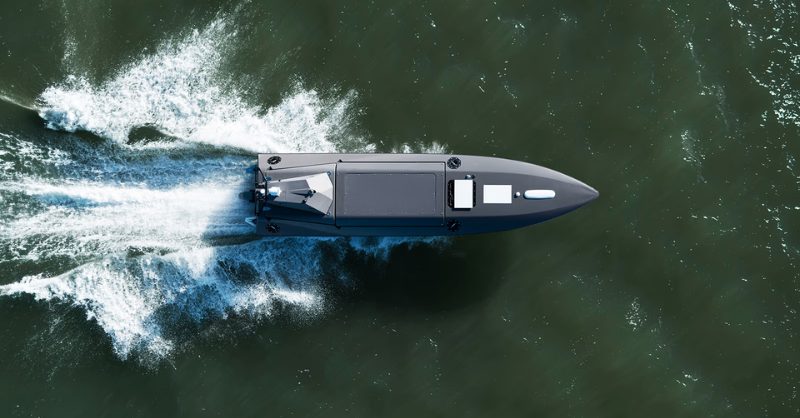
A European startup founded by a former professional speedboat racer has achieved a valuation exceeding $1 billion, marking it as the continent's newest defense unicorn and signaling a profound shift in investor appetite and strategic focus within the defense technology sector. This milestone underscores the increasing integration of agile, commercially-driven innovation into national security capabilities, challenging traditional defense contractors and reshaping the landscape of military procurement across the Euro-Atlantic alliance. The development reflects a broader recalibration of capital allocation towards defense innovation, driven by geopolitical imperatives and the urgent demand for next-generation, high-speed autonomous platforms. The company, which emerged from developing advanced autonomous maritime systems for commercial applications, has successfully pivoted and adapted its core technology for critical defense needs, including intelligence, surveillance, and reconnaissance (ISR) and force protection. This transition has attracted significant private capital, culminating in a recent funding round that pushed its valuation past the unicorn threshold. While specific deal terms and investor names remain undisclosed, the investment signals a growing confidence among venture capital and private equity firms in the long-term growth prospects of dual-use technologies with clear military applications, particularly those addressing gaps in uncrewed system capabilities. This rapid ascent highlights a burgeoning trend where non-traditional defense players, often leveraging commercial off-the-shelf (COTS) components and agile development methodologies, are disrupting an industry historically dominated by large, established primes. The startup’s success can be attributed to its ability to iterate quickly and deploy sophisticated, high-performance autonomous platforms that offer cost-effective alternatives or complements to existing naval assets. Its founder's background in high-speed maritime racing provided unique insights into hydrodynamic efficiency and operational resilience in challenging marine environments, proving instrumental in the development of robust uncrewed surface vessels (USVs) capable of extended missions.
What It Means
The emergence of a defense unicorn from a founder with a non-traditional military background signifies a pivotal moment for Europe's strategic autonomy and its defense industrial base. This event validates the hypothesis that venture capital, previously wary of the defense sector due to long procurement cycles and ethical concerns, is now actively seeking opportunities to back companies with disruptive technologies. The shift reflects a recognition that geopolitical realities demand rapid innovation and that commercial agility can deliver critical capabilities faster than traditional defense acquisition models. This influx of private capital empowers nascent companies to scale quickly, potentially creating a more diverse and resilient supply chain for defense technologies across the continent. Moreover, the success of this startup underscores a strategic reorientation within European defense ministries towards integrating cutting-edge technologies like advanced AI, robotics, and autonomy. These capabilities are proving essential for modern warfare, as evidenced by ongoing conflicts. The ability of a smaller, agile company to achieve such a valuation suggests that defense spending is increasingly being directed not just towards large hardware platforms but also towards sophisticated software and autonomous systems that can multiply existing force effectiveness. This dynamic could compel traditional defense primes to accelerate their own innovation cycles, fostering a more competitive and technologically advanced European defense ecosystem.
€1 Billion+ The valuation threshold surpassed by the European startup, designating it a unicorn and marking a significant injection of private capital into the continent's defense technology sector, previously dominated by established primes and public funding.
The Context
The journey from a speedboat racer's passion project to a defense unicorn is emblematic of the "dual-use" technology paradigm, where innovations developed for commercial markets find critical applications in defense. For years, venture capital largely shied away from defense, preferring the rapid returns of consumer tech or enterprise software. However, Russia’s full-scale invasion of Ukraine in 2022 served as a stark wake-up call, demonstrating the immediate and critical need for advanced military capabilities, particularly in areas like drones, resilient communications, and artificial intelligence. This geopolitical shift has fundamentally altered investor risk assessments, drawing billions in new capital into defense technology. Europe, in particular, has seen a resurgence in defense spending and a concerted effort to strengthen its industrial base. Nations are striving to meet NATO's 2% of GDP defense spending target, leading to increased budgets and a renewed focus on indigenous innovation. The European Defence Fund and various national initiatives are actively seeking to foster a more integrated and capable European defense technology landscape, reducing reliance on non-European suppliers. The unicorn status achieved by this startup validates these efforts, demonstrating that Europe can cultivate and scale its own defense tech champions, bridging the gap between innovative startups and the complex demands of military integration. The historical fragmentation of the European defense market has often hindered the growth of startups, with national procurement priorities and differing technical standards creating barriers to scale. However, the urgency of current security threats is forcing greater collaboration and standardization, creating a more fertile ground for companies like this maritime autonomous systems developer. Its ability to navigate regulatory landscapes and secure initial contracts, likely through national or EU-backed pilot programs, has been crucial in building momentum and attracting subsequent investment rounds. The narrative of a disruptive outsider, leveraging cutting-edge commercial expertise, also resonates with a desire within defense establishments for fresh perspectives and faster deployment cycles.
What Analysts Say
The rapid valuation of defense-focused startups, while indicative of strong market demand, also raises questions regarding the long-term sustainability of these valuations and the challenges of scaling military-grade solutions. Analysts highlight that while agile development is beneficial, integrating new technologies into legacy defense systems and navigating complex international export controls remain significant hurdles. The "valley of death" between prototype development and large-scale government contracts is notoriously difficult for startups to cross, requiring significant capital and patience that may test the typical VC investment horizon. Furthermore, the specialized nature of defense sales, often requiring extensive certifications and adherence to stringent security protocols, can slow deployment and revenue generation. Concerns also persist around the potential for market saturation in certain high-interest areas, such as drone technology, leading to intensified competition and pressure on profit margins in the future. While the current geopolitical climate ensures robust demand, the cyclical nature of defense spending, coupled with the inherent risks of a single-customer market, suggests that not all defense tech unicorns will maintain their valuations indefinitely. The ability of companies to diversify their product offerings, secure multi-national contracts, and demonstrate clear pathways to profitability beyond initial grant funding will be critical determinants of their sustained success and investor confidence.
What To Watch
The coming months will be critical in observing how this newly minted unicorn translates its valuation into sustained operational impact and market leadership. Key indicators will include the announcement of further strategic partnerships with traditional defense primes, the securing of significant multi-year contracts with European defense ministries, and any expansion into new geographical markets or capability domains. Investors will be closely monitoring the company's ability to scale its manufacturing and support infrastructure to meet growing demand, as well as its agility in adapting to evolving military requirements and technological advancements. The performance of its autonomous maritime systems in real-world scenarios, potentially highlighted through military exercises or operational deployments, will further solidify its market position and influence future capital inflows into the wider European defense technology sector.
Frequently asked questions
What is Europe's newest defense unicorn startup?
Europe's newest defense unicorn is a startup founded by a former professional speedboat racer. It recently achieved a valuation exceeding $1 billion, signaling a significant milestone in the continent's defense technology sector and a shift in investor focus.
Who founded the new European defense unicorn?
The startup was founded by a former professional speedboat racer.
What is the valuation of this defense startup?
The startup has achieved a valuation exceeding $1 billion.
What industry does the startup operate in?
It operates in the defense technology sector.
Why is this unicorn status significant?
It indicates accelerating investor interest and a strategic shift in focus towards defense technology within Europe.
Is this a trend in European defense tech?
Yes, it underscores a growing trend of rapid development and investment in European defense tech.