Virtual VNL & VNR Electric trucks arrive in ATS, accelerating real-world adoption and shifting perceptions of sustainable heavy-duty transport.
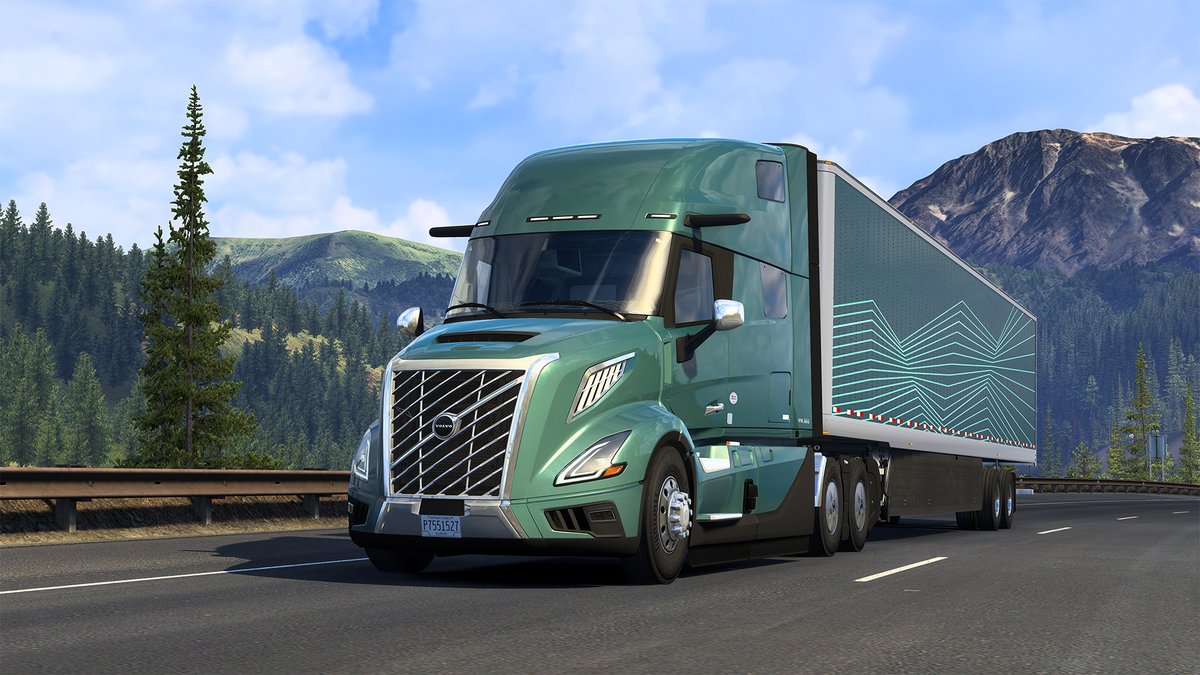
Volvo's VNL and VNR Electric semi-trucks are making a landmark debut in American Truck Simulator, allowing millions of players to virtually pilot battery-electric heavy-duty vehicles across the vast landscapes of North America. This isn't merely a playful update for a popular video game; it's a strategically significant maneuver that could subtly shift perceptions and accelerate the real-world adoption of electric trucking across the continent. For regular people, this ultimately means a faster, cleaner, and more resilient future for the intricate supply chains that deliver countless goods to their doorsteps.
Here's why this development holds considerable weight: It marks the first time that fully electric semi-trucks are a playable option within the highly popular simulation game. This positions Volvo at the forefront of introducing advanced electric vehicle technology to an enormous, highly engaged audience that includes not just casual enthusiasts, but also current professional truck drivers and those aspiring to enter the industry.
American Truck Simulator, known for its deep immersion and authentic driving experiences, boasts a diverse player base exceeding 7 million individuals. These players aren't just racing; they are meticulously hauling cargo, managing finances, and expanding virtual logistics empires, experiencing the nuances of the trucking world. Now, their digital fleets can integrate Volvo's zero-emission trucks, offering a hands-on, low-stakes environment to explore the practicalities and benefits of electric powertrains without the considerable real-world investment.
Volvo Trucks North America President Peter Voorhoeve explicitly highlighted this integration's value, describing it as an "exciting way to introduce our trucks, both the diesel and the battery-electric version, to millions of truck enthusiasts around the world." This statement clearly underscores a broader strategic imperative: normalizing electric trucks in a professional sphere long dominated by traditional diesel engines. It’s about demystifying what, for many, remains an unfamiliar and potentially intimidating technology.
The groundwork for this virtual leap was laid years ago in the real world. Volvo's VNR Electric, a regional-haul heavy-duty electric truck, has seen real-world deployment across the continent. More recently, the company unveiled the new VNL Electric, designed for longer routes, broadening its appeal beyond regional applications.
Why This Matters for Driver Acceptance and Industry Transition
This move by Volvo is far more than simple product placement; it represents an astute recognition of how modern technological adoption often initiates and gains momentum within virtual environments. The trucking profession, deeply rooted in tradition and often exhibiting a natural resistance to rapid technological shifts, stands to benefit immensely from a low-risk platform where drivers can experience electric vehicles firsthand. It directly addresses a critical hurdle for any new technology: fostering familiarity, building confidence, and ultimately earning trust among its end-users.
For many professional drivers, the prospect of transitioning from well-understood diesel powertrains to electric alternatives can be daunting, raising legitimate concerns about range anxiety, the availability of charging infrastructure, and perceived performance differences. By offering a virtual proving ground, Volvo is essentially providing a risk-free space to explore these vehicles. Players can simulate complex routes, understand optimal charging stops, and develop a feel for the truck's unique dynamics and operational characteristics, thereby potentially building confidence and reducing real-world apprehension.
Beyond current drivers, this virtual exposure serves as a potent recruitment and marketing tool for the future workforce. Imagine a young enthusiast, or even a seasoned driver considering a career change, interacting with and becoming proficient in the game's electric options. This early, positive engagement with the technology could translate into a greater willingness to consider electric trucks when making real-world purchasing or employment decisions. It’s a clever, forward-thinking approach to cultivate a new generation of EV-aware truckers and fleet managers, directly impacting the talent pipeline for electric logistics.
The Broader Market Impact and the Path Ahead for Electric Freight
The heavy-duty trucking sector is unequivocally a crucial battleground in the global push for decarbonization. While electric passenger vehicles have experienced rapid consumer adoption, commercial trucking faces distinct and formidable challenges related to massive battery requirements, the development of robust charging infrastructure, and the intricate economics of fleet operations. Major players like Volvo, alongside Tesla with its Semi and Daimler's Freightliner eCascadia, are actively competing for market share in this nascent but undeniably rapidly expanding segment. Each electric semi-truck deployed represents a substantial reduction in carbon emissions compared to its diesel equivalent, contributing directly to environmental targets.
Volvo's strategic decision to be the pioneer in integrating electric models into a widely popular simulator underscores a proactive and insightful approach to overcoming these widespread industry hurdles. It's a clear recognition that successful technology adoption isn't solely about engineering prowess; it equally hinges on effective education and fostering cultural acceptance within the user base. My read is that this innovative move sets a powerful precedent for other heavy-duty vehicle manufacturers to follow, potentially transforming seemingly recreational truck simulators into an unexpected yet vital training and familiarization ground for the industry’s impending electric future. The product's increasing sophistication and readiness for a diverse array of real-world operational demands are further emphasized by ongoing advancements.
The implications of this virtual embrace extend well beyond just driver familiarity. Fleet operators, perennially focused on optimizing the total cost of ownership (TCO), might foresee a future workforce that is inherently more adept and comfortable operating electric trucks. This could significantly reduce the costs and time associated with training new drivers and accelerate the seamless transition of entire fleets. The virtual environment offers an invaluable sandbox for experimenting with advanced route planning that strategically optimizes for charging infrastructure, helping to establish critical best practices for efficient and sustainable electric logistics.
North America, characterized by its immense geographical distances and inherently complex supply chains, presents both a formidable challenge and an immense opportunity for electric heavy-duty vehicles. While the expansion of reliable, high-capacity charging infrastructure remains an absolutely critical prerequisite, initiatives like this virtual engagement actively help to build the essential demand and cultural readiness for that infrastructure. It creates a powerful feedback loop: as more virtual drivers become comfortable with electric trucks, real-world interest and investment in the technology naturally grow, which in turn fuels further infrastructure development and deployment.
What truly strikes me here is the innovative convergence of gaming and industrial innovation. Historically, advanced simulators were typically employed for professional training only after a particular technology had become firmly established in the market. Now, we are witnessing their strategic deployment as an integral component of the early adoption cycle, functioning almost as a comprehensive pre-training and sophisticated marketing tool. This burgeoning trend, where immersive virtual experiences increasingly precede and directly inform significant real-world technological shifts, is a phenomenon we are highly likely to observe more widely across a diverse spectrum of industries, from advanced manufacturing to specialized aviation.
This shrewd strategic play by Volvo isn't solely focused on selling more trucks; it’s fundamentally about proactively shaping the narrative and public perception of electric trucking. By making electric rigs a familiar and approachable sight in the digital world, Volvo is skillfully helping to pave the digital highway for a cleaner, more efficient, and ultimately more sustainable North American trucking industry. It represents a smart and forward-thinking bet on the transformative power of engaging virtual experiences to drive tangible real-world change, ensuring that the next generation of logistics is not only environmentally sustainable but also widely understood, confidently embraced, and seamlessly integrated.
Frequently asked questions
What Volvo Electric trucks are available in American Truck Simulator?
Volvo's VNL and VNR Electric semi-truck models are now featured in American Truck Simulator. Players can experience piloting these battery-electric heavy-duty vehicles virtually across North American landscapes. This integration aims to familiarize a wider audience with electric truck technology.
Why did Volvo add electric trucks to American Truck Simulator?
Volvo added electric trucks to American Truck Simulator to strategically shift public perception, accelerate real-world adoption, and promote their battery-electric heavy-duty vehicles to millions of players.
Is American Truck Simulator a popular game?
Yes, American Truck Simulator is a highly popular video game with millions of players, known for its realistic depiction of North American trucking.
What is the significance of electric trucks in ATS?
The significance lies in its potential to introduce sustainable heavy-duty transport to a massive audience, subtly influencing future purchasing decisions and industry trends.
Are Volvo Electric trucks available for purchase in real life?
Yes, Volvo's VNL and VNR Electric semi-trucks are available for real-world purchase and deployment for commercial use.
How does this game integration impact electric truck adoption?
By allowing players to virtually experience electric trucks, it reduces novelty, builds familiarity, and helps overcome potential resistance to new technology, thereby accelerating adoption.