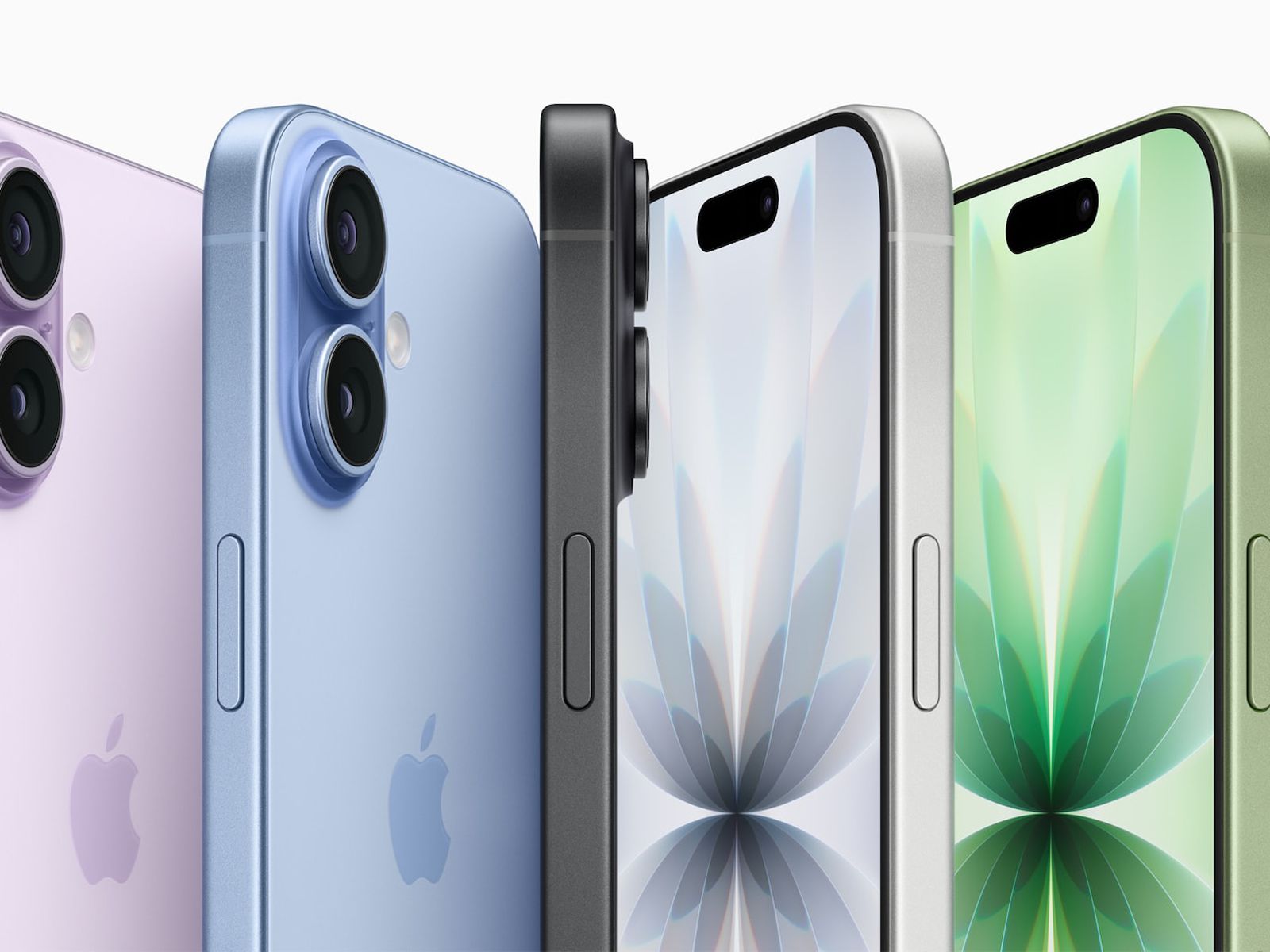
Global iPhone 17 shortages intensify as consumers preemptively buy, anticipating significant price increases and impacting market revenue.
iPhone 17 Shortages Deepen Globally as Preemptive Buying Amplifies Market Pressure
Reports indicate that shortages for the forthcoming iPhone 17 models are intensifying across global markets, driven by a surge in consumer demand ahead of anticipated price adjustments. This preemptive purchasing behavior, fueled by expectations of higher retail costs, could signal significant shifts in revenue recognition and margin performance for Apple Inc. in its crucial holiday quarter, potentially impacting investor sentiment regarding its premium device strategy. The observed scarcity across various retail channels and online storefronts suggests a confluence of robust consumer appetite for the next-generation device and potential constraints within the intricate global supply chain. This dynamic is typically exacerbated by premium device launches, which often see initial demand outstrip immediate manufacturing capacity. The phenomenon underscores the strategic pricing power commanded by Apple within the high-end smartphone segment, even amidst broader inflationary pressures affecting discretionary spending. Analysts are closely watching how Apple navigates this demand-supply imbalance, particularly as macroeconomic headwinds persist and component costs fluctuate. The company’s ability to manage production ramp-ups while maintaining quality control and distribution efficiency will be critical in mitigating financial impact and capitalizing on this concentrated purchasing window. This situation could also lead to extended lead times for consumers, potentially pushing some sales into subsequent fiscal periods.
What Are The Market Implications For Apple?
The deepening shortages for the iPhone 17 line have direct implications for Apple’s immediate financial outlook and its long-term market positioning. A constrained supply environment, while potentially creating an aura of exclusivity and driving demand, can also limit peak sales volume during critical launch phases, translating to deferred revenue. This scenario often results in a higher average selling price (ASP) as consumers gravitate towards available, potentially higher-end, configurations, thereby bolstering per-unit profitability. Furthermore, the anticipation of a price hike for the iPhone 17 models, which reportedly motivates current purchasing trends, reflects a resilient consumer willingness to invest in Apple's ecosystem despite increasing costs. This loyalty allows Apple significant flexibility in its pricing strategy, maintaining robust margins even as input costs for memory, processors, and advanced display technologies continue their upward trajectory. The company’s consistent ability to command premium pricing reinforces its dominant position in the luxury technology sector. The current market environment, characterized by strong consumer electronics demand juxtaposed with persistent supply chain fragilities, creates a complex landscape for technology giants. Apple’s performance under these conditions offers a key indicator of consumer resilience and the enduring strength of brand ecosystems in influencing purchasing decisions. The interplay between limited availability and price sensitivity remains a critical variable for investors monitoring the company's stock performance.
Market sentiment suggests a continued willingness among consumers to absorb premium pricing for flagship smartphones, provided the perceived value in innovation and ecosystem integration remains high. This elasticity allows manufacturers like Apple to manage inflationary pressures while sustaining robust revenue streams.
What Drives Premium Smartphone Demand?
The consistent demand for premium smartphones, exemplified by the iPhone 17 rush, is driven by a multifaceted interplay of technological advancement, brand loyalty, and ecosystem lock-in. Consumers often view flagship devices as essential tools for productivity, entertainment, and social connection, justifying higher expenditure for cutting-edge features and a seamless user experience. Apple, in particular, benefits from a deeply integrated software and hardware ecosystem that fosters strong customer retention. Supply chain dynamics, especially those impacting advanced semiconductor components and specialized display technologies, frequently influence the availability of new devices. Global macroeconomic factors, including inflation and currency fluctuations, also play a significant role in pricing strategies and consumer purchasing power. These elements combine to create a volatile yet predictable cycle of demand and supply around major product launches. The observed shortages for the iPhone 17 align with a broader trend of supply chain bottlenecks that have affected numerous industries since the pandemic, from automotive to consumer electronics, highlighting the persistent challenges in global logistics and component sourcing. The strategic timing of new product releases ahead of key retail seasons, such as the year-end holidays, further intensifies demand. Consumers often delay upgrades, anticipating the latest innovations and improvements in camera technology, processing power, and battery life, which culminates in a concentrated purchasing period. This behavior, coupled with marketing efforts emphasizing incremental yet impactful technological leaps, cultivates a sense of urgency among the target demographic.
How Do Analysts View Apple's Pricing Power?
Analysts generally hold a favorable view of Apple's pricing power, attributing it to the company’s strong brand equity, differentiated product ecosystem, and a dedicated customer base willing to pay a premium for perceived quality and innovation. The ability to increase iPhone 17 prices, even amid broader economic uncertainties, underscores this inherent strength, suggesting that demand remains relatively inelastic within its core market segment. This robust pricing power enables Apple to maintain high gross margins, a key metric for investor confidence. However, some industry observers caution that there are limits to even Apple’s pricing flexibility. Sustained and significant price increases could eventually alienate a segment of its global customer base, particularly in emerging markets where consumers are more sensitive to price points. The balance between maximizing revenue per unit and expanding market share through accessible pricing remains a delicate strategic consideration. The competitive landscape, while Apple-dominated at the ultra-premium tier, presents alternatives in lower premium segments that could eventually draw away some users if price gaps widen excessively. The company's strategy of offering a tiered product lineup, from the standard iPhone to the Pro Max variants, allows it to cater to different price sensitivities while maintaining overall brand prestige. This approach provides a buffer against potential demand erosion from individual price hikes, as consumers might opt for a slightly less expensive, yet still premium, iPhone model within the same generation. The continued rollout of new services also diversifies revenue streams, making the company less solely reliant on hardware sales volume alone. The deepening iPhone 17 shortages and anticipated price increases underscore Apple’s formidable position in the global smartphone market, driven by consistent consumer demand and effective supply chain management. Investors will be closely watching Apple’s upcoming earnings calls for detailed commentary on inventory levels, average selling prices, and forward guidance for the holiday quarter. Key triggers to monitor include any official announcements regarding new model pricing, updates on manufacturing capacities, and macroeconomic data points that could influence consumer discretionary spending. The interplay of these factors will ultimately determine the full financial impact of the iPhone 17 launch cycle.
Frequently asked questions
Why are iPhone 17 shortages happening?
iPhone 17 shortages are intensifying globally due to a surge in consumer demand. Shoppers are preemptively buying models ahead of anticipated price adjustments, putting significant pressure on the market.
Will the iPhone 17 price increase?
Reports suggest that consumers are rushing to buy iPhone 17 models due to expectations of higher retail costs in the near future.
How are iPhone 17 shortages affecting the market?
The shortages are amplifying market pressure and could lead to significant shifts in revenue for Apple and retailers due to preemptive purchasing.
When is the iPhone 17 expected to be released?
While the article focuses on current shortages, the iPhone 17 is the forthcoming model, typically expected in late 2024 or early 2025.
What is preemptive buying for iPhone 17?
Preemptive buying refers to consumers purchasing the iPhone 17 before its official release or before expected price hikes, driven by anticipation of future market conditions.
Where are iPhone 17 shortages most severe?
The article indicates that iPhone 17 shortages are intensifying across global markets, suggesting widespread impact rather than specific regions.