Brave1 initiates grants for military bipedal robots, creating a global precedent, even as current operations favor simpler, robust ground systems.
Ukraine's Brave1 defense cluster launched a grant program for combat humanoid robots — Brave1 stated.
This initiative marks the first state-funded program globally to categorize combat humanoids in defense procurement.
Current battlefield operations in Ukraine primarily rely on more conventional wheeled, tracked, and four-legged ground robotic systems — Ukraine's Defense Forces reported.
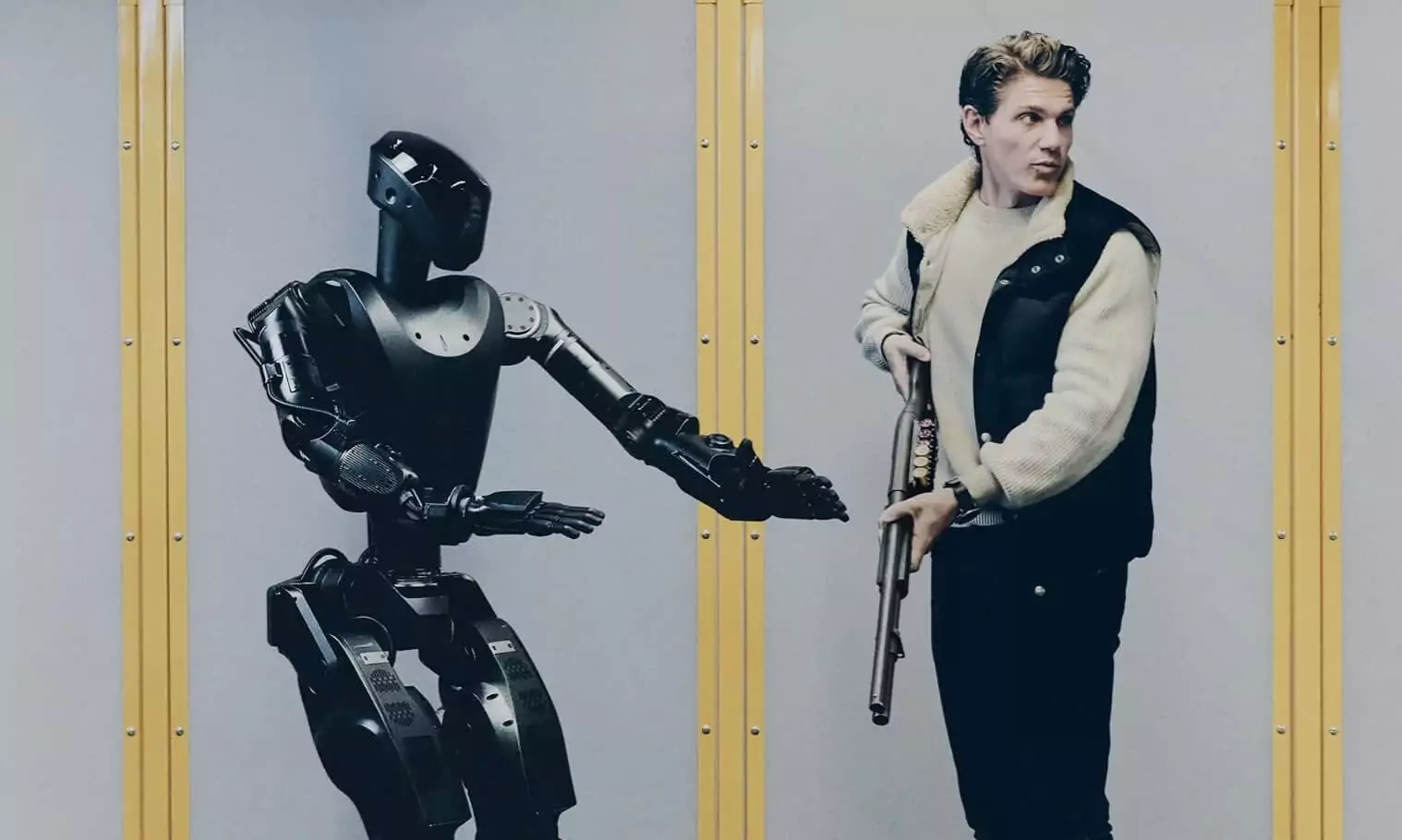
The only humanoid robot previously tested in Ukrainian combat, the Phantom MK-1, demonstrated significant limitations in operational capacity — the Brave1 cluster noted.
Ukraine has become the first nation to fund combat humanoid robot development as a distinct defense category, despite its current battlefields primarily favoring simpler, wheeled, and tracked robotic systems, reports indicated.
The Brave1 defense cluster initiated a grant competition for developing domestic bipedal humanoid robots specifically designed for military tasks. This decision establishes a doctrinal precedent for other armed forces globally, regardless of the immediate deployment of the first grant recipients.
Brave1 CEO Andrii Hrytseniuk framed the move as a strategic response to accelerating global trends in humanoid robotics. He cited rapid developments in China and the United States, adding that such robots could significantly enhance military capabilities.
Despite this forward-looking investment, current Ukrainian military operations largely depend on ground robots with wheels, tracks, or four legs. These configurations have proven effective due to their simplicity, lower cost, and ability for quick replacement in dynamic combat environments, military reports indicated.
The Phantom MK-1, the sole humanoid robot previously tested in Ukrainian combat conditions, revealed several limitations. These included low payload capacity, an absence of water protection, limited autonomous operation time, and high technical complexity, the Brave1 cluster noted.
Why Is Ukraine Investing in Humanoid Robots?
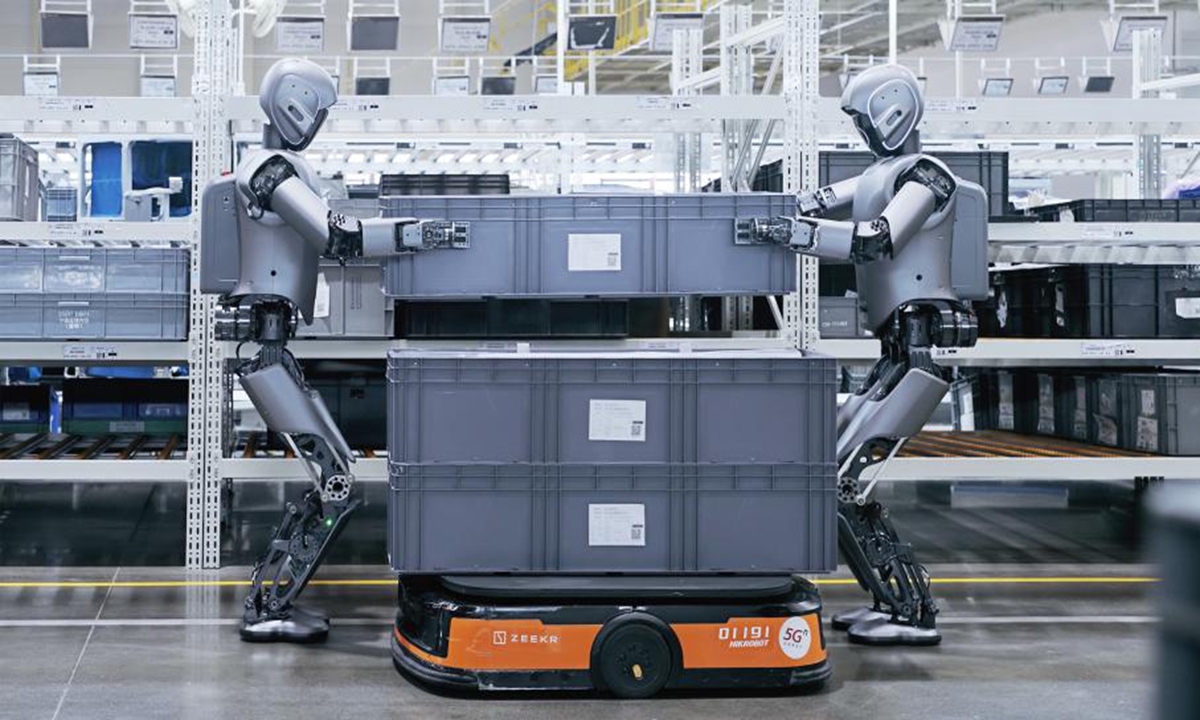
Humanoid robots offer a theoretical advantage in operating within environments designed for humans. This includes capabilities such as ascending stairs, navigating narrow corridors, functioning inside buildings, and interacting with existing equipment without extensive infrastructure modification, Brave1 explained.
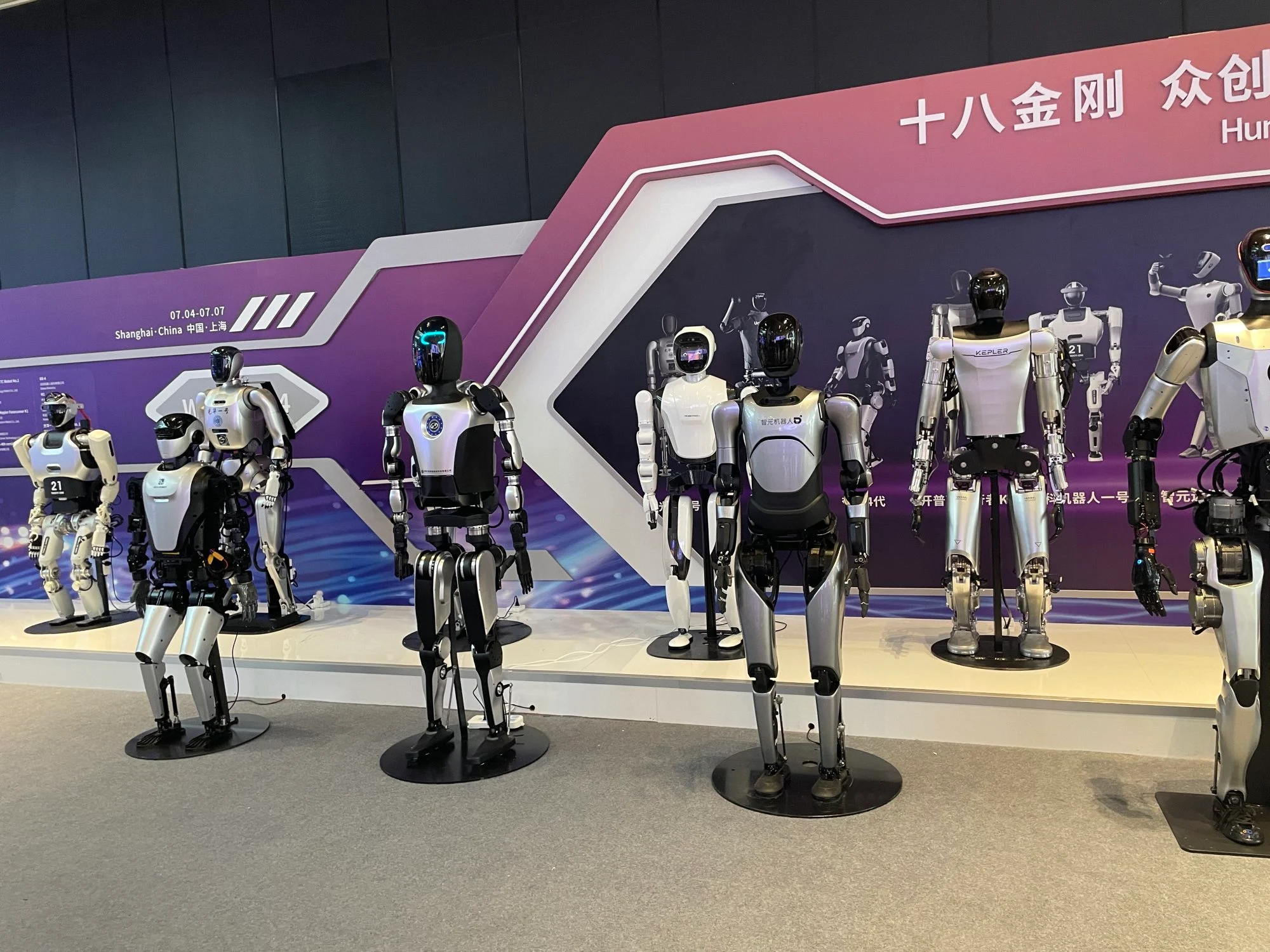
This potential makes humanoids attractive for urban warfare scenarios, reconnaissance in complex structures, or logistical support in areas inaccessible to wheeled or tracked systems. Global commercial advancements in humanoid robotics, such as those by companies like Boston Dynamics and Tesla, have demonstrated increasing dexterity and navigation capabilities.
The Brave1 grant reflects a phased development approach, allowing developers to start with simpler platforms. These initial systems can then be progressively improved and expanded with new functions, detailing a strategy that has successfully guided the development of FPV drones and other military technologies, the cluster detailed.
This iterative methodology aims to mitigate the high risks associated with developing advanced robotics for combat. By focusing on modularity and continuous improvement, Ukraine seeks to develop robust systems that can adapt to evolving battlefield requirements.
What Are the Battlefield Challenges for Humanoids?
Operating on a battlefield presents distinct and severe challenges for bipedal robots that differ significantly from controlled factory floors. They must traverse mud, rubble, shell craters, and endure blast effects, demanding extreme robustness and sophisticated balance systems.
Current ground robots performing missions in Ukraine succeed because of their design simplicity and resilience. Wheeled and tracked platforms offer stability, payload capacity, and energy efficiency superior to bipedal systems on uneven terrain.
Ground robots also face a more demanding communication environment compared to aerial drones, Defense Ministry adviser Serhii Beskrestnov stated in May 2026. Terrain features, urban infrastructure, and tree lines frequently interfere with control signals, posing significant operational hurdles, he added.
This pervasive connectivity constraint, which already limits wheeled and tracked robots, would apply with even greater severity to a bipedal system. A humanoid robot would need to maintain balance and navigational stability while simultaneously processing and reacting to intermittent or lost control signals.
Ukraine's Defense Forces acquired 1,028 ground robotic complexes, valued at 487 million UAH ($11.7 million), through the DOT-Chain Defense marketplace by mid-2026, military reports indicated.
Furthermore, the operational environment dictates that military humanoids must withstand impacts, dirt, radio interference, extreme temperatures, and enemy attacks. The ability to perform repairs directly in field conditions is crucial for their sustained viability, military specifications detailed.
In the first half of 2026 alone, Ukraine's Defense Ministry codified 67 new ground robot models for military use, none of which were bipedal, official data showed.
In a notable development, Ukrainian forces successfully captured a Russian position for the first time in April 2026 using only drones and ground robots. This operation underscored the immediate effectiveness of currently deployed uncrewed systems, military reports confirmed.
What Could Be Next for Combat Humanoids?
The Brave1 grant initiative does not commit Ukraine to the near-term deployment of humanoid robots on the front lines. Instead, it commits the state to funding domestic developers who will attempt to build systems for a battlefield where current, simpler designs dominate, Brave1 representatives clarified.
This proactive investment into a nascent military technology represents a strategic long-term vision. It positions Ukraine at the forefront of exploring potential future defense capabilities, potentially influencing the direction of global military robotics research and development.
The initiative could prompt other nations, particularly those with advanced robotics industries, to explore similar dedicated funding for bipedal systems. This could accelerate a global race in developing highly dexterous, semi-autonomous or autonomous combat humanoids capable of operating in complex human-centric environments.
Future iterations of combat humanoids will likely integrate advanced artificial intelligence for decision-making, navigation, and human-robot teaming. The evolution of these systems will depend heavily on overcoming the fundamental engineering and operational challenges posed by unpredictable combat zones, while proving their cost-effectiveness against faster, cheaper, and more replaceable alternatives.
Frequently asked questions
What is Ukraine doing with combat humanoid robots?
Ukraine's Brave1 defense cluster has launched the first state-funded program globally to categorize and fund the development of combat humanoid robots, opening a grant competition for domestic bipedal military systems. This initiative aims to explore their potential despite current battlefield limitations.
Why is Ukraine investing in humanoid robots despite current challenges?
Brave1 CEO Andrii Hrytseniuk states it's a strategic response to global trends in humanoid development, believing such robots can strengthen military capabilities. The program starts with simpler platforms to iterate and improve over time, acknowledging current limitations.
What are the limitations of humanoid robots in Ukraine's battlefield?
The Phantom MK-1, the only humanoid tested so far, showed limitations like low payload, no water protection, short autonomous time, and high complexity. Bipedal robots struggle with unpredictable terrain like mud and rubble, and communication interference, unlike wheeled or tracked systems.
What types of ground robots are currently successful in Ukraine?
Ukraine's battlefield operations primarily rely on wheeled, tracked, and four-legged ground robotic systems. These configurations succeed due to their simplicity, lower cost, and quick replacement ability in harsh combat environments.
What is Brave1 and its role in Ukraine's defense?
Brave1 is Ukraine's defense cluster that supports the development of military technologies. It applies a staged development approach, moving systems from experimental development to practical battlefield application through rapid testing and feedback, now including bipedal humanoids.
Will Ukraine deploy humanoid robots soon?
The Brave1 grant does not commit Ukraine to near-term deployment of humanoid robots. It primarily commits the state to funding domestic developers who will attempt to build these systems, allowing them to earn their place against currently dominant, more practical robotic competitors.