Venture capital fuels humanoid robot integration, moving them from factories to human environments. The challenge: ensuring safe operation.
The quest to integrate humanoid robots safely into human environments is accelerating, fueled by hundreds of millions of dollars in investment. Venture capital has poured significant amounts into humanoid robotics companies in the last year alone, signaling a profound shift from controlled industrial settings to dynamic human workspaces. The significant challenge lies in ensuring these machines, which can weigh a considerable amount and move at high speeds, do not pose a danger to their human counterparts.
The imperative for safety is stark when considering the physical capabilities of these advanced robots. A humanoid robot can generate significant forces, a figure that far exceeds the human pain threshold. This inherent strength necessitates a sophisticated approach to design, software, and operational protocols to prevent injuries in shared spaces.
What are the primary safety challenges for humanoid robots?
Integrating humanoid robots into human-centric environments presents a multifaceted safety challenge. Unlike traditional industrial robots, which operate within cages or highly structured, predictable zones, humanoids are envisioned for unstructured spaces like warehouses, factories, and even public areas. This shift introduces unpredictability, demanding robots that can anticipate human movement, react to unexpected contact, and maintain stability in dynamic surroundings.
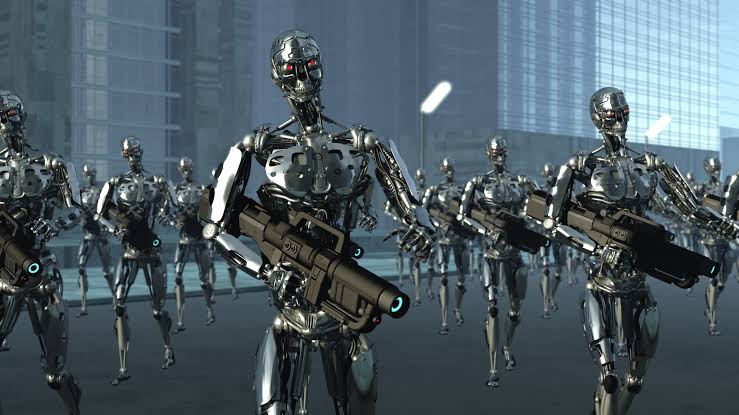
A major concern is the potential for falls, both by the robot itself and by humans interacting with it. A fall from a bipedal robot weighing a considerable amount could result in severe injury. Ensuring robust balance control, even when subjected to external disturbances, is a critical engineering hurdle. Furthermore, the reliability of a robot's software and its decision-making processes in real-time, high-stakes situations remains a complex area of development, with any flaw potentially leading to dangerous outcomes.
Human-robot interaction also introduces ergonomic challenges. Robots must be designed not only to avoid direct harm but also to prevent repetitive strain injuries or awkward movements for human co-workers. This requires a deep understanding of human biomechanics and task flows to create seamless and safe collaborative workflows.
How are companies addressing these safety risks?
Developers are employing a range of innovative strategies to mitigate the inherent risks of humanoid robots. One promising avenue involves the use of "soft" robotics and impact-absorbing materials in the robot's exterior, designed to cushion accidental contact and reduce the force transmitted during a collision. This approach aims to make the physical interaction inherently less hazardous, much like modern car bumpers are designed to absorb impact.
Advanced sensor arrays are also fundamental to safety. Lidar, radar, cameras, and force sensors provide the robot with a comprehensive real-time understanding of its surroundings, including the presence and movement of humans. This data feeds into sophisticated artificial intelligence algorithms that enable predictive behavior, collision avoidance, and dynamic path planning. The goal is for robots to not just react to imminent contact but to anticipate and prevent it before it occurs.
Software reliability is being tackled through rigorous testing, simulation environments, and redundancy in critical systems. Machine learning models, particularly those leveraging reinforcement learning, are being trained on vast datasets of human movement and interaction scenarios to develop more nuanced and safer responses. The development of robust fail-safe mechanisms is also paramount, ensuring that robots can gracefully shut down or enter a safe state in the event of a system malfunction.
What market context and implications drive this push?
The burgeoning interest in humanoid robots is not purely technological; it is deeply rooted in significant market forces and economic imperatives, particularly within the United States. Persistent labor shortages across various sectors, from manufacturing to logistics, are creating an urgent demand for automated solutions that can perform tasks traditionally handled by humans. The aging workforce in many developed nations further exacerbates this gap, making humanoid robots an attractive long-term solution.
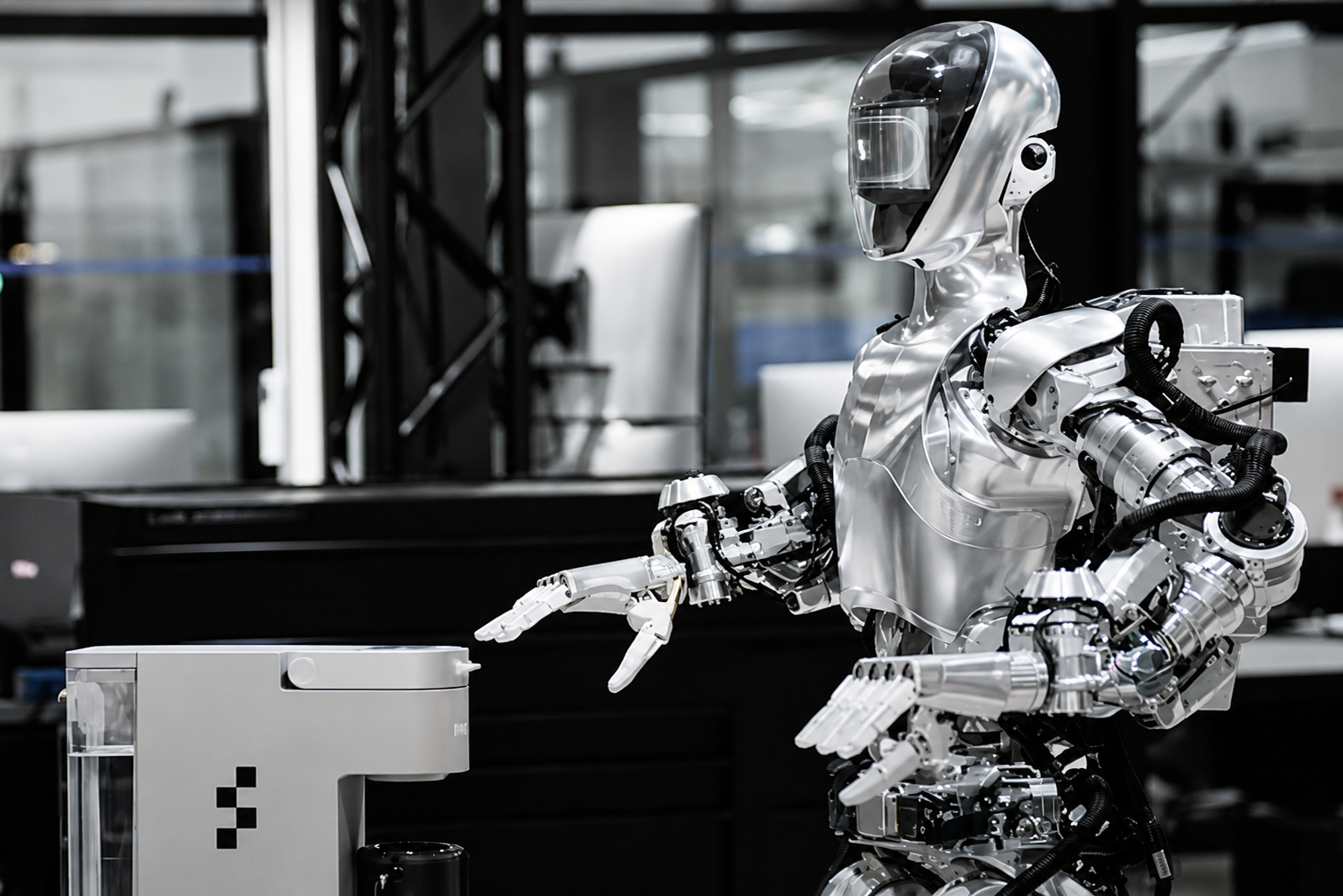
Investment figures underscore this market confidence. Companies like Figure AI have recently secured substantial funding, with significant funding rounds at notable valuations, attracting major investors including Microsoft, Amazon, and Nvidia. This capital injection is accelerating research and development, pushing prototypes towards commercial deployment at an unprecedented pace. The vision is to deploy humanoids in tasks ranging from repetitive factory work to hazardous inspections, freeing up human workers for more complex or creative roles.
Humanoid robotics companies have attracted significant amounts of venture capital in the past year, reflecting strong market confidence in their potential to address labor shortages and revolutionize industries.
The massive venture capital landgrab pouring into humanoid robotics—underscored by Figure AI's staggering $39 billion valuation—signals a tectonic shift from deterministic factory arms to probabilistic, AI-driven embodied intelligence. However, as these heavy bipedal machines step out of Plexiglas cages into unstructured human environments, the investment thesis is colliding with absolute physical constraints. Unlike digital AI agents, a falling 200-pound humanoid presents a first-order liability and crushing kinetic hazard. The true market bottleneck is no longer just multi-modal dexterity or visual language models; it is the functional safety engineering at the chip and sensor level. For climate-tech and deep-tech VCs, the next valuation unlock will not go to the flashiest bipedal hardware, but to startups pioneering the fault-tolerant edge-software, responsive smart-inverters, and physical fail-safes required to prevent catastrophic kinetic errors in shared workspaces.
The economic implications extend beyond simply filling labor gaps. Widespread adoption of humanoid robots could significantly enhance productivity, reduce operational costs, and even contribute to the reshoring of manufacturing industries to the United States. By automating tasks that are difficult, dangerous, or undesirable for human workers, companies can improve efficiency and competitiveness on a global scale. This transformation is not without its own set of challenges, particularly regarding the future of employment and the need for workforce retraining.
How do related developments and trends shape the future of humanoids?
The advancement of humanoid robotics is inextricably linked to several converging technological trends, most notably in artificial intelligence. The rapid progress in large language models (LLMs) and advanced machine learning techniques is providing robots with unprecedented cognitive abilities. These AI models enable humanoids to understand complex natural language commands, interpret human intentions, and adapt their behavior in real-time, moving beyond rigid pre-programmed movements.
The trend of robots moving from isolated industrial cells to dynamic, human-occupied environments represents a significant paradigm shift. This "last mile" problem of robotics, once considered a distant future, is now actively being tackled by companies like Agility Robotics with its Digit model and Boston Dynamics with its Atlas. Their progress in bipedal locomotion, manipulation, and perception in complex environments demonstrates the accelerating pace of innovation in physical robotics.
Furthermore, the development of robust, high-performance battery technologies and more energy-efficient actuators is extending the operational endurance and capabilities of these robots. This allows for longer shifts and broader application areas, making them more practical for commercial deployment. The cross-pollination of sensor technologies from autonomous vehicles, such as advanced lidar and camera systems, is also directly benefiting humanoid development, enhancing their spatial awareness and navigation capabilities.
What does the future hold for humanoid robot safety?
The path to widespread humanoid robot integration is paved with ongoing safety challenges and regulatory considerations. Currently, the Occupational Safety and Health Administration (OSHA) sets general safety guidelines for workplaces, but specific standards tailored to highly mobile, intelligent humanoid robots operating alongside humans are still evolving. Industry bodies like ASTM International and ISO are working on developing more precise standards for human-robot collaboration, focusing on risk assessment, safety-related control systems, and safe clearances.
My read is that the sheer pace of technological advancement in humanoid robotics demands a proactive and collaborative approach to safety and ethics. Waiting for incidents to occur before implementing regulations would be a grave mistake. Instead, governments, industry, and academia must collaborate to establish clear safety protocols, certification processes, and ethical frameworks that guide the design, deployment, and operation of these machines. This includes addressing questions of accountability in the event of an accident and the broader societal impact on employment and human dignity.
The integration of humanoid robots into daily life appears inevitable, driven by economic necessity and technological progress. The critical determinant of their success will not just be their capabilities, but their demonstrated ability to operate safely, predictably, and harmoniously within human society. This requires not only engineering prowess but also a deep commitment to ethical design and a regulatory landscape that can keep pace with innovation, ensuring that the robots of tomorrow are not just intelligent, but also inherently safe.
Frequently asked questions
How much venture capital is being invested in humanoid robots?
Hundreds of millions of dollars have been invested in humanoid robotics companies in the last year alone, signaling a significant acceleration in their development and integration.
What is the main challenge of integrating humanoid robots?
The primary challenge is ensuring these machines can operate safely and reliably within dynamic human environments, moving beyond controlled industrial settings.
Where are humanoid robots currently being used?
Currently, humanoid robots are primarily used in controlled industrial settings, but significant investment aims to shift them into dynamic human workspaces.
What is driving the acceleration of humanoid robot development?
Significant venture capital investment, totaling hundreds of millions of dollars, is a major driver behind the accelerated development and integration of humanoid robots.
What is the future outlook for humanoid robots in human environments?
The future involves a profound shift from industrial settings to widespread integration into dynamic human workspaces, with a strong focus on safety and ethical considerations.
Why is safe integration of humanoid robots important?
Safe integration is paramount to ensure these machines can coexist harmoniously and effectively with humans without posing risks, especially as they move into diverse environments.