DGIST proposes 'Sustainability Robotics,' shifting focus from robot performance to environmental, social, and economic contributions for a sustainable future.
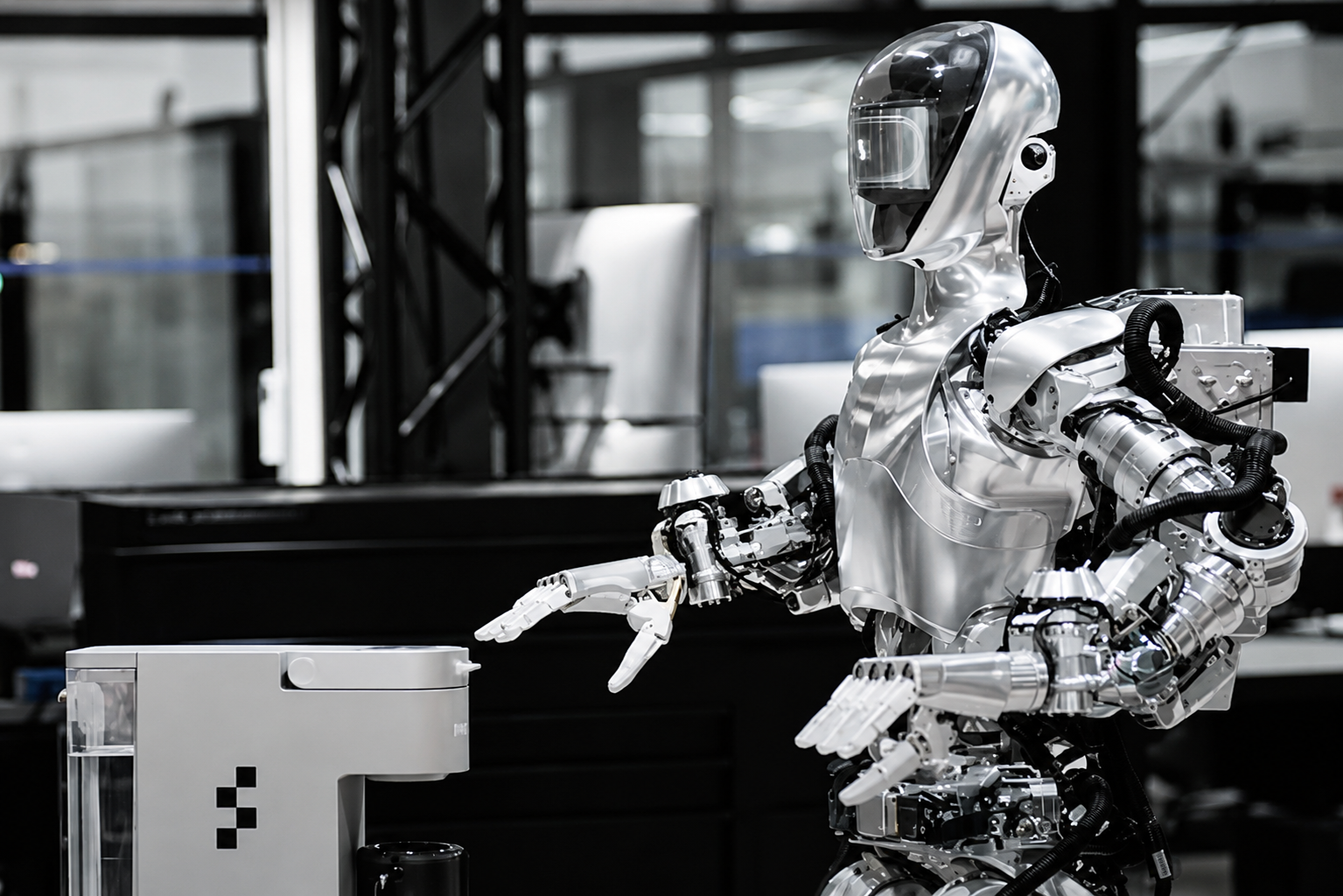
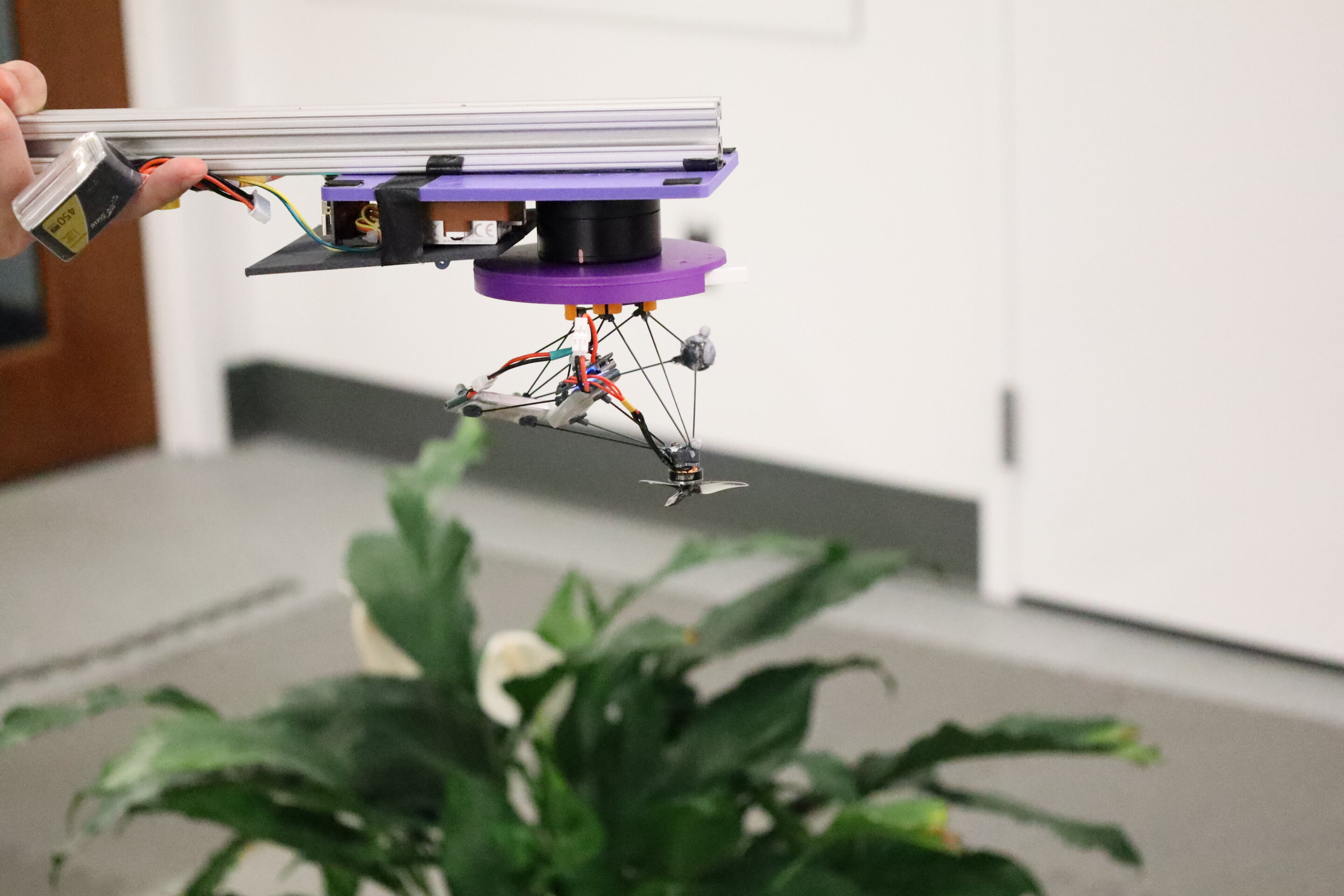
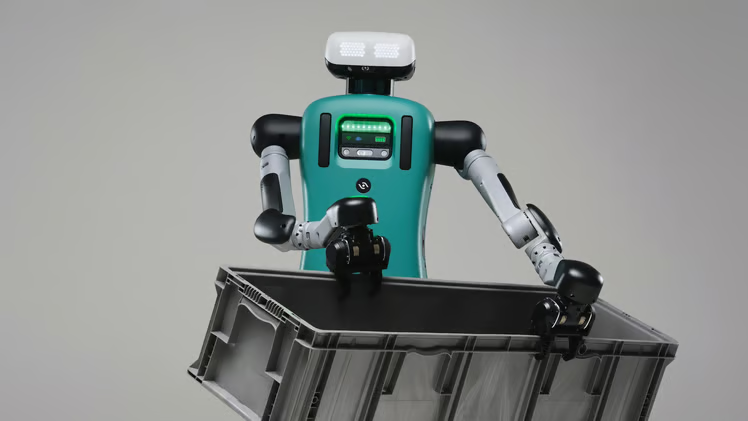
Robotics research is undergoing a profound paradigm shift, with a new academic field emerging that prioritizes environmental, social, and economic contributions over sheer technical performance, a development poised to reshape investment theses across the automation sector. Researchers at the Daegu Gyeongbuk Institute of Science and Technology (DGIST) have proposed "Sustainability Robotics," moving beyond traditional metrics to evaluate a robot's broader impact on the planet and society, a re-evaluation that could redirect significant capital within the burgeoning automation market. The manifesto, spearheaded by Professor Sukho Song of DGIST's Department of Robotics and Mechatronics Engineering, was formally unveiled in the peer-reviewed journal *Nature Machine Intelligence*. This intellectual framework challenges the conventional focus on speed, power, and efficiency, urging developers and investors to instead consider the long-term ecological and societal footprint of autonomous systems. The initiative signals a maturation of the robotics industry, where financial stakeholders are increasingly demanding tangible, measurable contributions to global sustainability goals. This novel approach extends significantly beyond conventional "Green Robotics," which primarily concentrated on mitigating a robot's direct environmental impact through design choices like biodegradable materials or reduced energy consumption. Sustainability Robotics, in contrast, champions robots as direct agents of positive change, envisioning roles in critical areas such as environmental monitoring, ecosystem restoration, disaster recovery, and the provision of equitable healthcare services. This proactive stance could unlock new revenue streams and attract impact-driven capital.
How Does 'Sustainability Robotics' Redefine Value?
The introduction of Sustainability Robotics fundamentally redefines the metrics by which robotic innovation is judged, forcing a re-evaluation of what constitutes a valuable technological advancement. Traditionally, venture capital and corporate R&D budgets have flowed towards solutions demonstrating superior operational performance or cost reduction. This new framework introduces a layer of ethical and environmental accountability, suggesting that a robot's true value is intrinsically linked to its holistic contribution to a sustainable future, not merely its processing power or task completion rate. This shift aligns with the broader global trend of ESG (Environmental, Social, and Governance) investing, where asset managers are increasingly allocating capital based on a company's sustainability credentials. Robotics firms that can articulate a clear pathway to fulfilling the principles of Sustainability Robotics may find themselves at a distinct advantage in attracting funding and market share. The emphasis on societal benefit and ecological preservation will likely bifurcate the market, rewarding those innovators who integrate these principles from conception. Professor Song emphasized that the core tenet of this new field is not to "build faster and more powerful robots," but rather to deploy robots in "places where they are needed most and benefit both people and nature." This statement underscores a philosophical pivot from a purely utilitarian view of robotics to one that integrates systemic, long-term impact analysis into the design and deployment cycle. Companies failing to adapt to this evolving narrative risk obsolescence in an increasingly sustainability-conscious market.
The Genesis of a New Paradigm in Automation
The genesis of Sustainability Robotics reflects a growing global awareness of the intersection between technological advancement and planetary well-being. As robotics and physical AI systems proliferate, so too do concerns regarding their resource consumption, waste generation, and potential social displacement. The academic proposal serves as a direct response to these intensifying environmental and social issues, including climate change, biodiversity loss, and resource depletion, urging the industry to recalibrate its foundational objectives. The framework outlines three core principles for future robots: "Minimally Invasive," which mandates minimizing impact on ecosystems and society; "Universally Accessible," advocating for deployment regardless of income or location; and "Symbiotic," which champions positive relationships among humans, the environment, and the economy. The "Symbiotic" principle carries particular weight, demanding an evaluation of robots not just on performance, but on their net environmental and social contributions or costs. This requires looking beyond what robots can do to consider who truly benefits and what environmental or societal costs are incurred. This academic initiative also mirrors broader regulatory shifts and consumer demands for more responsible technological development. Governments worldwide are beginning to scrutinize the life-cycle impact of advanced technologies, while consumers are increasingly favoring brands that demonstrate genuine commitment to sustainability. Robotics companies, therefore, face mounting pressure to innovate not just for profit, but for purpose, integrating these principles into their core business models to maintain social license to operate.
What Challenges Lie Ahead for Sustainable Automation?
The transition to a Sustainability Robotics paradigm presents significant challenges for incumbents and startups alike, demanding a retooling of research methodologies, supply chains, and manufacturing processes. Developing "minimally invasive" and "universally accessible" robots often entails higher upfront R&D costs, the sourcing of sustainable materials, and the integration of complex ethical considerations into design. Furthermore, the robust measurement and reporting of "symbiotic" impacts will require new analytical frameworks and industry standards, potentially increasing compliance burdens. The investment community will need to develop sophisticated metrics to accurately assess and value the sustainability contributions of robotics firms. This could lead to the emergence of specialized funds and indexes focused on sustainable automation, rewarding companies that demonstrate verifiable positive impact. The early adopters of these principles stand to gain a competitive edge, not only in attracting capital but also in securing talent motivated by purpose-driven innovation. The coming years will be critical in observing the practical adoption of these principles within the robotics industry. Key indicators to watch include the integration of Sustainability Robotics curricula in engineering programs, the emergence of new industry standards and certifications for sustainable robotic solutions, and the capital allocation patterns of major venture capital firms and corporate investors. The development of impact assessment tools and regulatory frameworks will also be crucial in shaping the trajectory of this transformative field.
Frequently asked questions
What is Sustainability Robotics?
Sustainability Robotics is a new academic field proposed by Professor Sukho Song of DGIST. It evaluates robots based on their contributions to environmental, social, and economic sustainability, beyond just technical performance.
Who proposed the concept of Sustainability Robotics?
Professor Sukho Song from the Department of Robotics and Mechatronics Engineering at Daegu Gyeongbuk Institute of Science and Technology (DGIST) proposed the field. The manifesto was published in Nature Machine Intelligence.
What are the three core principles of Sustainability Robotics?
The three core principles are 'Minimally Invasive' (minimizing impact on ecosystems and society), 'Universally Accessible' (deployable anywhere needed), and 'Symbiotic' (fostering positive relationships among humans, environment, and economy).
How does Sustainability Robotics differ from Conventional Green Robotics?
Conventional Green Robotics focuses on reducing robots' environmental impact through design (materials, energy). Sustainability Robotics goes further, enabling robots to actively address sustainability challenges like environmental monitoring and ecosystem restoration.
Why is 'Symbiotic' emphasized in Sustainability Robotics?
'Symbiotic' is emphasized because it shifts evaluation beyond performance to consider environmental and social impacts. Robots should contribute positively to ecosystems (e.g., coral reef restoration) rather than just performing tasks.
What is the new measure of success for robots in this field?
The new measure of success is not about building faster or more powerful robots, but about building robots that reach where they are most needed and benefit both people and nature, focusing on the relationships they establish with the world.