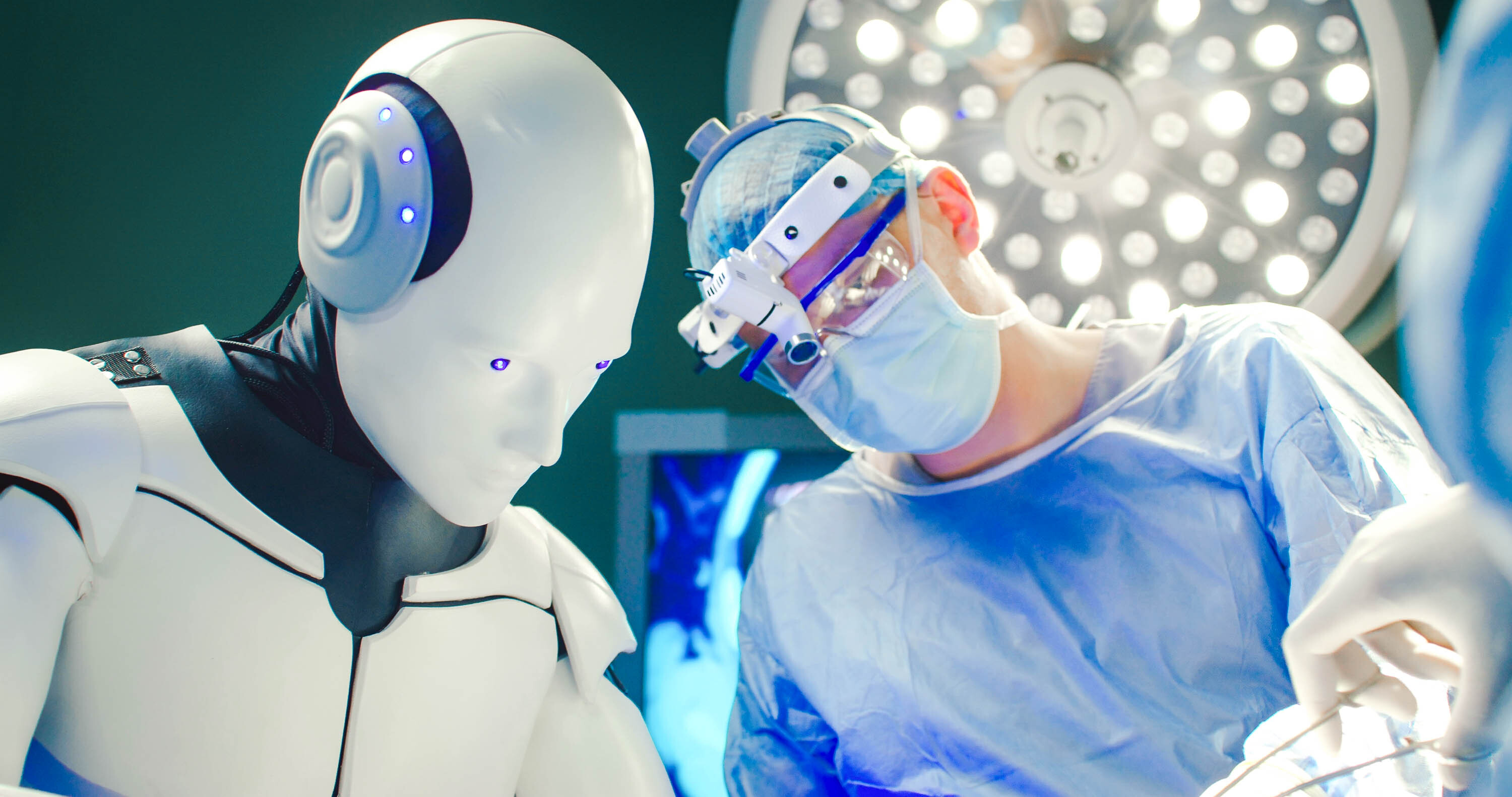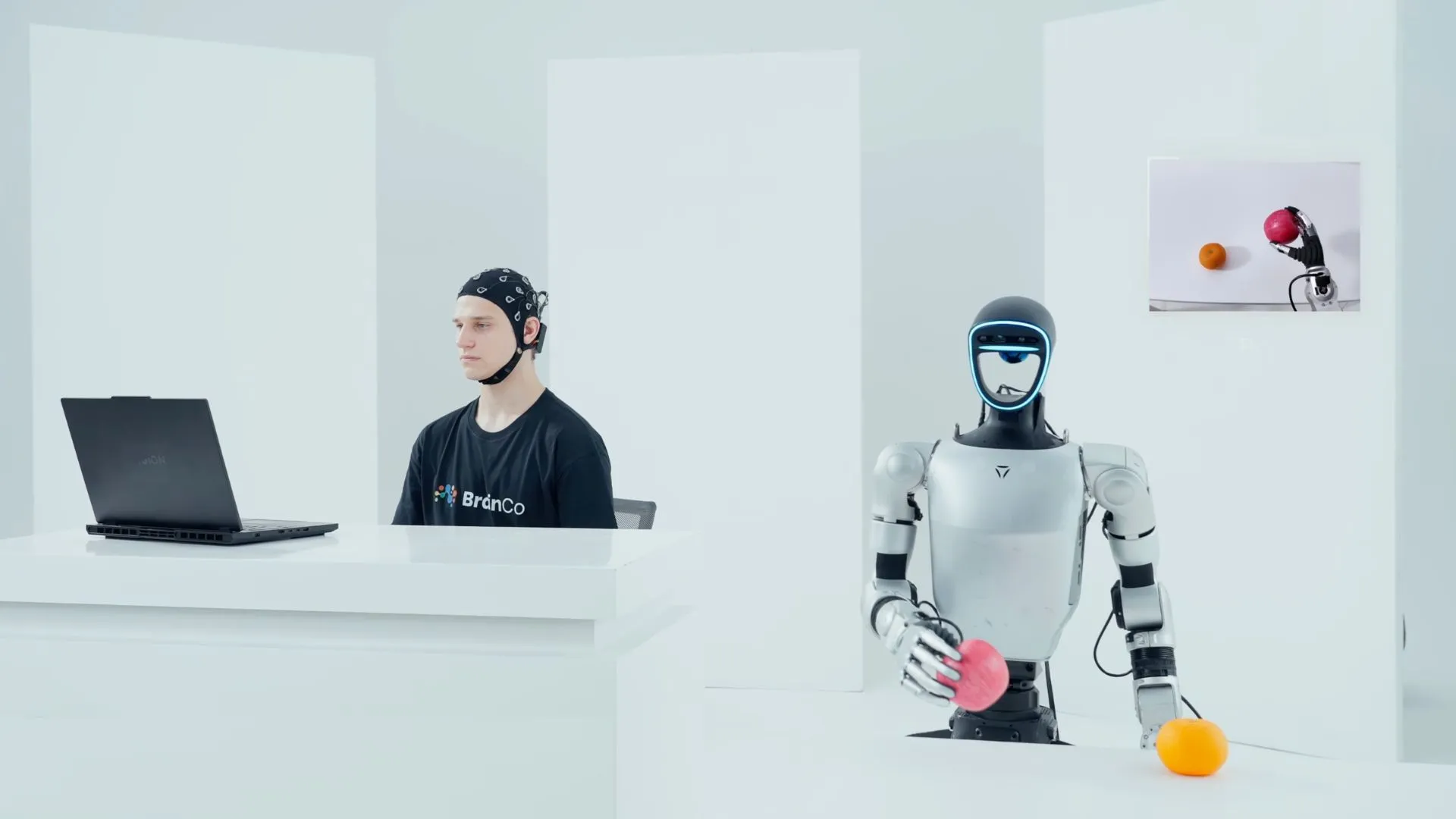
New BCI tech enables direct thought control over machines, intensifying global competition in advanced robotics and human augmentation.
China's New Brain-to-Robot Platform Accelerates Human-Machine Interface Race, Reshaping Industrial Automation Landscape
China has unveiled a significant advancement in brain-computer interface technology, introducing a platform that enables direct thought control over robotic systems, a development poised to intensify global competition in advanced robotics and human augmentation. This breakthrough could substantially accelerate the integration of cognitive commands into industrial automation and defense applications, potentially driving new investment into the BCI sector. The platform bypasses traditional input methods, offering a more intuitive and rapid command structure for complex machinery. The new system represents a critical step towards bridging the gap between human intent and machine execution, addressing the long-standing challenge of endowing robots with human-like understanding. By allowing operators to control machines with their thoughts, the technology aims to enhance precision and responsiveness in tasks ranging from manufacturing and logistics to hazardous environment exploration. This capability could unlock new efficiencies across sectors where human oversight combined with robotic dexterity is paramount. The strategic implications extend beyond purely technical prowess, signaling China's continued push for leadership in emerging technologies. This brain-to-robot platform builds on foundational research in neural interfaces and advanced AI, converging fields that are central to the next generation of industrial and military innovation. The development underscores a broader national strategy to dominate key technological domains through substantial state-backed research and development.
What are the immediate market implications?
The introduction of a viable brain-to-robot control platform is expected to spur significant market activity within the burgeoning human-machine interface and robotics sectors. Investors are likely to scrutinize companies positioned to integrate or leverage this direct neural control, anticipating a surge in demand for more sophisticated automation solutions. This technological leap could redefine operational paradigms in high-precision manufacturing, remote surgery, and specialized defense operations, driving up valuations for firms at the forefront of these applications. The dual-use nature of this technology, with clear applications in both civilian industries and military systems, suggests a complex market trajectory and potential geopolitical ramifications. Commercial sectors, particularly those requiring fine motor control or rapid decision-making in hazardous environments, stand to benefit from enhanced operational efficiency and safety. Simultaneously, the strategic advantage for defense applications could lead to increased global expenditure on advanced autonomous systems, creating new market segments and competitive pressures.
Significant Growth Expected
The global brain-computer interface (BCI) market is projected to grow substantially, driven by advancements in neurotechnology and growing demand for intuitive control systems across medical, consumer, and industrial applications.
What is the strategic context of this development?
China's unveiling of this brain-to-robot platform aligns with its ambitious national strategy to achieve global leadership in artificial intelligence and advanced manufacturing by the middle of the century. Initiatives like "Made in China 2025" have consistently prioritized indigenous innovation in robotics, AI, and biotechnology, recognizing these fields as crucial for economic growth and national security. This latest breakthrough positions China strongly in the ongoing international race for technological supremacy, particularly against the United States and European Union. Major global powers are heavily investing in brain-computer interface research, with the U.S. having significant projects through agencies like DARPA, alongside private ventures such as Neuralink. Europe is also fostering its own ecosystem of BCI startups and research institutions, aiming to establish ethical frameworks alongside technological progress. This Chinese development intensifies the global competition, potentially accelerating investment and research efforts in rival nations to maintain technological parity or gain an edge. The long-term implications for intellectual property and standard-setting in these critical technologies remain a significant area of focus for policymakers and industry leaders alike. The expansion of brain-to-robot capabilities also intersects with broader discussions about the future of work and human augmentation. As machines become more directly controllable by thought, questions arise about workforce displacement, the nature of human-machine collaboration, and the ethical boundaries of integrating biological and artificial systems. This technological trajectory is expected to necessitate new regulatory frameworks and societal dialogues, shaping how these powerful tools are developed and deployed responsibly.
What are the long-term societal and ethical considerations?
The long-term societal implications of thought-controlled robotics are profound, touching upon issues of autonomy, privacy, and accountability in an increasingly connected world. Direct neural interfaces raise questions about data security, particularly concerning sensitive brain activity, and the potential for misuse or unauthorized access to cognitive data. Establishing robust ethical guidelines and regulatory frameworks will be crucial as this technology moves closer to widespread adoption across various sectors. Beyond privacy, the augmentation of human capabilities through brain-to-robot platforms introduces complex ethical dilemmas regarding identity and what it means to be human. As individuals gain the ability to extend their will directly into machine operations, the lines between natural and artificial abilities may blur, prompting philosophical and societal re-evaluations. These considerations will likely shape public perception and acceptance, influencing the pace and direction of market penetration for advanced BCI technologies globally. The ongoing geopolitical rivalry over critical technologies ensures that developments like this will not only be viewed through an economic lens but also through the prism of national security. The potential for such platforms to enhance military capabilities, from drone control to advanced weaponry, underscores the urgent need for international dialogue on responsible innovation. The ethical debate surrounding autonomous weapons systems, for example, will gain new dimensions as direct thought control makes human intent an even more integral part of machine operation. The next few years will be critical for observing how this brain-to-robot platform evolves from a research breakthrough into commercially viable applications. Key triggers to watch include further announcements regarding specific industrial partnerships, the scale of investment flowing into related Chinese tech ventures, and any legislative responses from other global powers aimed at either fostering or regulating similar BCI developments. The pace of ethical framework development and international standardization will also significantly influence the broader market and societal adoption of this transformative technology.
Frequently asked questions
What is China's new brain-to-robot platform?
China has unveiled an advanced brain-computer interface (BCI) system that allows individuals to directly control robotic systems using their thoughts. This platform represents a significant leap in human-machine interaction technology.
How does the brain-to-robot platform work?
The platform uses brain-computer interface (BCI) technology to interpret neural signals from a human brain and translate them into commands for robotic systems. This enables direct thought control without physical input.
What are the implications of this technology?
This technology has profound implications for industrial automation, healthcare (prosthetics), and defense. It accelerates the race in human-machine interfaces and could reshape various industries globally.
Which country is leading in brain-computer interface technology?
China's recent unveiling of its brain-to-robot platform demonstrates its significant advancements in BCI, positioning it as a major competitor in the global race for neurotechnology.
Can humans control machines with their thoughts now?
Yes, with the development of advanced brain-computer interface (BCI) platforms like the one unveiled by China, humans can now control certain machines and robotic systems directly with their thoughts.
What is the future of human-machine interface?
The future of human-machine interface is moving towards direct neural control, where thought-powered systems will enable seamless interaction with technology, enhancing human capabilities and transforming industries.