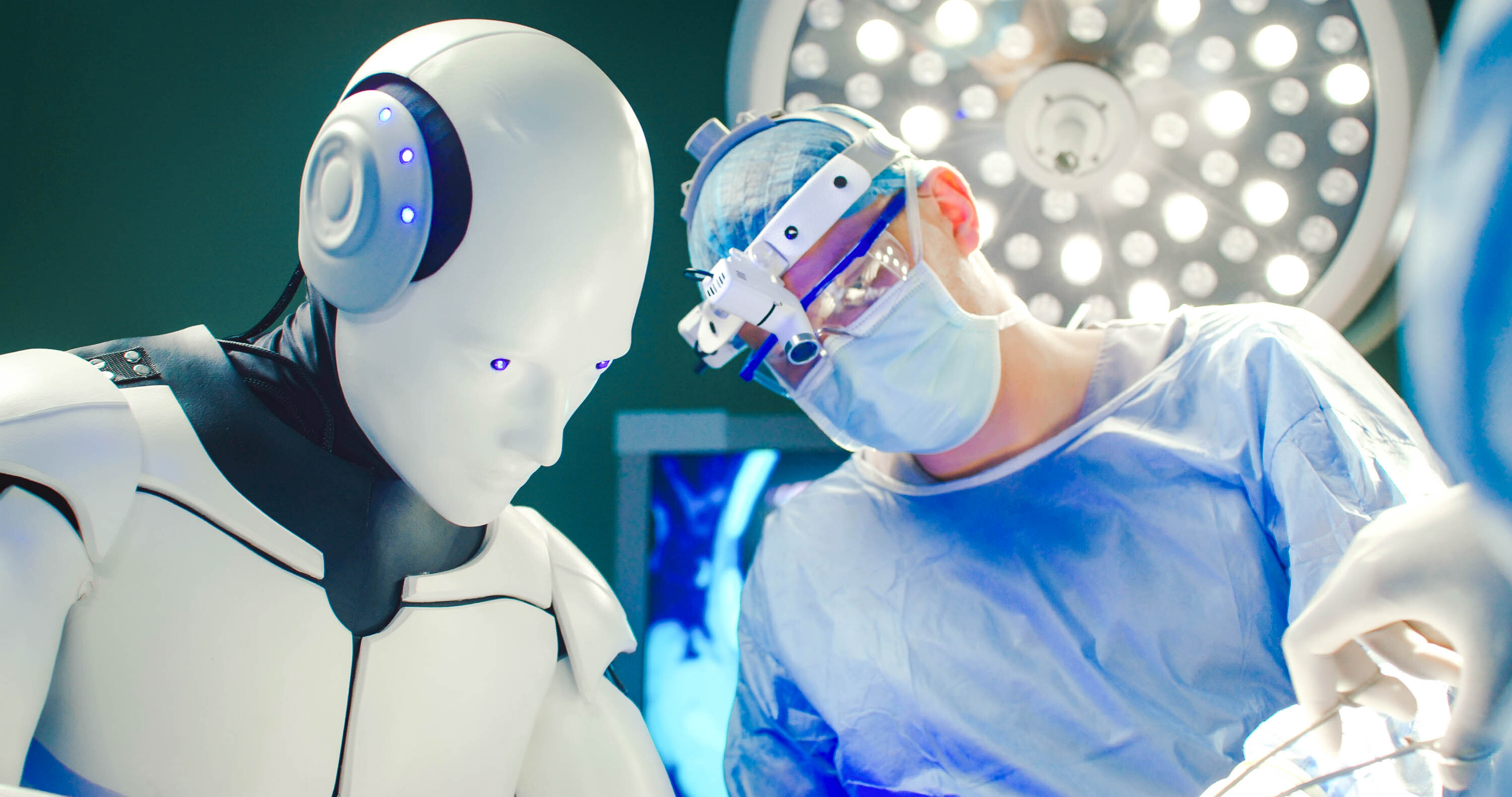
For the first time, remotely controlled humanoid robots have successfully performed surgeries, signaling a major shift in global healthcare delivery.
In a genuinely historic moment for medical technology and the broader innovation landscape, humanoid robots have successfully completed surgical procedures for the first time, marking a significant leap toward democratizing advanced healthcare. This isn't merely a scientific curiosity; it's a profound development that could reshape how surgical care is delivered globally, impacting millions of lives in underserved communities.
The breakthrough, detailed by a team from the University of California San Diego (UC San Diego) in the journal Nature, involved two teleoperated surgeries: gallbladder removals performed in large, non-primate mammals. One procedure saw a humanoid robot working alongside a human attendant, while the second was completed entirely by a pair of robots. This proof-of-concept preclinical trial, published on July 9, 2026, demonstrates a future where robots aren't just tools, but active, versatile participants in the operating room.
Here's why this matters beyond the immediate headline: existing robotically assisted surgical systems, while lifesaving, are often massive, weighing over 1,800 pounds, requiring specialized installation, and typically designed for a single type of procedure. They represent a significant capital expenditure and infrastructure commitment for any medical facility.
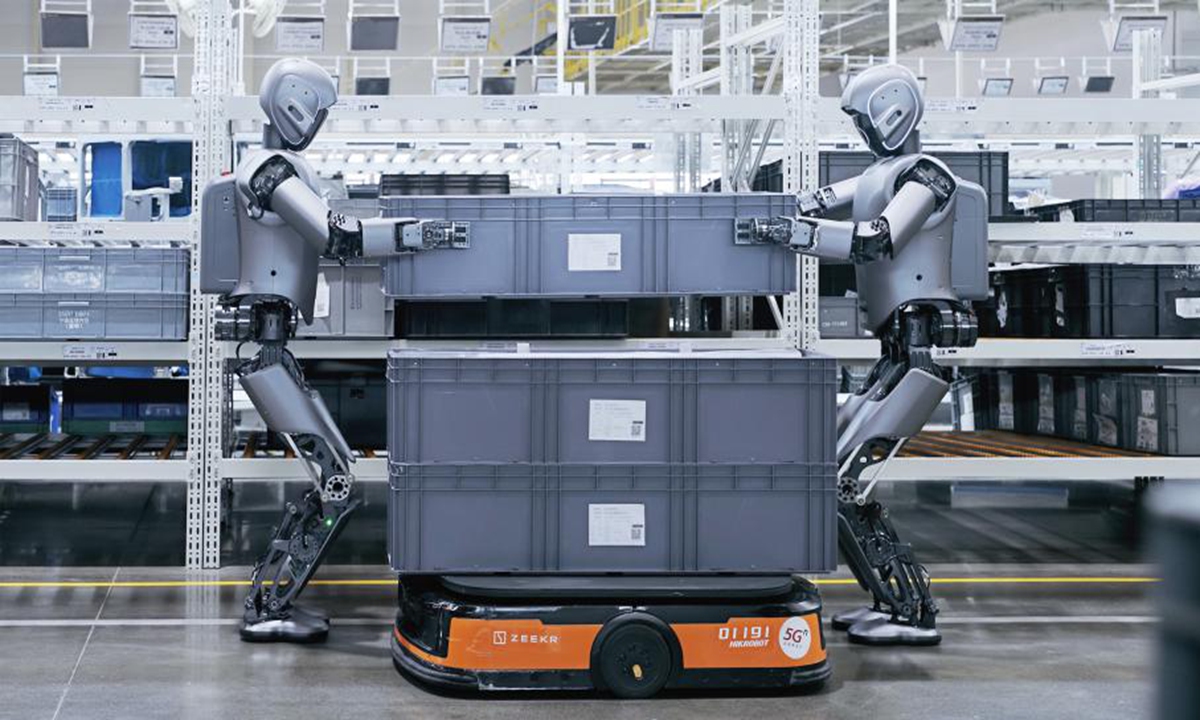
The UC San Diego team's "Surgie" bots, in stark contrast, are what their name implies: humanoid. Standing about five feet tall and weighing a mere 60 pounds, these robots are comparatively small, nimble, customizable, and dramatically more affordable. This shift from massive, specialized machines to agile, general-purpose humanoids opens up an entirely new paradigm for surgical care, particularly for regions currently lacking access.
The potential for these more adaptable and cost-effective robots to amplify access to critical surgeries is immense. As Michael Yip, an engineer at UC San Diego, pointed out, this innovation can help address the escalating healthcare crisis not just in the United States, but worldwide. It’s a vision of decentralized, high-quality care that has long been a dream in the global health sector, now moving closer to reality.
Why Humanoid Robots Could Disrupt Healthcare as We Know It
My read on this development is that it’s not just an incremental improvement; it’s a foundational shift that will profoundly impact the venture funding landscape and the strategic direction of medical technology startups. We've seen the rise of specialized surgical robotics, but the introduction of a truly general-purpose humanoid platform changes the game, opening up new market segments that were previously inaccessible due to cost and logistical hurdles.
Consider the economic implications: a fraction of the cost and a fraction of the space in an operating room means these "Surgies" can be deployed almost anywhere. From rural clinics desperately needing surgical capabilities to mobile field hospitals in conflict zones, and even potentially in space, the versatility is unparalleled. This democratizes high-precision surgery in a way that the current generation of bulky, specialized robots simply cannot.
This development sends a clear signal to the startup ecosystem: the future of medical robotics might not be in highly specialized, single-function machines, but in adaptable, multi-purpose platforms. Startups focused on developing more agile, AI-driven humanoid systems, or on creating the software and training protocols to enable their widespread deployment, are likely to see significant investment interest. It presents a direct challenge to established players who have built their empires on the current, more rigid model.
UC San Diego surgeon Shanglei Liu succinctly captured this sentiment, highlighting the ease of deployment "anywhere from rural areas, to the battlefield, and even to space." This vision isn't just about performing the surgery itself, but about building a flexible infrastructure for healthcare delivery that can respond to diverse and rapidly changing needs, especially in areas with limited resources or infrastructure.
What Happens Next for Surgical AI and Robotics?
While the initial teleoperated humanoid surgeries did encounter some issues—requiring recalibration multiple times and experiencing latency between the controller and the robot—researchers are confident in future improvements. They draw parallels to the early days of robotic laparoscopic surgery, which initially took six hours but now takes around 30 minutes with machine assistance. This trajectory of rapid improvement is typical in robotics and AI, and I expect similar accelerated progress here.
The team envisions a future where humanoid robots aren't just primary surgeons but also critical support staff. A "Surgie" could assist by grabbing tools, preparing equipment, or even cleaning up after a procedure. This vision of an integrated operating theater, where humanoid robots and humans work side by side as a cohesive team, is where the true long-term value lies.
This holistic approach to automation promises to alleviate staffing shortages, a persistent challenge in healthcare globally. By offloading routine or repetitive tasks to robots, human surgeons and nurses can focus on more complex decision-making and patient interaction, enhancing both efficiency and quality of care. It’s about augmentation, not replacement, creating a more resilient and scalable healthcare workforce.
The success of these initial trials is a powerful validation for the entire field of general-purpose robotics. It proves that humanoid forms are not just for industrial assembly lines or futuristic sci-fi; they are viable, disruptive platforms for highly sensitive applications like surgery. This will undoubtedly spur further innovation in robot dexterity, sensor integration, and artificial intelligence, pushing the boundaries of what these machines can achieve autonomously.
As an ecosystem insider, I see this as a clear signal for investors to look beyond traditional med-tech and into companies building the foundational AI and hardware for adaptable, multi-purpose humanoid robots. The market potential for these systems, not just in surgery but across countless other industries requiring precision and flexibility, is truly staggering. The operating room just became a launchpad for the next wave of disruptive innovation, and the implications for human health and technological advancement are profound.
Frequently asked questions
How are humanoid robots performing surgery a world first?
Humanoid robots successfully performed two teleoperated gallbladder removals in mammals for the first time. This marks a new era as specialized surgical machines typically handle these tasks, not general-purpose humanoid bots. It showcases their adaptability beyond single-purpose systems.
What are the advantages of using humanoid robots for surgery?
Humanoid robots like 'Surgie' are smaller, lighter, cheaper, more customizable, and less obtrusive than traditional surgical systems. They can be deployed to under-resourced areas, battlefields, or even space, significantly increasing access to critical surgeries.
Who developed the 'Surgie' humanoid surgical robots?
The 'Surgie' robots were developed and used in trials by engineers and surgeons at the University of California San Diego (UC San Diego), including Michael Yip, Nikita Thareja, and Shanglei Liu. Their work was detailed in a study published in the journal Nature.
What challenges did the first teleoperated humanoid surgeries face?
The initial surgeries required multiple recalibrations of the Surgie bots, slowing the process. Latency between the controller and the robot also needs improvement, though researchers are confident these issues will be resolved with technological advancements, similar to early laparoscopic robotics.
Could humanoid robots perform surgery completely autonomously in the future?
While the current procedures were teleoperated (remotely controlled by humans), researchers envision future humanoid robots acting as autonomous surgical assistants. The ultimate goal is an operating theater where humans and robots work side-by-side as an integrated team, enhancing efficiency and reach.
How could humanoid robots impact global healthcare access?
By being more affordable, portable, and customizable, humanoid robots have the potential to amplify access to critical surgeries in critically under-resourced communities worldwide. This could help address the global healthcare crisis by overcoming limitations of traditional, expensive, and large surgical systems that require specialized infrastructure.