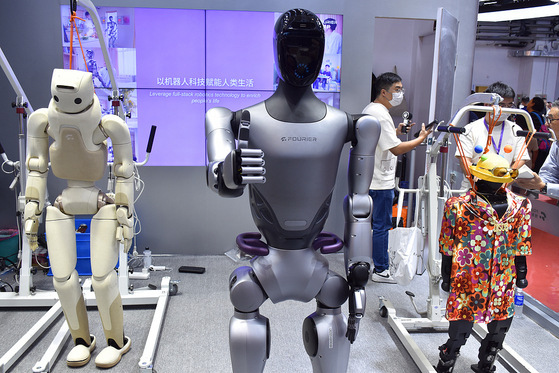
DRDO-led initiative targets Human-Machine Teaming, enhancing soldier safety and combat prowess in future frontline operations.
India's Silent Revolution: How the Army is Paving the Way for Humanoid Combat Partners by 2050
The Indian Army is charting a multi-phase roadmap to integrate humanoid robots into complex counter-terrorism and frontline combat operations by 2050, redefining modern warfare.
Spearheaded by DRDO, this initiative prioritizes Human-Machine Teaming, aiming to enhance soldier safety and tactical prowess through advanced bipedal platforms designed for India's challenging terrains.
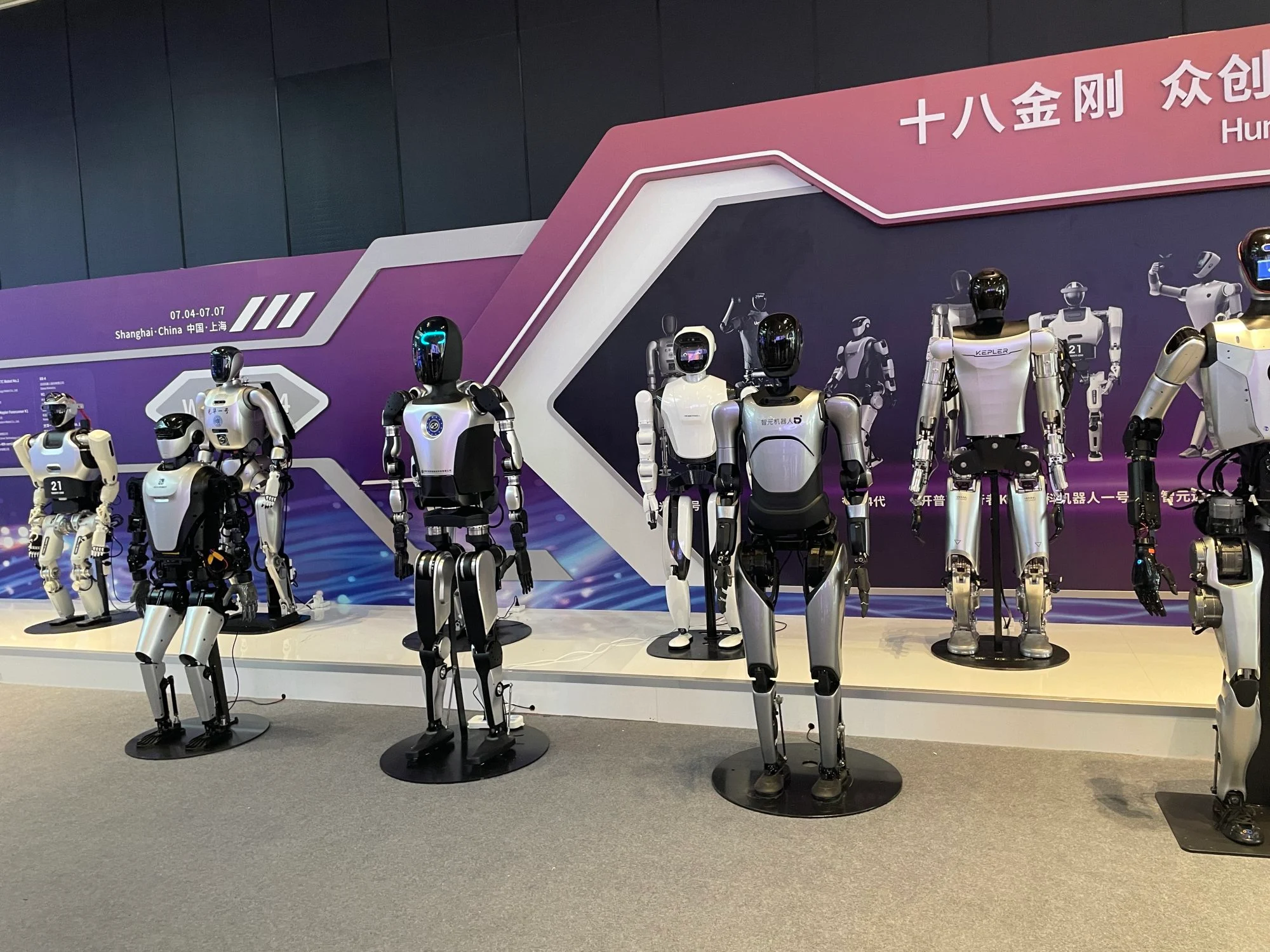
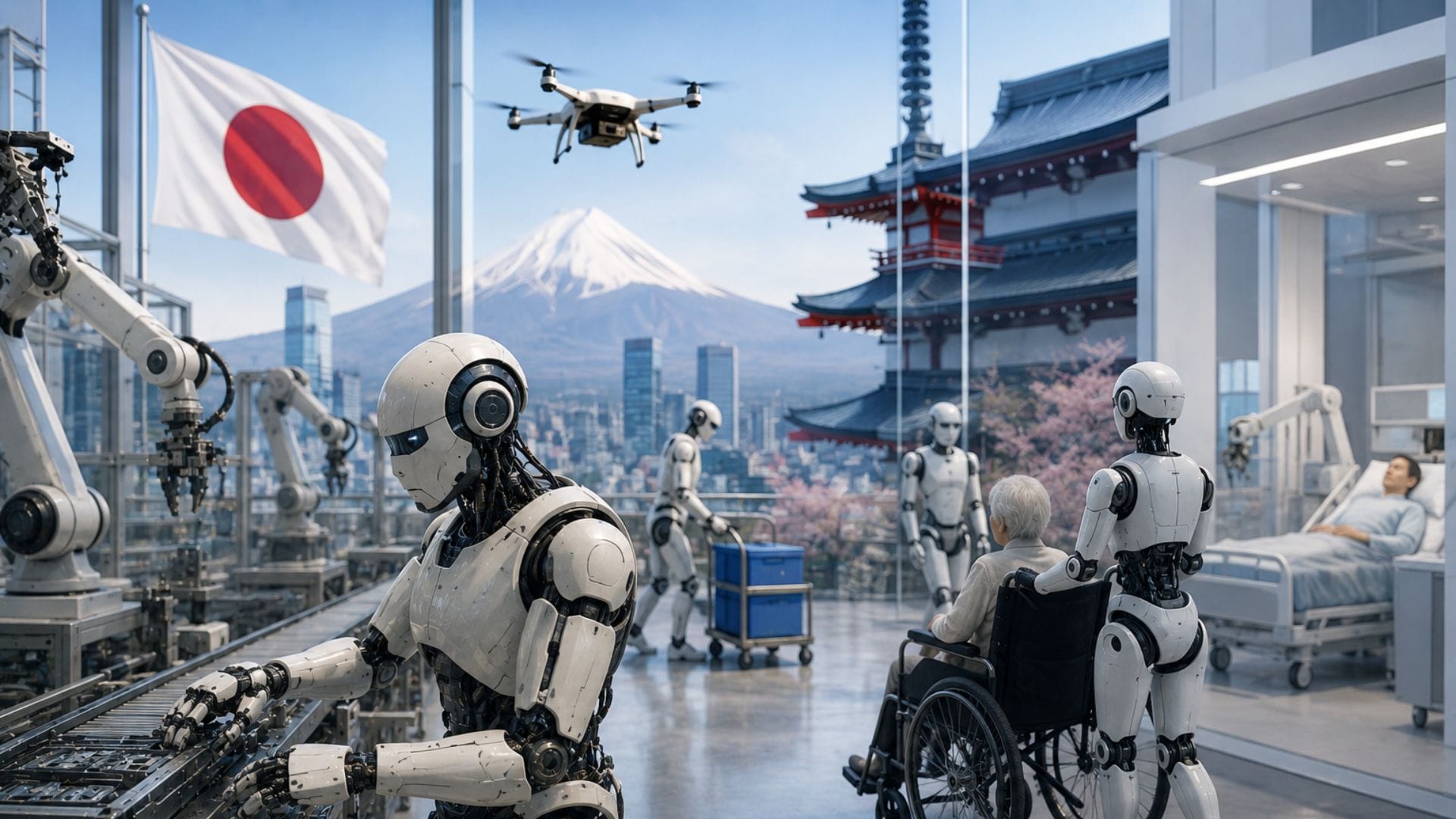
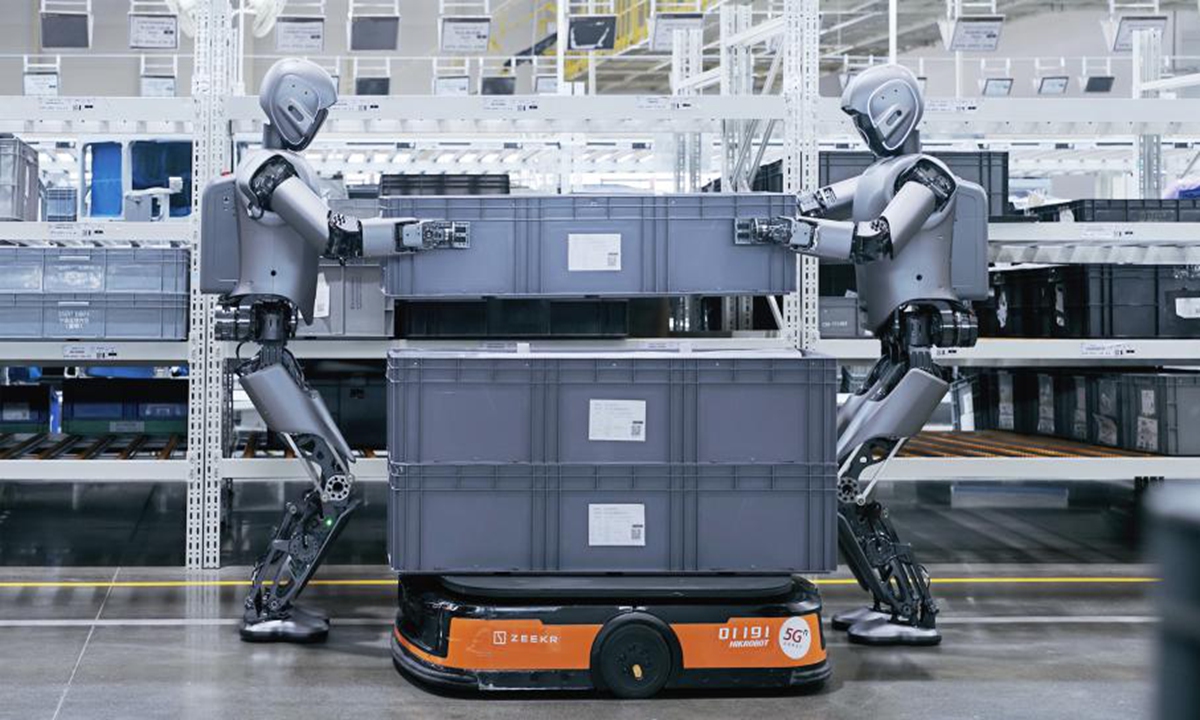
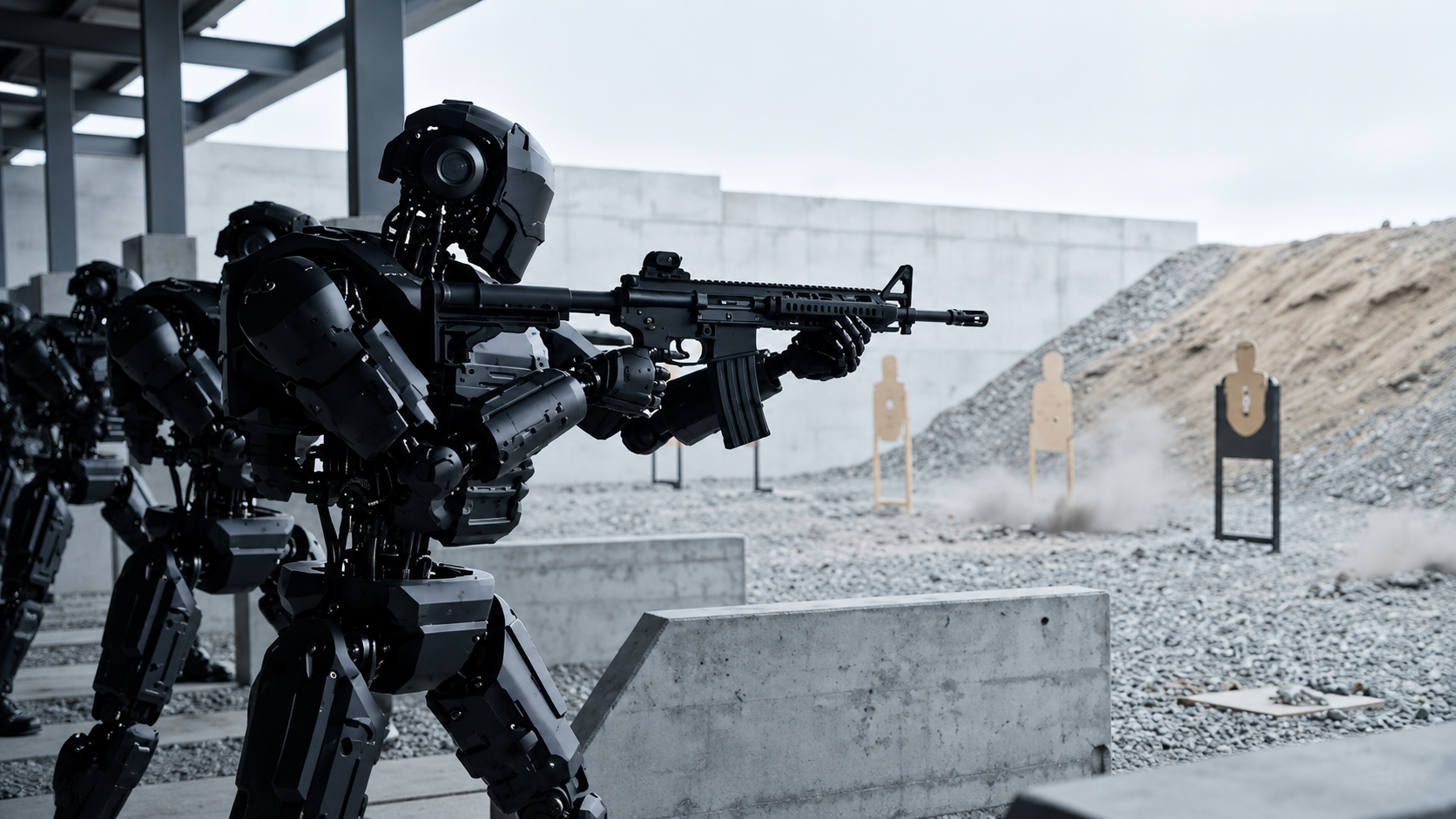
For a nation increasingly asserting its technological prowess on the global stage, the ambition to protect its soldiers while amplifying their capabilities has always been paramount. What started as a strategic vision within the halls of the Defence Research and Development Organisation (DRDO) is now steadily transforming into a tangible multi-phase plan: the integration of advanced humanoid robots into the Indian Army's frontline operations by 2050. This bold initiative, aligned with the Army’s "Decade of Transformation," marks a pivotal moment in India's journey towards modernizing its defence capabilities and securing its future. The core philosophy driving this monumental effort is not to replace human soldiers but to establish powerful Human-Machine Teaming (HMT), creating a synergistic bond where artificial intelligence and human intuition converge. In this framework, intelligent robots act as vital force multipliers, taking on the most exhausting and perilous duties, thereby shielding human lives from lethal threats while commanders retain full control over critical battlefield decisions. This strategic shift reflects a global trend in military modernization, where nations like the United States, China, and Russia are also heavily investing in AI and robotics to gain a tactical edge and enhance troop safety. Leading this technological push is the Research and Development Establishment (Engineers) [R&DE(E)], a premier DRDO laboratory based in Pune, which has become the crucible for India's military-grade humanoid programme. As of mid-2026, their efforts have propelled the programme into advanced testing phases, with a target completion date of 2027 for the initial bipedal platform. Scientists and engineers, under the guidance of experts like S E Talole and Kiran Akella, are meticulously focused on perfecting the machine's autonomous control, ensuring its balance even in unpredictable environments, and enhancing its rapid data processing capabilities. This commitment to indigenous development resonates deeply with the "Atmanirbhar Bharat" (self-reliant India) vision, fostering a robust domestic deep-tech ecosystem capable of delivering cutting-edge solutions for national security. The primary goal for these bipedal platforms is to engineer machines that can walk through rugged landscapes, including dense jungles, steep mountains, and chaotic urban zones, where traditional wheeled or tracked vehicles struggle or cannot access. Furthermore, the humanoid's upper body is designed with an impressive 24 degrees of freedom, including flexible arms and grippers, enabling it to perform intricate tasks beyond simple locomotion. These capabilities include opening doors, turning valves, clearing obstacles, and safely disposing of hazardous materials such as mines and explosives, thereby significantly reducing the direct exposure of soldiers to life-threatening situations. This focus on navigating diverse and challenging terrains is particularly critical for India, given its varied geographical borders, from the high-altitude Himalayas to dense northeastern forests and sprawling desert regions. A major hurdle in this endeavour is accurately mimicking human stability and motion, a complex biomechanical challenge. To overcome this, DRDO researchers are utilising advanced actuators that simulate biological muscles, allowing the bipedal robot to walk steadily, recover its balance after being pushed or falling, and seamlessly traverse uneven ground. These sophisticated mechanisms are crucial for ensuring the robots can operate reliably and effectively in dynamic, unpredictable combat environments. The development of such advanced robotic limbs and balance systems also holds immense potential for dual-use applications, perhaps in future prosthetics or even in industrial robots designed for complex manufacturing tasks, demonstrating broader market implications beyond military use. To perceive its surroundings and operate autonomously, the robotic platform will be equipped with a sophisticated sensor suite, crucial for its independent navigation and operational effectiveness. This includes proprioceptive sensors to track its own joint movements, providing internal awareness, and exteroceptive sensors, such as high-resolution cameras and sensitive microphones, to interpret the outside world. Additionally, it will utilise Simultaneous Localisation and Mapping (SLAM) technology to instantly map uncharted territories while pinpointing its exact location, allowing for independent navigation in perilous environments day or night. This comprehensive sensory perception is fundamental to creating truly intelligent and adaptable combat partners. The Indian Army’s broader strategy does not rely on isolated machines but champions a "centaur" approach, establishing seamlessly integrated units where human troops and AI-driven platforms fight side by side. This collaborative mindset is already taking root through existing programmes like the "Eager Drone" initiative, which trains soldiers to operate and trust unmanned aerial systems in daily routines. By fostering a culture of technological literacy from the ground up, the military is paving the way for the eventual, seamless integration of advanced walking robots into its forces, ensuring that human-machine teaming becomes an intuitive aspect of modern soldiering. The journey to 2050 is meticulously structured across a three-stage roadmap, each phase building upon the last with increasing levels of autonomy and combat integration. The current phase, Phase 1, is dedicated to Support and Logistics, focusing on non-combat applications designed to keep soldiers safe. In this stage, robots are tasked with hauling heavy munitions, conducting essential resupply runs, carrying out critical surveillance, and operating safely in contaminated zones. Relieving troops of these physically exhausting and often dangerous chores allows them to conserve energy and focus entirely on their primary combat objectives, enhancing overall operational efficiency. Moving into the 2040s, Phase 2, Autonomous Teaming, will see a deeper integration of smart systems into active operations. Ground-based robots will take on more complex duties such as target designation, precise intelligence gathering, and comprehensive battlefield monitoring. Much like the "Loyal Wingman" drones used in aviation, these terrestrial robots will share real-time data and execute commands alongside infantrymen, creating a truly collaborative combat unit. This phase represents a significant leap towards robots making semi-autonomous decisions under human oversight, enhancing responsiveness and tactical depth. By the year 2050, Phase 3, Advanced Combat Integration, aims to deploy fully mature humanoid systems into the heart of urban warfare and counter-terrorism operations. These highly advanced machines will be capable of processing massive amounts of combat data instantly, aiding in tactical planning, and serving as frontline extensions of human squads in the most intensely contested combat zones. Instead of making human troops obsolete, these robots will amplify a unit's striking power, absorbing the highest risks and affording military commanders the clarity and time needed to make rapid, well-informed decisions under fire.
The Indian Army’s multi-phase roadmap to integrate bipedal humanoid combat partners by 2050 represents a massive, necessary shift toward high-tech self-reliance. Driven by DRDO's R&DE(E) lab in Pune, the upcoming 2027 prototype field trials mark a critical milestone, moving legged robotics from laboratory prototypes to practical military hardware. The true strategic value of this initiative lies in its realistic execution. Rather than building a fully autonomous, sci-fi replacement for human infantry, the program centers strictly on a "human-in-the-loop" framework. For the rapidly expanding Indian deep-tech startup ecosystem, this creates a major downstream opportunity. Perfecting the 24 degrees of freedom required for complex task handling, alongside advanced tactile sensing, opens up a clear pathway for dual-use commercial spin-offs in heavy manufacturing, logistics, and disaster response.
Several crucial factors motivate this ambitious timeline, paramount among them being the preservation of human life. Sending machines into areas rigged with improvised explosive devices, exposed to heavy gunfire, or contaminated by chemical hazards means fewer human casualties. Today's battlegrounds are also saturated with complex data, and early AI tools like Tadai and Ekalavya are already being rolled out to assist with target engagement and resource management. These software solutions are the precursors to a future where intelligent, physical machines will provide real-time tactical support to commanders, revolutionizing decision-making under pressure. While putting humanoid warriors on the frontline remains a distant goal fraught with challenges, such as ensuring reliable power sources, guaranteeing AI dependability in unforeseen situations, and designing for battlefield survival, the momentum is undeniable. With DRDO's relentless research and the Army's unwavering commitment to modernisation, Human-Machine Teaming is poised to become the cornerstone of India’s future defence strategy. This visionary pursuit is not just about adopting advanced technology; it's about forging a strategic advantage, safeguarding the nation's personnel, and inspiring a new generation of engineers and innovators to contribute to India's technological sovereignty and global leadership in defence robotics.
Frequently asked questions
What is the Indian Army's plan for humanoid robots?
The Indian Army is exploring a multi-phase plan to integrate humanoid robots into complex counter-terrorism and frontline combat operations by 2050, emphasizing Human-Machine Teaming to enhance soldier safety and tactical capabilities.
Who is spearheading the development of these military robots?
The Defence Research and Development Organisation (DRDO), specifically its Research and Development Establishment (Engineers) [R&DE(E)] in Pune, is leading the technological push for these military-grade humanoid robots.
What is Human-Machine Teaming (HMT) in the context of this plan?
Human-Machine Teaming (HMT) is the core philosophy where AI-driven robots act as vital force multipliers, performing perilous duties while human commanders retain full control over critical battlefield decisions, not replacing soldiers but augmenting them.
What are the three phases for integrating humanoid robots?
The roadmap includes Phase 1 (current) for support and logistics, Phase 2 (2040s) for autonomous teaming in intelligence and monitoring, and Phase 3 (towards 2050) for advanced combat integration in urban warfare and counter-terrorism.
What specific tasks are the humanoid robots designed to perform?
The robots are designed to walk rugged landscapes, open doors, turn valves, clear obstacles, dispose of hazardous materials like mines, haul munitions, conduct surveillance, and provide real-time tactical support.
What are the main challenges in deploying humanoid robots for combat?
Key challenges include ensuring reliable power sources, guaranteeing AI dependability under combat stress, ensuring battlefield survival, and accurately mimicking human stability and motion in diverse terrains.