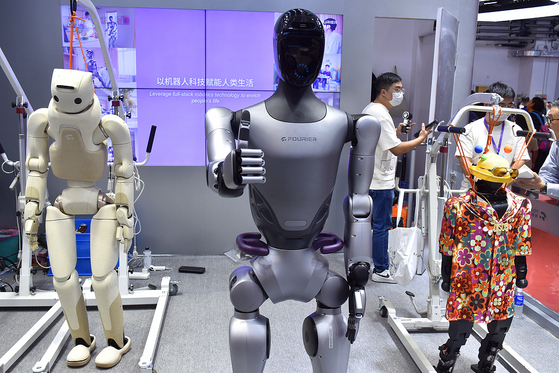
The fintech giant, best known for Alipay, is making a strategic gamble on humanoid robotics, signaling a deeper play beyond payments.
Why is one of the world's largest fintech companies suddenly pouring money into robots, specifically humanoid ones? That's the question many in the global tech community are asking as news breaks about Ant Group's aggressive pivot. The Alibaba-affiliate, best known for its Alipay mobile payment platform, is making a significant and strategic gamble, signaling a deeper play that extends far beyond digital wallets and into the physical world of automation.
Here's what happened: Ant Group has reportedly invested in a dozen robotics companies over the past 18 months, with a clear focus on humanoid and service robots. This isn't just a casual dabble; it's a concerted, rapid-fire expansion into a sector that might seem miles away from its core business, but one that I believe holds profound implications for its future and the broader tech landscape.
Ant Group, which operates the ubiquitous Alipay payment system with over a billion users, has long been a powerhouse in digital finance, lending, and insurance. Its sheer scale and data capabilities are immense. For a company of this stature to pivot so sharply suggests a calculated move to diversify and capture the next wave of technological disruption. These investments aren't in obscure research labs; they're targeting companies developing everything from agile bipedal robots capable of navigating complex environments to automated systems designed for logistics and service industries.
The "dozen deals in 18 months" is a critical data point. It indicates not just an interest, but a commitment to building out a significant portfolio and, potentially, an integrated ecosystem around robotics. We're talking about a company with deep pockets and a history of rapid execution, now turning its gaze to an area that is simultaneously challenging and immensely promising. It’s a bold strategic shift, and one that forces us to reconsider what "fintech" might mean in the coming decade.
Why this matters for the global tech landscape
This aggressive push from Ant Group isn't merely about a financial institution buying into a trendy sector. It represents a potent confluence of AI, data, and physical automation, signaling a major strategic thrust that has implications for everyone from North American robotics startups to global manufacturing giants. For years, the narrative around robotics has been dominated by specialized engineering firms and venture-backed startups, many of which are based in the US and Europe. Ant's entry, backed by the immense resources and market reach of the Alibaba ecosystem, fundamentally shifts the competitive dynamics.
My read is that Ant isn't just seeking to be an investor; it's looking to integrate. Imagine a future where Alipay isn't just processing payments but also powering the operational backbone of automated warehouses, smart retail environments, or even personal service robots. The data generated by these robots—from operational efficiency to consumer behavior—would feed back into Ant's already massive AI and data analytics engines, creating a powerful virtuous cycle. This kind of synergy could accelerate the development and deployment of robotics in ways independent startups often struggle to achieve, facing limitations in scale, capital, and data access.
This move is also deeply intertwined with the broader global race for AI supremacy and industrial transformation. Nations worldwide are grappling with aging populations, labor shortages, and the need for more resilient supply chains. Robotics, especially humanoids and advanced service robots, offer potential solutions to these challenges. By investing heavily now, Ant Group is positioning itself to be a leader in the next generation of intelligent infrastructure, potentially influencing global standards and adoption curves. North American companies, both established tech players and emerging startups, should be watching this development closely as it will undoubtedly intensify the competition for talent, technology, and market share in the advanced robotics space.
What this means for the North American market
Ant Group's foray into humanoid robotics will inevitably send ripples across the North American market, particularly within the venture capital and startup ecosystem focused on AI and automation. For years, US-based companies like Boston Dynamics, Agility Robotics, and Figure AI have been at the forefront of humanoid and bipedal robot development. Tesla's Optimus project has also captured significant attention. Ant's aggressive investment strategy means that the pool of global capital and engineering talent dedicated to advanced robotics is about to get even more competitive.
This could have a dual effect. On one hand, increased global interest and investment validate the sector, potentially attracting even more venture capital into North American robotics startups. Investors in Silicon Valley and beyond might see Ant's move as a signal that the market for intelligent robots is maturing rapidly, prompting them to double down on their own domestic investments. On the other hand, it also introduces a formidable competitor with vast resources and a different market entry strategy. Ant isn't just building from scratch; it’s acquiring capabilities and integrating them into an existing, expansive digital and physical network. This could put pressure on smaller, independent North American robotics companies trying to scale on their own.
Moreover, the integration of advanced robotics into logistics, manufacturing, and service sectors has significant implications for labor markets and economic policy in North America. As these technologies mature, questions about job displacement, retraining, and the future of work will become even more pressing. Ant Group's accelerated development could hasten these conversations, forcing policymakers and industry leaders to proactively plan for an increasingly automated future. It’s a wake-up call that the automation revolution is global and moving at an unprecedented pace.
This isn't the first time Ant Group has looked beyond its core fintech offerings. The company has a history of strategic diversification, leveraging its data and AI capabilities to expand into areas like cloud computing, logistics, and even healthcare. This robotics push can be seen as a natural extension of that strategy, allowing it to build an "intelligent ecosystem" that transcends purely digital services.
The challenges for Ant will be substantial. Developing, manufacturing, and deploying humanoid robots at scale requires immense R&D, sophisticated supply chains, and navigating complex regulatory landscapes. The path to profitability in hardware-intensive sectors is often longer and more capital-intensive than in software. Yet, Ant's approach of investing in existing players allows it to de-risk some of that development and potentially accelerate market entry. The question isn't just if they can build the robots, but if they can effectively integrate them into their vast network and find compelling use cases that leverage their existing strengths.
What strikes me here is the sheer audacity and strategic foresight. This isn't just about selling robots; it's about owning the future of intelligent infrastructure and services. The integration of advanced AI with physical robotics, underpinned by massive data sets, creates a powerful new paradigm for how industries will operate and how services will be delivered. Ant Group, with its financial muscle and AI expertise, is betting big on this future.
Ultimately, Ant Group's rapid entry into humanoid robotics isn't just another tech headline; it's a significant inflection point in the global race for automation and AI dominance. It underscores how tech giants are increasingly looking to bridge the digital and physical worlds, leveraging data and AI to create new engines of growth. For North American tech and investment circles, it means a more competitive, innovative, and rapidly evolving landscape where the future of work, commerce, and daily life will be shaped by these intelligent machines, arriving perhaps sooner than many anticipate.
Frequently asked questions
Why is Ant Group investing in humanoid robots?
Ant Group, primarily a fintech company known for Alipay, is investing in humanoid robots as a strategic pivot to explore new growth areas beyond its core payment business, signaling a deeper play in advanced AI and automation. This move aims to diversify its technological footprint and potentially create new applications for its vast data infrastructure.
How many robot deals has Ant Group made recently?
Ant Group has reportedly made a dozen deals in the humanoid robot sector within the last 18 months, indicating a rapid and aggressive expansion into this emerging technology.
What is Ant Group best known for?
Ant Group is best known as an Alibaba affiliate and the operator of Alipay, one of the world's largest mobile payment platforms, facilitating mobile payments and financial services.
What are the implications of Ant Group's move into robotics?
Ant Group's aggressive move into robotics could significantly impact the tech and financial sectors, pushing boundaries in AI applications, automation, and potentially integrating advanced robotics into future fintech solutions.
Is Ant Group shifting away from fintech?
While Ant Group is diversifying its investments, it's more likely expanding its technological capabilities rather than completely abandoning fintech, seeking synergies between AI, robotics, and its existing financial services to innovate.
Which companies are major players in the humanoid robot market?
Major players in the humanoid robot market include companies like Boston Dynamics, Agility Robotics, and now, with significant investment, Ant Group is rapidly becoming a notable force in this evolving sector.