TSMC's colossal $100 billion investment aims to expand manufacturing capacity, secure its lead, and fend off rivals amid soaring global semiconductor demand.
Taiwan Semiconductor Manufacturing Company (TSMC), the world’s largest contract chipmaker, is making an unprecedented investment of $100 billion over the next three years to expand its manufacturing capacity. This massive capital injection is a direct response to soaring global demand for semiconductors and intense competition, signaling a high-stakes battle for the future of virtually every electronic device we use.
TSMC CEO C.C. Wei, in an internal memo to employees, stressed the urgency of continuous investment, stating that without it, "there will be no food on the table for us." This move is a direct response to soaring global demand for semiconductors and intense competition from rivals like Intel and Samsung, as well as the critical need to meet the exploding requirements of industries worldwide.
TSMC, which fabricates chips for tech giants such as Apple, Qualcomm, and Nvidia, has seen its facilities running at near 100% utilization for over a year. This relentless demand, fueled by everything from smartphones and data centers to electric vehicles and gaming consoles, has led to a widely publicized global chip shortage that continues to snarl supply chains across North America and beyond.
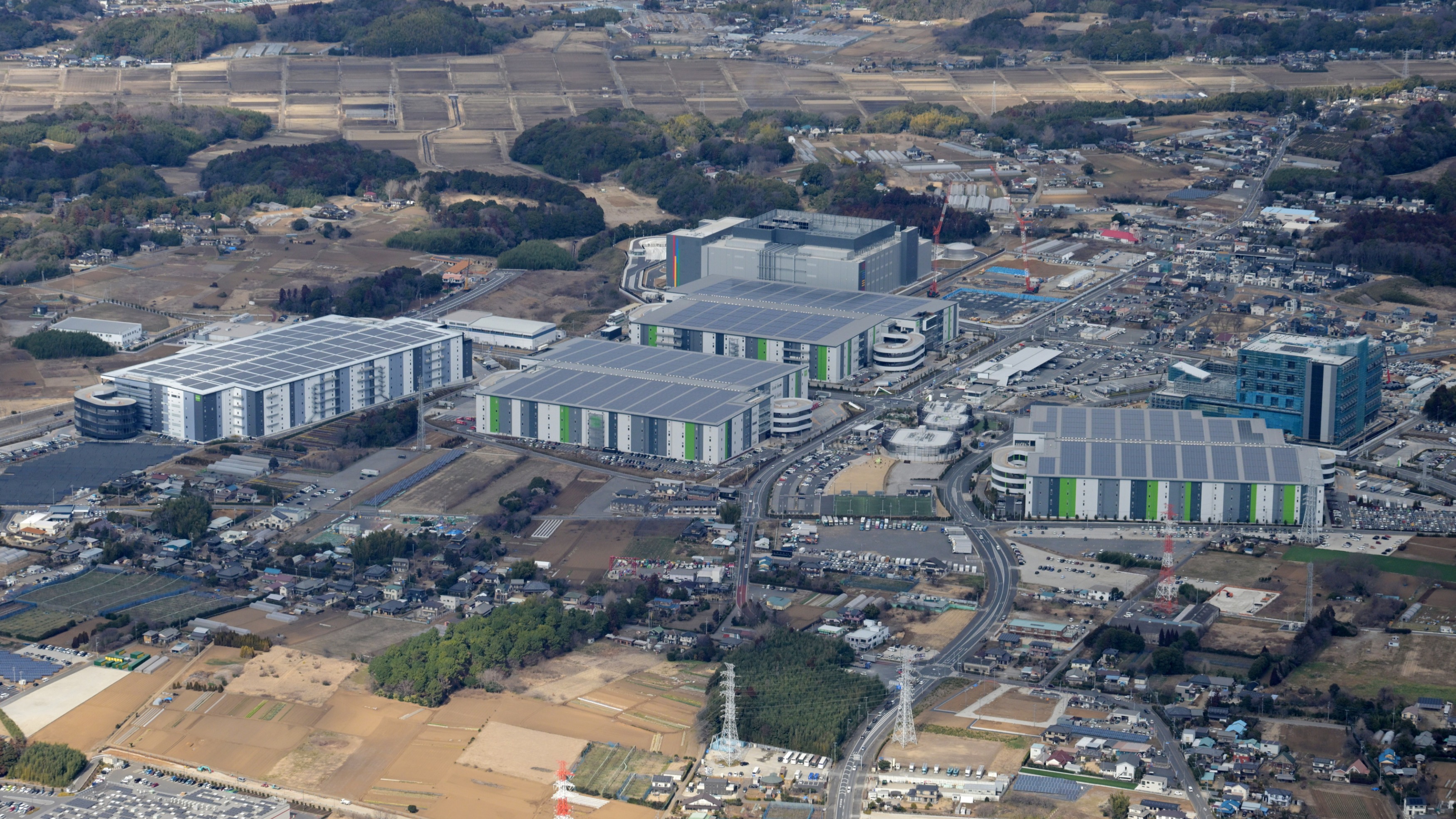
The massive capital expenditure (capex) will be directed towards new factories, research and development, and the recruitment of thousands of engineers. The planned investment aims to bolster its technological leadership in advanced node processes, ensuring it can continue to produce the cutting-edge semiconductors essential for artificial intelligence, 5G networks, and high-performance computing.
The sheer scale of this investment reflects not just current market conditions but also a strategic imperative to secure long-term contracts and maintain a commanding lead in a technologically complex and capital-intensive industry. It's a clear signal that the race for semiconductor supremacy is accelerating, with profound implications for consumers and economies globally.
Why this $100 billion bet matters for everyone
TSMC’s dominant position means that its investment decisions ripple through the entire tech ecosystem, impacting everything from the price of a new iPhone to the availability of new cars. As a pure-play foundry, TSMC manufactures chips designed by other companies, making it an indispensable partner for almost every major tech innovator.
The ongoing chip shortage, exacerbated by pandemic-driven demand and supply chain disruptions, has highlighted the world’s reliance on a handful of key players, with TSMC at the forefront. Industries like automotive have been hit particularly hard, forcing production cuts and delaying vehicle deliveries, directly affecting North American consumers.
This massive investment is not just about expanding capacity; it's about cementing TSMC's technological advantage in fabricating the most advanced chips, often measured in nanometers. Smaller nanometer processes, like 5nm or upcoming 3nm, allow for more transistors on a chip, leading to greater power and efficiency, which are crucial for the next generation of AI accelerators and high-end processors.
The escalating global chip race
TSMC's "no food on the table" comment isn't just hyperbole; it’s a candid acknowledgment of fierce competition, particularly from Intel and Samsung. Intel, under its new CEO Pat Gelsinger, has announced an ambitious "IDM 2.0" strategy, including a return to the foundry business to directly challenge TSMC and Samsung.
Intel plans to invest heavily in new fabs in the US and Europe, aiming to regain its manufacturing prowess and offer foundry services to external customers. Similarly, South Korea's Samsung Electronics, TSMC's closest rival in advanced chip manufacturing, has also committed substantial investments to expand its own foundry capacity and technology.
These competitive dynamics are further complicated by geopolitical considerations, especially in North America. The US government, through initiatives like the CHIPS Act, is actively pushing to reshore semiconductor manufacturing to reduce reliance on overseas production, particularly from Taiwan, which is seen as a geopolitical hotspot.
TSMC itself is building a new advanced manufacturing facility in Arizona, a multi-billion dollar project that underscores the strategic importance of diversifying the global chip supply chain. This move, while significant, represents only a fraction of TSMC's overall capacity, with the vast majority remaining in Taiwan.
The immense capital requirements for leading-edge chip manufacturing mean that only a few companies can truly compete at this level. This high barrier to entry could further consolidate power among TSMC, Samsung, and potentially Intel, making it even harder for new players to emerge or for smaller fabless companies to secure access to cutting-edge technology.
Ultimately, TSMC’s $100 billion bet represents a pivotal moment in the global technology landscape. It signals a future where semiconductor manufacturing remains a central battleground for economic and geopolitical influence, with continuous innovation and massive capital expenditure being the price of staying relevant. The outcome of this escalating chip race will define the next decade of technological advancement, determining who powers the devices and data centers that shape our daily lives.
Frequently asked questions
What is TSMC's recent major investment?
TSMC is investing an unprecedented $100 billion over the next three years to significantly expand its manufacturing capacity. This move is a strategic response to surging global demand for semiconductors and intense competition within the chipmaking industry.
Why is TSMC making this huge investment?
The investment is driven by soaring global demand for semiconductors and the need to maintain its competitive edge against rival chipmakers.
How much is TSMC investing in its capacity expansion?
TSMC is investing $100 billion over the next three years to expand its manufacturing capacity.
What is the primary goal of TSMC's $100 billion investment?
The primary goal is to meet the rising global demand for semiconductors and strengthen its position as the world's leading contract chipmaker.
Who is TSMC?
TSMC (Taiwan Semiconductor Manufacturing Company) is the world’s largest contract chipmaker, producing semiconductors for many global tech companies.
What does "No food on the table" refer to in this context?
It's an evocative phrase from the article title, likely referring to the high stakes and fierce competition where failing to invest could mean losing market share and revenue in the semiconductor industry.