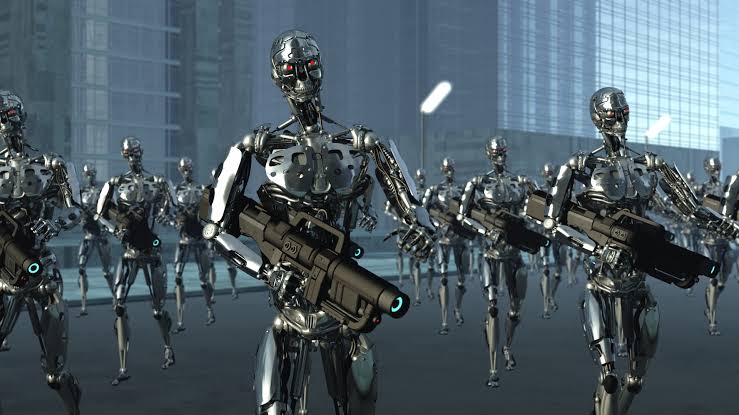
Washington proposes banning Chinese-made humanoid robots from its military, escalating the tech competition & national security concerns.
US Expands China Tech Clampdown, Moves to Block Chinese Humanoid Robots from Military Use
The United States is reportedly moving to ban Chinese-made humanoid robots from its military, marking a significant escalation in the ongoing tech competition between Washington and Beijing. This proposed restriction highlights deepening national security concerns over advanced technology and its potential implications for future defense capabilities. For regular people, this means yet another front in a long-running economic and technological battle that could reshape global supply chains and innovation. Here's what happened: The Biden administration is reportedly preparing measures that would prevent the Department of Defense from acquiring humanoid robots manufactured by Chinese companies. This move extends existing prohibitions on a range of Chinese technologies deemed critical to national security, from telecom gear to drones. It's a clear signal that the Pentagon views advanced robotics, particularly those with human-like capabilities, as a sensitive area susceptible to foreign influence or exploitation. This isn't an isolated policy shift. The proposed ban fits squarely into a broader strategy by the US to decouple its critical technology sectors from China. Earlier actions have targeted everything from semiconductors, with sweeping export controls on advanced chips and manufacturing equipment, to telecommunications giants like Huawei, and even popular consumer apps such as TikTok, all cited as potential national security risks. The concern consistently revolves around data integrity, surveillance, and the potential for foreign adversaries to control or disrupt critical infrastructure and defense systems. The focus on humanoid robots, in particular, underscores the rapid advancements in artificial intelligence and robotics. These machines, designed to mimic human form and movement, are increasingly capable of complex tasks, making them attractive for both commercial and military applications. The US military, like others globally, is exploring how such robots could assist in logistics, reconnaissance, and even direct combat roles, raising the stakes significantly for who develops and supplies this cutting-edge hardware.
Why is the US worried about Chinese robots?
The underlying fear isn't just about a robot's physical capabilities, but the "brains" within it. Humanoid robots are powered by sophisticated AI systems that collect and process vast amounts of data from their environment. If these robots were deployed within US military operations, there's a perceived risk that sensitive information, operational details, or even critical infrastructure data could be siphoned off to Beijing. It's a modern twist on espionage, where the machine itself becomes a potential conduit for intelligence gathering. Beyond data security, there's the concern of control and supply chain vulnerability. Relying on foreign-made advanced robotics for defense could mean that an adversary might have a "kill switch" or the ability to degrade functionality during a conflict. This isn't just theoretical; past incidents have highlighted how integrated foreign hardware can pose significant backdoors. Ensuring a secure, domestic supply chain for defense technology is paramount for national security planners. Furthermore, the dual-use nature of robotics makes this area particularly sensitive. A robot designed for warehouse logistics today could, with software modifications, be adapted for military tasks tomorrow. This blurs the lines between commercial innovation and strategic defense capabilities, prompting governments to scrutinize the origins of all advanced tech, regardless of its initial purpose. This ban is a proactive step to prevent potential future vulnerabilities before they can fully materialize.
What does this mean for the robotics industry?
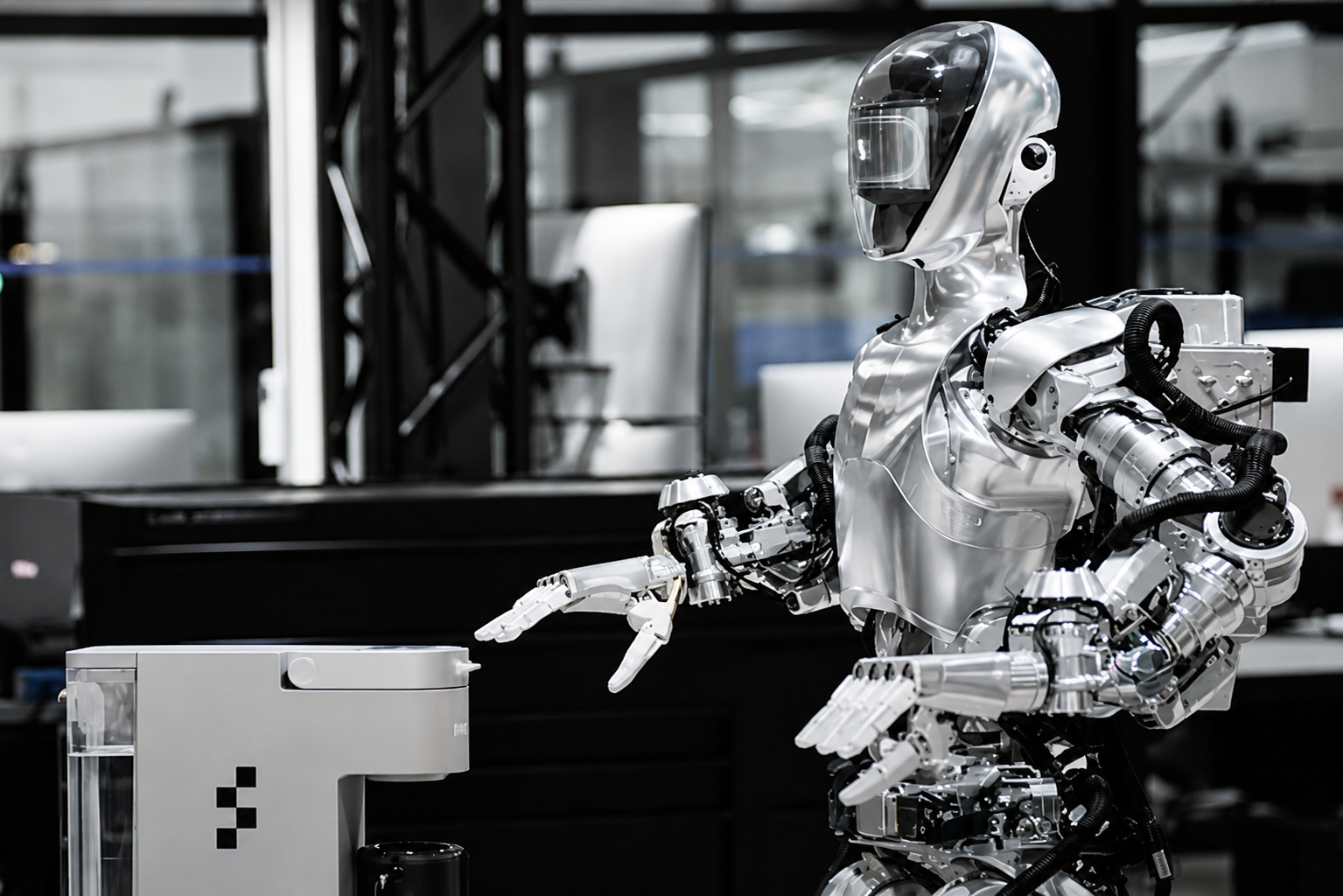
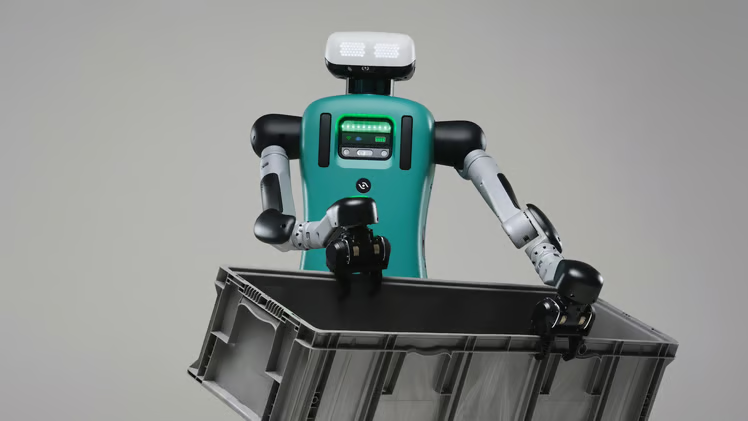
For the American robotics industry, this ban could be a significant boost. Companies like Boston Dynamics, known for its agile Spot dog-like robot and humanoid Atlas, or newer players like Figure AI and Agility Robotics, which are developing increasingly capable humanoids, stand to benefit from a protected domestic market for defense applications. It creates a clearer pathway for US-based innovators to supply the Pentagon without direct competition from Chinese state-backed entities. This could drive further investment and acceleration in American robotics R&D. However, the implications extend beyond just defense contracts. The broader "tech cold war" aims to establish distinct technological ecosystems, impacting everything from component sourcing to global standards. US companies may find themselves needing to choose between supplying the vast Chinese commercial market or aligning with US national security priorities, which could lead to complex business decisions and potential market fragmentation. It also highlights the growing challenge of global supply chains, where many critical components, even for US-designed robots, might still originate from factories in China or other nations deeply integrated with Chinese manufacturing. This move also signals a deeper commitment by the US to winning the global AI and robotics race. With China making massive investments in these fields, often with explicit military-civil fusion strategies, Washington sees these bans as essential for maintaining a technological edge. The goal is to nurture a robust domestic ecosystem for critical technologies, ensuring that future innovations in areas like autonomous systems and AI-powered robotics are developed under US oversight. Looking ahead, this proposed ban is unlikely to be the last such measure. As AI and robotics continue to advance, expect to see further restrictions and incentives aimed at safeguarding national security interests and promoting domestic innovation. The competition between the US and China in advanced technology will only intensify, shaping not just the future of warfare but also the global economy and the very fabric of technological development. Businesses and consumers alike will feel the ripple effects as these two economic giants continue to redefine their technological boundaries.
Frequently asked questions
What is the US proposing regarding Chinese humanoid robots?
The United States is reportedly proposing a ban on Chinese-made humanoid robots from its military. This move signifies a major escalation in the ongoing technological competition between Washington and Beijing, driven by deepening national security concerns over advanced AI and robotics.
Why is the US concerned about Chinese humanoid robots?
Concerns stem from potential national security risks and the dual-use nature of advanced AI technology, which could be exploited for military or intelligence purposes.
How does this impact US-China tech competition?
This proposed ban further intensifies the existing tech competition, particularly in critical areas like AI, robotics, and defense technology.
Are other Chinese tech products already banned by the US military?
Yes, the US has previously implemented restrictions or bans on various Chinese tech products and companies, citing national security concerns.
What are humanoid robots?
Humanoid robots are robots designed to resemble the human body, capable of walking, manipulating objects, and performing tasks in human environments.
Will this affect commercial sales of humanoid robots?
The proposed ban specifically targets military use, but it could indirectly influence broader policy debates or public perception regarding Chinese AI and robotics in other sectors.