Global tech giants and leading Indian innovators unite to form a powerful alliance, signaling a new era for online markets in India.
Global Tech Giants and Local Innovators Form Powerful Digital Commerce Alliance in India, Signaling Future of Online Markets
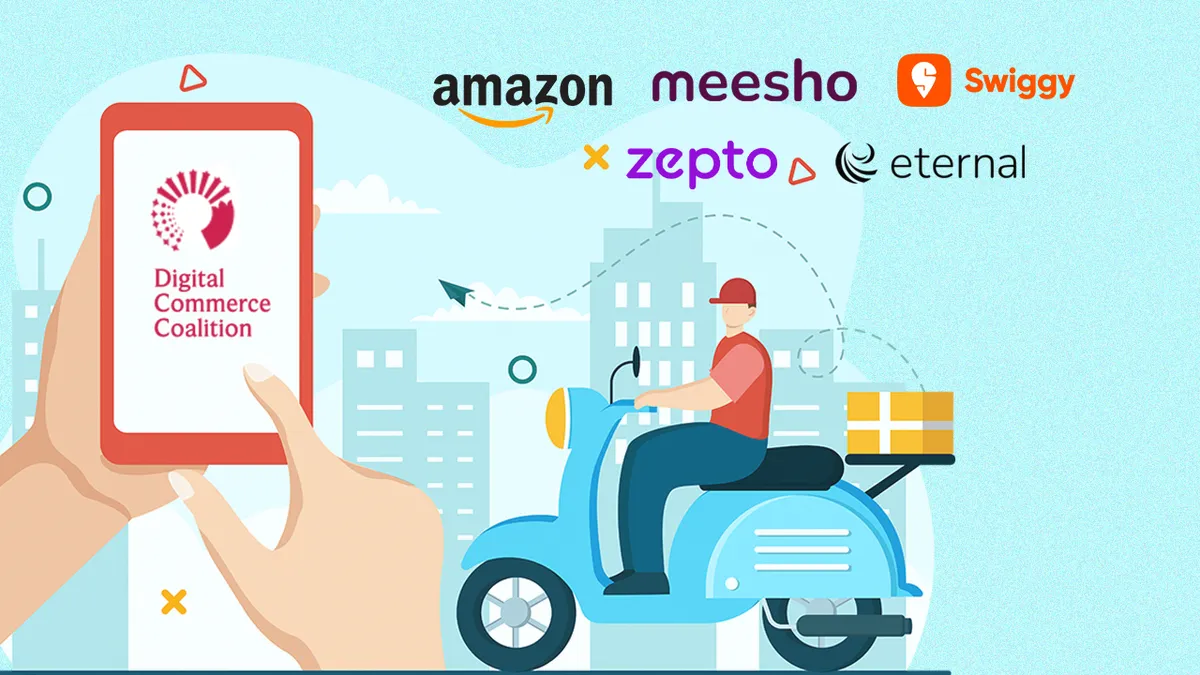
A significant new alliance is shaking up India’s booming digital commerce landscape, with global heavyweight Amazon joining forces with leading local players like Meesho, Eternal (formerly Zomato), Swiggy, and Zepto to launch the Digital Commerce Coalition. This isn't just another industry group; it's a concerted effort by major platforms to collectively tackle the foundational issues shaping one of the world's most dynamic and rapidly expanding online markets, and its implications are significant for how digital economies are managed. The newly formed coalition aims to address critical challenges such as building consumer trust, fostering responsible innovation, ensuring broad economic participation, and driving sustainable growth across India's vast digital economy. This kind of unified approach by market leaders could influence future regulatory and operational models. These companies, ranging from established e-commerce giants to rapid grocery delivery services and social commerce innovators, are coming together to create a unified front. The platform is designed to be a hub for active stakeholder engagement, robust policy discussions, crucial research, and vital knowledge sharing. Their agenda specifically targets improving customer experience, unlocking new opportunities for entrepreneurs and small businesses, fortifying supply chains, and better supporting the delivery partners who form the backbone of the digital economy. It's a pragmatic response to the complexities that arise when an entire economy shifts rapidly online. The timing of this launch is critical, as India's digital commerce sector continues its explosive expansion. This growth is fueled by a combination of factors that are familiar to observers of emerging markets: soaring internet penetration, particularly in smaller cities and towns, the constant evolution of business models, and an ever-increasing participation from businesses of all sizes, from micro-enterprises to large corporations. This rapid expansion, while creating immense opportunities, also brings forth complex challenges related to infrastructure, regulation, and equitable access, making a collaborative industry body all the more essential.
Why This Matters for the Global Digital Economy
For a North American audience, understanding this development requires looking beyond the specific geographical context to the universal challenges and opportunities presented by the digital revolution. The issues India faces—ensuring fair access for small and medium-sized enterprises (MSMEs), building resilient supply chains, and solidifying consumer trust in online transactions—are challenges that digital commerce platforms address across various markets. The formation of the Digital Commerce Coalition, with its explicit focus on these pain points, aims to show how industry players can self-regulate and collaborate with governments to create more stable and equitable digital ecosystems. Dr. Jaskiran Bedi, Head of Public Policy at Eternal, underscored this broader impact, noting that "Digital commerce is making everyday consumption more convenient while also enabling new avenues of livelihood and entrepreneurship for millions." This human-centric view of digital growth, focusing on individual empowerment, is relevant to markets grappling with the future of work and economic inclusion. Similarly, Prachi Bhuchar, Head of Public Policy at Meesho, highlighted how digital commerce has been a potent force for "creating entrepreneurship opportunities, particularly for small businesses and underserved markets." This focus on MSMEs is important for economic development, and how large digital platforms integrate and support these smaller players is a key indicator of sustainable growth. Rachit Ranjan, Chief Policy Officer at Zepto, further emphasized that industry-wide collaboration is the key to effectively addressing issues related to "MSME access, supply chains, and consumer trust." These are not merely operational hurdles; they are fundamental elements of trust and sustainability for any digital economy.
The Landscape of Digital Advocacy
The Digital Commerce Coalition doesn't emerge into an empty arena. India's technology ecosystem already boasts a robust network of industry advocacy groups, including the Internet and Mobile Association of India (IAMAI), the Alliance of Digital India Foundation (ADIF), and the Startup Policy Forum (SPF). These bodies actively engage with policymakers on a wide array of issues affecting internet and technology companies. However, the newly launched coalition carves out a distinct niche by specifically focusing its efforts on digital commerce. This specialized focus allows the member companies—Amazon, Meesho, Eternal, Swiggy, and Zepto—to zero in on sector-specific priorities. These can include nuanced policy discussions around delivery partner welfare, specific taxation models for online marketplaces, data privacy for e-commerce transactions, or unique challenges in last-mile logistics. By consolidating expertise and advocacy efforts on these particular issues, the coalition aims to speak with a more precise and impactful voice. An interesting observation from the launch is the apparent absence of Flipkart, a major rival to Amazon in the Indian e-commerce market. While the specific reasons for this are not detailed, it highlights the complex and often competitive nature of industry alliances, even when the stated goals are collective good. The participation of key players like Amazon, alongside rapidly scaling local innovators, still presents a formidable force for shaping the policy and operational landscape of digital commerce in India. The public policy consulting firm Koan Advisory Group will serve as the secretariat for the coalition, providing essential support for its research and engagement activities, ensuring a structured and informed approach to its advocacy. As digital commerce continues its global march, touching more lives and reshaping more economies, the collaborative efforts seen in India offer a compelling case study. The success or challenges faced by this coalition in addressing issues of trust, innovation, and equitable growth will be watched closely by stakeholders. It represents a proactive step by industry leaders to define the future of online markets, rather than merely reacting to it.
Frequently asked questions
What is the Digital Commerce Coalition?
The Digital Commerce Coalition is a new alliance formed by global tech giant Amazon and leading Indian innovators like Meesho, Eternal (formerly Zomato), Swiggy, and Zepto. Its goal is to shape the future of online markets in India through collaborative efforts.
Which companies are part of the Digital Commerce Coalition?
The coalition includes Amazon, Meesho, Eternal (formerly Zomato), Swiggy, and Zepto.
Why was the Digital Commerce Coalition formed?
It was formed to bring together major players in India's digital commerce landscape to drive innovation and influence the future of online markets.
How will this coalition impact the Indian e-commerce market?
The coalition is expected to significantly impact competition, innovation, and consumer choices within India's booming digital commerce sector.
Is Zomato involved in this coalition?
Yes, Eternal, which is formerly Zomato, is a key member of the Digital Commerce Coalition.
What does this alliance mean for consumers in India?
This alliance could lead to new services, improved efficiency, and potentially greater competition, ultimately benefiting consumers through better choices and experiences.