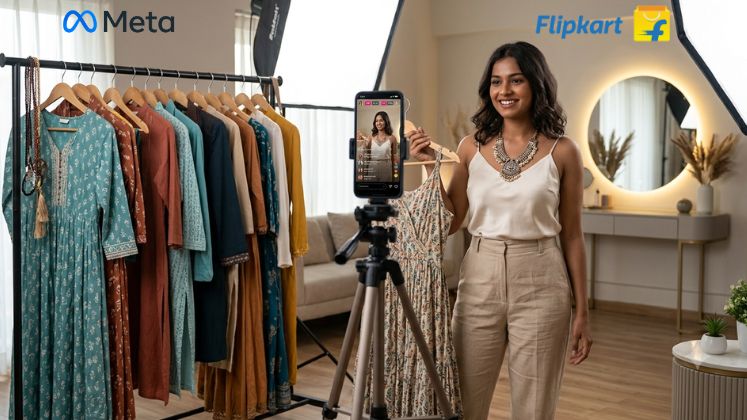
India's e-commerce giant Flipkart teams up with Meta to integrate shopping directly into Facebook & Instagram, transforming social commerce for creators.
A significant shift just hit the global e-commerce landscape, quietly signaling a future where scrolling through your social feed could become your primary shopping spree. The Flipkart Group, India's e-commerce giant, has formally partnered with Meta as an affiliate partner, directly integrating shopping capabilities into Facebook and eventually Instagram posts and Reels. For anyone involved in digital marketing, content creation, or simply buying things online, this collaboration is a potent indicator of where retail is headed.
Here's what happened: Meta's platforms will now allow creators to tag products directly from Flipkart and its fashion arm, Myntra, within their content. This means a seamless journey for consumers who discover an item through a creator's post and can then complete their purchase on Flipkart or Myntra, all while creators earn a commission on the sale. It’s a direct conduit from social discovery to transaction, bypassing many of the traditional hoops.
This isn't just another tech integration; it's a strategic move that reflects the evolving dynamics of consumer behavior, especially among younger demographics. Flipkart has been building out its creator-focused commerce initiatives for the past two years, with platforms like Creatorhood and Affluencer. This partnership with Meta amplifies that strategy by plugging directly into Meta's colossal user base, transforming social feeds into interactive storefronts.
The program is intentionally broad, opening its doors to micro and nano influencers across various categories. This focus on smaller creators is key. While celebrity endorsements have their place, micro-influencers often boast higher engagement rates and more authentic connections with their niche audiences, making their recommendations particularly powerful in driving purchase decisions. For brands and sellers, this offers an additional, high-trust channel to reach consumers, with the flexibility to select products for promotion and determine commission structures.
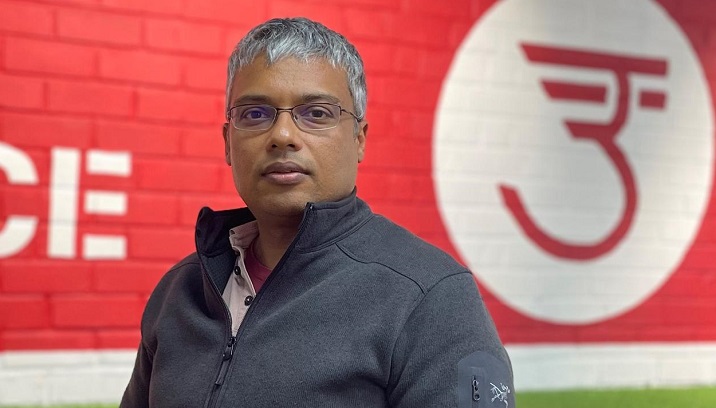
Data from the 'How India Shops Online 2026' report by Flipkart and Bain & Company underscores the urgency behind this move. The report reveals that Gen Z consumers account for a substantial 40% to 45% of India's e-retail shoppers, contributing nearly half of all incremental e-retail orders. Crucially, it highlights the increasing role of influencer-led discovery and social content in their online purchasing decisions. As Ravi Iyer, Chief Financial Officer of Flipkart Group, succinctly put it, "Two years ago, Flipkart recognised that Gen Z was rewriting the rules of Indian retail. That discovery was moving from search bars to social feeds, and that creators were becoming the new storefront."
Why This Partnership Is a Game-Changer for the Creator Economy
This Meta-Flipkart alliance represents a significant maturation of the social commerce trend. Platforms globally, from TikTok Shop to Amazon's influencer programs, have integrated shopping directly into content. What makes this partnership particularly compelling is its scale and the strategic alignment between a dominant social media player and an e-commerce giant in a rapidly growing market like India.
For Meta, this is an undeniable play to solidify its position in the e-commerce funnel, a space it has struggled to fully monetize in the past. While Facebook Shops and Instagram Checkout have existed, the direct affiliate integration with a major retailer like Flipkart provides a much clearer, more compelling value proposition for creators. It gives them a direct, platform-native path to monetize their content beyond brand deals or ad revenue, making Meta's platforms more sticky and competitive against emerging rivals. It's about ensuring that when purchase intent is sparked by social content, Meta gets a slice of that transactional pie, along with valuable shopping data.
Consider the broader trend: the shift from "intent-based" commerce, where consumers search specifically for a product, to "discovery commerce," where purchases are inspired by content. This partnership is built entirely on the latter. Creators, regardless of their follower count, become vital nodes in this discovery network. They are no longer just entertainers or educators; they are directly facilitated sales channels. This democratizes earning potential for a wider swathe of creators, empowering micro and nano influencers who might not land large brand deals but possess high engagement within their communities.
What Happens Next in the Race for Social Commerce Dominance
This partnership is a blueprint, a significant test case for Meta's global ambitions in e-commerce. While it launches in India, the insights gained, the technology refined, and the creator monetization model established here will undoubtedly inform Meta's strategy in other key markets, including North America. We can anticipate more sophisticated tools for creators to manage their affiliate links and track commissions, as well as enhanced analytics for brands to understand the impact of creator-led campaigns.
The immediate implications are clear: brands need to rethink their marketing budgets and strategies. Simply running ads isn't enough; they must actively engage with creators and integrate their products into authentic content streams. For creators, this means an expanded toolkit for monetization, moving beyond traditional brand sponsorships to a more direct, performance-based revenue model. It's a powerful incentive to keep producing engaging content on Meta's platforms, as their influence can now be directly tied to sales. This also signals a significant competitive move against platforms like TikTok, which has been aggressively pushing its in-app shopping capabilities.
Ultimately, this collaboration underscores a fundamental evolution in how we shop online. The lines between entertainment, social interaction, and commerce are blurring at an accelerated pace. As platforms like Meta provide more seamless pathways for creators to sell and consumers to buy, the digital storefront is increasingly becoming indistinguishable from the digital social square. Businesses, marketers, and creators who understand and adapt to this fluid reality will be the ones that truly thrive in the next era of online retail.
Frequently asked questions
How will Meta and Flipkart's partnership change online shopping in India?
Meta and Flipkart's collaboration will integrate shopping directly into Facebook and Instagram posts and Reels in India. This means users can discover and purchase products from creators without leaving their social feed, significantly boosting creator-led commerce.
What is creator-led commerce?
Creator-led commerce involves influencers and content creators directly showcasing and selling products to their audience through their social media content, leveraging their trust and engagement to drive sales.
Which platforms are involved in this partnership?
The partnership primarily involves Flipkart Group and Meta, with shopping capabilities integrated into Facebook and eventually Instagram, particularly through posts and Reels.
What is an affiliate partner in this context?
As an affiliate partner, Flipkart will enable creators to earn commissions by promoting products available on Flipkart and its group companies directly through their content on Meta's platforms.
When will these new shopping features be available?
While the partnership has been formally established, the article preview suggests the integration of shopping capabilities into Facebook is happening now, with Instagram to follow.
How does this impact small businesses and creators in India?
This partnership offers significant opportunities for small businesses and creators in India to reach a wider audience and monetize their content more effectively by making product discovery and purchase seamless within social media.