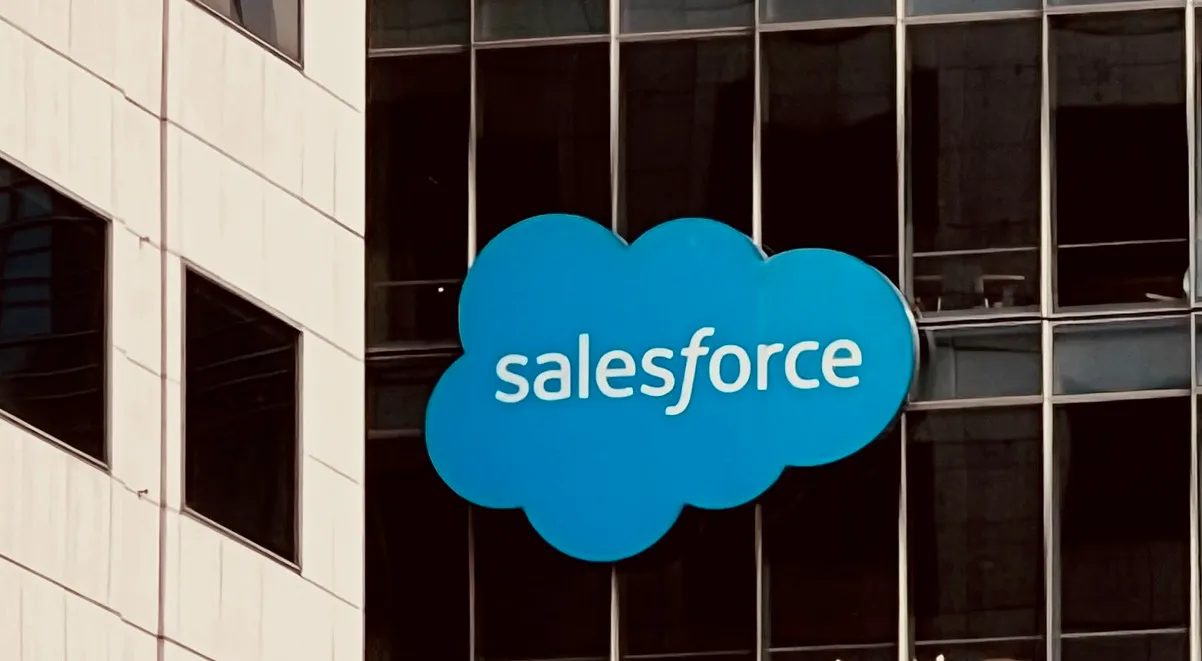
Salesforce cuts 86 roles in AI, IT integration, and marketing, offering severance packages up to 30 weeks, topping Oracle and Amazon.
Salesforce initiated a targeted round of workforce reductions across its artificial intelligence, IT integration, and marketing software divisions, signaling a strategic recalibration amid intense AI competition and shifting market demands. The move, impacting 86 positions, underscores the enterprise software giant's ongoing efforts to streamline operations and reallocate resources as its stock has declined more than 30% this year, reflecting investor apprehension about the impact of generative AI on traditional business models.
The job cuts primarily affected teams working on Agentforce, Salesforce's nascent artificial intelligence product, the Mulesoft IT integration platform, and its Marketing Cloud software suite. A California regulatory filing confirmed the eliminations, which spanned sales, general administration, technology, and product functions. Affected U.S. employees are being offered severance packages that can extend up to 30 weeks of base pay, a provision designed to cushion the transition and potentially mitigate broader reputational risks in a competitive talent market.
This latest round of layoffs follows an earlier reduction in January, which saw fewer than 1,000 roles eliminated from Salesforce's global workforce. The company, which employed over 80,000 individuals as of late January, is navigating a complex landscape where rapid advancements in large language models and autonomous agents are challenging the value proposition of established enterprise software solutions. My observation is that these adjustments are less about overall cost-cutting and more about a precise re-engineering of the organizational structure to align with future product priorities.
What It Means
From my perspective as someone deeply engaged with tech, startups, and product development, these layoffs at Salesforce are more than just a headcount reduction; they represent a critical inflection point in the enterprise software industry's response to the generative AI revolution. The targeting of Agentforce, Mulesoft, and Marketing Cloud teams suggests a strategic pivot, either refining the scope of existing AI initiatives or re-prioritizing where AI talent and investment are most effectively deployed. It points to the immense pressure on even market leaders to demonstrate tangible ROI from their AI product lines, moving beyond aspirational roadmaps to concrete, monetizable solutions.
The comparatively generous severance package, potentially offering up to 30 weeks of pay, indicates Salesforce's awareness of the intense competition for high-caliber tech talent, particularly in AI and integration domains. While reducing staff, the company aims to protect its employer brand and ensure that remaining employees and those departing feel valued. This approach acknowledges that even in a downsizing scenario, maintaining a positive reputation is crucial for future recruitment and innovation, especially in emerging technology areas where expertise remains scarce. It's a pragmatic move in a talent war that shows no sign of abating.
30 Weeks Severance
Salesforce is offering eligible U.S. employees affected by the latest layoffs severance packages extending up to 30 weeks of pay, a figure notably higher than many industry standards and indicative of a strategy to support transitioning employees while preserving employer brand in a competitive tech labor market.
The Context
Salesforce’s current strategic adjustments occur against a backdrop of significant investor unease, with the company's stock having declined by more than 30% this year. This downturn largely reflects market anxieties that the proliferation of advanced AI tools could disrupt demand for traditional enterprise software, including Salesforce’s foundational customer relationship management (CRM) platform. Investors are scrutinizing how quickly and effectively Salesforce can integrate and monetize generative AI capabilities into its core offerings to maintain its competitive edge.
The company has actively accelerated its own artificial intelligence development, pouring resources into initiatives like Agentforce. Despite this investment, early internal reports suggested Agentforce usage remained relatively low, and its initial capabilities did not fully meet promotional demonstrations. However, recent disclosures indicate that Agentforce has achieved tangible commercial progress, with annualized revenue crossing the $1 billion mark. This dual narrative of initial challenges followed by significant revenue growth highlights the complex journey of bringing sophisticated AI products to market within a large enterprise ecosystem.
What to watch in the coming months involves Salesforce's upcoming earnings calls, which will provide further clarity on the financial impact and strategic rationale behind these layoffs, particularly how they align with AI investment and product roadmaps. Key indicators will include updated guidance on headcount, any further restructuring announcements, and, crucially, continued reporting on the adoption and revenue growth of its AI-centric products like Agentforce. The market will closely monitor how Salesforce balances aggressive AI development with operational efficiency and profitability in a rapidly evolving competitive landscape.
Frequently asked questions
What divisions are impacted by the latest Salesforce layoffs?
The recent Salesforce layoffs primarily affect staff working on Agentforce, its AI product; Mulesoft, its IT integration platform; and Marketing Cloud software. A California filing confirmed 86 positions were eliminated.
How much severance pay are laid-off Salesforce employees receiving?
Eligible US employees affected by the Salesforce layoffs are being offered severance packages worth up to 30 weeks of base pay.
Is Salesforce offering more severance than other tech companies?
Yes, Salesforce's severance package of up to 30 weeks of pay is noted to be more substantial than those typically offered by companies like Oracle and Amazon.
Why is Salesforce conducting layoffs?
Salesforce is undergoing workforce reductions amid intensifying AI competition, investor concerns about demand for traditional enterprise software, and efforts to streamline operations.
How many employees did Salesforce lay off in this round?
This specific round of layoffs impacted 86 positions across sales, general administration, and technology and product functions.
How has Salesforce stock performed this year?
Salesforce stock has shed more than 30% of its value this year, driven by anxieties over AI competition and its impact on traditional enterprise software demand.