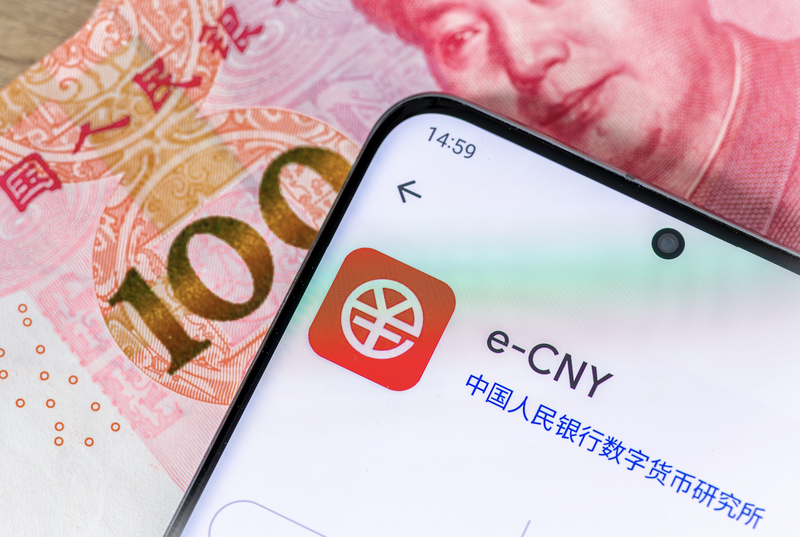
China's e-CNY expands its global reach as 26 institutions join the CBETS platform, signaling major shifts in international finance and remittances.
China is quietly but decisively reshaping the future of global finance. A significant development is unfolding as the nation pushes its digital currency, the e-CNY, onto the international stage, a move that has major implications for how money moves around the world and potentially impacts everything from international trade to remittances for everyday people.
The latest step sees 26 financial institutions formally signing on to the Cross-border e-CNY Transfer Services, or CBETS. This isn't just another incremental tech upgrade; it's Beijing actively building a parallel financial highway, designed to support round-the-clock digital payment links that bypass traditional, dollar-denominated systems. It represents a direct, strategic challenge to the established global financial order.
At its core, the e-CNY is China's Central Bank Digital Currency (CBDC), a digital version of its fiat currency. Unlike cryptocurrencies such as Bitcoin, it is issued and controlled by the People's Bank of China (PBOC). Domestically, the e-CNY has seen extensive trials, integrating into daily life across major cities, from transit payments to retail purchases. It has recorded numerous transactions, positioning China well ahead of most major economies in its CBDC rollout.
The CBETS platform now extends this digital infrastructure beyond China's borders. The 26 financial institutions involved likely include a mix of major state-owned commercial banks and smaller regional players, all poised to facilitate cross-border settlements using the digital yuan. The goal is to create a seamless, efficient, and direct channel for international payments, ostensibly reducing transaction costs and settlement times.
From an operator's perspective, this initiative signals a clear intent to internationalize the yuan in a digital format, circumventing some of the hurdles that have limited its global adoption in traditional banking channels. It offers a promise of real-time settlement and enhanced traceability, which holds appeal for certain types of cross-border trade and investment, particularly within China's sphere of influence.
The Geopolitical Game Behind the Digital Yuan
What strikes me here is that this move is far more than an efficiency play; it's a profound geopolitical maneuver. For years, the global financial system has operated largely on rails built around the U.S. dollar, with institutions like SWIFT serving as critical communication arteries. China's digital yuan push, particularly its cross-border expansion, represents a strategic effort to diversify away from this reliance. It's about financial sovereignty and building resilience against potential sanctions or financial leverage wielded by other nations.
The concept of de-dollarization, while often discussed, takes on a tangible form with platforms like CBETS. By offering an alternative, state-backed digital currency for international settlements, China aims to reduce its vulnerability to the U.S. financial system. This is a crucial element of its long-term economic and security strategy, particularly as geopolitical tensions continue to simmer.
This development needs to be viewed in context with China's broader Belt and Road Initiative (BRI). The BRI involves massive infrastructure and investment projects across Asia, Africa, and Europe, creating extensive trade corridors. Integrating the digital yuan into these corridors through CBETS offers a powerful new tool for facilitating trade and investment with participating nations, further solidifying China's economic ties without necessarily going through dollar-denominated intermediaries. It builds a parallel financial architecture that aligns with Beijing's strategic objectives, creating a clearer trend line towards a more multipolar global financial system.
What This Means for North American Businesses and Beyond
For North American businesses, investors, and policymakers, this isn't just news from a distant land; it signals a fundamental shift in the global financial landscape that demands attention. Companies engaged in international trade, especially those with supply chain dependencies or sales in Asia, will need to closely monitor how the digital yuan and CBETS evolve. It presents both potential opportunities for more efficient transactions and new complexities related to currency risk and compliance.
My read is that while the immediate impact on the U.S. dollar's reserve currency status might be limited, China is playing a very long game. This platform is an early step towards building an ecosystem that, over decades, could chip away at the dollar's dominance. North American financial institutions, especially those with international operations, will likely face pressure to understand and potentially interact with these new digital rails. The question of interoperability, and whether Western banks can or will connect to CBETS, becomes a critical point of strategic debate.
The broader implications extend to the innovation landscape. The U.S. has been relatively cautious regarding a digital dollar, often citing privacy concerns and the potential disruption to the existing banking system. China's aggressive push with CBETS might accelerate these discussions, forcing a re-evaluation of America's own digital currency strategy or a renewed focus on enhancing existing payment systems to maintain competitiveness and relevance in a rapidly changing world.
However, the global adoption of the digital yuan faces significant hurdles. Trust remains a primary concern, particularly regarding data privacy and the potential for surveillance. While the promise of efficiency is strong, many nations and financial institutions in North America and Europe may hesitate to fully embrace a system controlled by a foreign central bank, especially given geopolitical considerations and differing regulatory frameworks. The balance between control and global acceptance will be a delicate one for Beijing to manage.
The success of CBETS will hinge not just on its technical prowess but on its ability to build a network effect and overcome these inherent trust deficits. It requires a willingness from sovereign nations and their financial sectors to engage with a new financial infrastructure that operates outside the long-established Western-dominated norms. This means navigating complex regulatory and political landscapes, which are often slower to adapt than technological advancements.
Ultimately, China's onboarding of 26 financial institutions to its cross-border digital yuan platform is a clear signal of intent. It's a foundational step in a long-term strategy to establish a parallel, digital financial infrastructure that offers an alternative to the existing dollar-centric system. The global financial system is undergoing a quiet but profound transformation, and this move by China is a significant marker, pushing the conversation about the future of money and power into a new, more urgent phase. The coming years will reveal just how many global players are willing to venture onto these new digital rails.
Frequently asked questions
What is the CBETS platform?
The CBETS (Cross-border e-CNY Transfer Services) is an integrated cross-border settlement platform that supports round-the-clock digital payment links. It enables participants to facilitate digital yuan transactions internationally, aiming to streamline global payments.
How many financial institutions have joined China's digital yuan platform?
26 financial institutions have signed up to join China's digital yuan cross-border payment platform.
What is the significance of the digital yuan's cross-border expansion?
The expansion signifies China's push to reshape global finance, with major implications for international trade, remittances, and the future of digital currencies worldwide.
What is the e-CNY?
The e-CNY is China's digital currency, also known as the digital yuan. It is a central bank digital currency (CBDC) designed for electronic transactions.
Who developed the CBETS platform?
The CBETS platform is a Chinese initiative, likely spearheaded by the People's Bank of China or associated financial bodies, to facilitate international digital yuan settlements.
How will this impact global remittances?
The platform aims to provide more efficient and potentially lower-cost digital payment links, which could significantly streamline remittances for individuals and businesses sending money across borders.