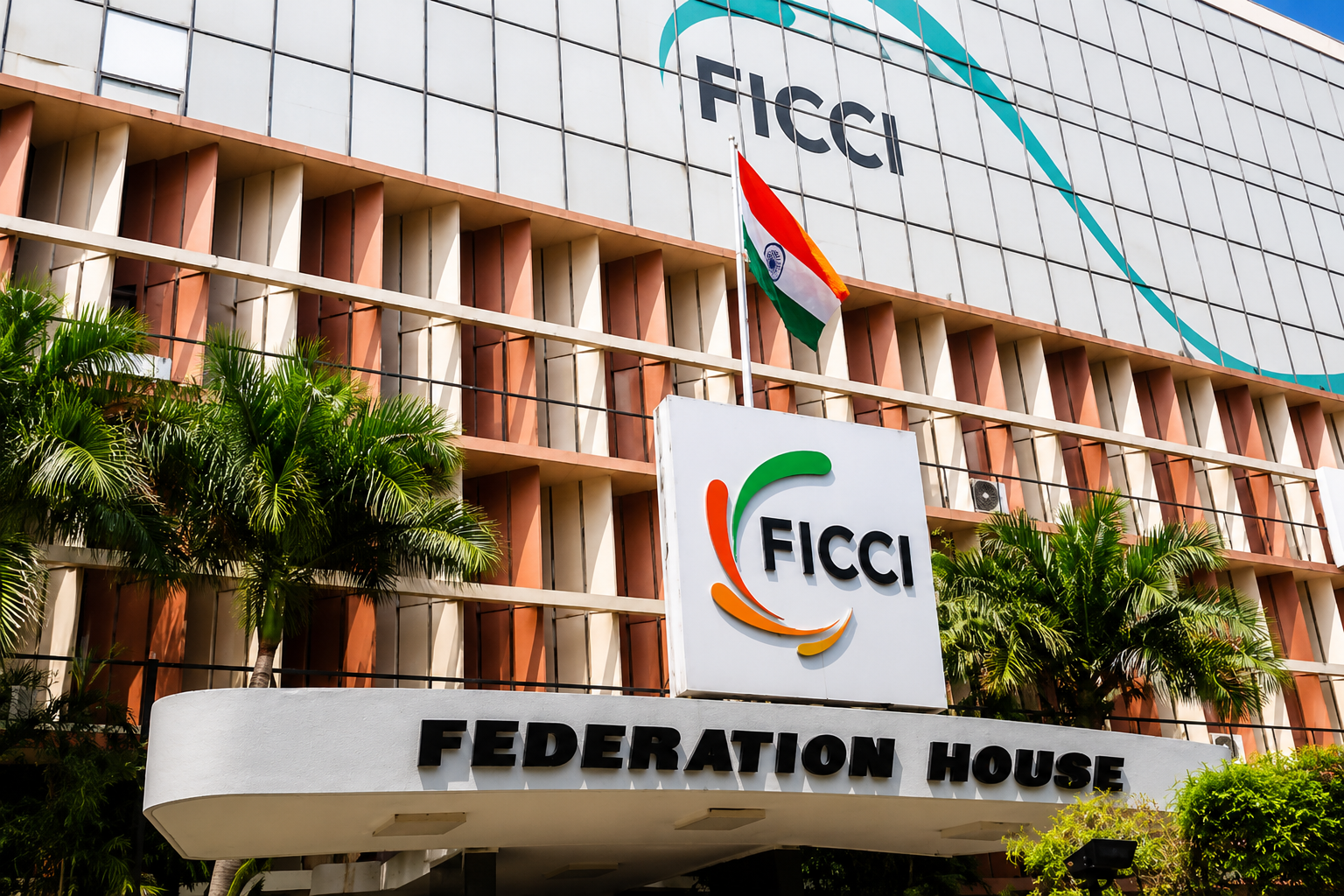
India's FICCI inaugurates new Family Office Forum, aiming to channel $30 billion from domestic wealth into the startup and innovation sectors.
FICCI Launches Family Office Forum to Unlock $30 Billion for India's Startup Ecosystem
The Federation of Indian Chambers of Commerce and Industry (FICCI) has inaugurated a dedicated Family Office Forum, a strategic move poised to channel an estimated $30 billion from domestic family capital into India's burgeoning startup and innovation sectors. This initiative aims to professionalize and accelerate the flow of indigenous wealth into high-growth ventures, potentially reshaping the funding landscape for next-generation companies.
The newly established platform is designed to bridge the gap between India's approximately 300 prominent family offices and the dynamic startup ecosystem. It provides a structured framework intended to facilitate dialogue, streamline deal flow, and foster co-investment opportunities, addressing long-standing challenges in connecting these distinct capital sources.
FICCI's broader ambition for the forum involves cultivating a robust, pan-India network of family offices, systematically curating deal pipelines, organizing demo days, and enabling shared due diligence with startups and established venture capital firms. This coordinated approach seeks to mitigate investment risks and enhance collaboration across the spectrum of early-stage funding.
Beyond investment facilitation, the forum is also positioned to serve as a unified voice for family offices on critical policy, taxation, and regulatory matters. This collective representation aims to advocate for an environment conducive to long-term capital deployment, aligning with national economic growth objectives.
What does this mean for India's startup ecosystem?
The formalization of a dedicated family office platform signifies a maturation in India's domestic capital markets, indicating a strategic shift from traditional asset classes towards alternative investments and direct equity participation. This initiative could significantly diversify the funding sources available to Indian startups, which have historically relied heavily on foreign venture capital or a fragmented network of individual angel investors.
By offering a structured environment for deal discovery and co-investment, the forum addresses inherent information asymmetries and due diligence complexities often faced by family offices operating independently. This enhanced transparency and shared expertise could lead to more informed investment decisions and potentially unlock patient capital that is less sensitive to short-term market fluctuations compared to institutional funds.
My read is that this development could foster a more resilient and locally-backed innovation economy, reducing the reliance on external funding sources that can be prone to global macroeconomic shifts. It positions Indian family offices not merely as passive wealth holders but as active participants in shaping the country's technological and entrepreneurial future, driving economic sovereignty in innovation.
India's 300 family offices collectively hold over $30 billion in investable capital, a substantial pool targeted by FICCI's new forum to fuel the nation's burgeoning startup sector.
What is the historical context of family office investing in India?
Historically, wealth management in India for ultra-high-net-worth individuals and families has largely revolved around traditional avenues such as real estate, public equities, fixed income, and commodities like gold. Direct investment into startups or alternative assets, while present, was often ad hoc, relationship-driven, and lacked the institutional rigor seen in more developed markets.
However, the past decade has witnessed a pronounced shift, propelled by the generational transfer of wealth and the increasing professionalization of family offices. Younger generations, often with global exposure and an appetite for higher-risk, higher-reward opportunities, are advocating for diversified portfolios that include venture capital and private equity. This evolution reflects a global trend where family offices are increasingly behaving like institutional investors, often competing directly with traditional venture capital firms for promising deals.
Sanjeev Bikhchandani, chair of the FICCI Startup Committee and founder and executive vice-chairman of Info Edge, underscored this evolving dynamic, stating that family offices are "emerging as a serious, professional source of capital for the country's economic growth." He emphasized their distinct needs compared to venture capital firms, particularly concerning investment strategies, regulatory frameworks, and taxation issues, which necessitate a dedicated platform for collaboration and knowledge exchange.
What are the broader global implications?
This move by FICCI aligns India with a global trend where domestic capital increasingly underpins national innovation ecosystems. In markets like the United States and Europe, family offices have long been significant, albeit often discreet, players in the venture capital landscape, providing crucial seed and early-stage funding. India's formalization of this segment could accelerate its integration into the global alternative investment matrix.
The creation of a centralized forum could also enhance cross-border co-investment opportunities. As Indian family offices become more sophisticated and globally networked, they may seek to partner with international family offices or funds on multi-market ventures. This could further solidify India's position as a critical hub in the global innovation economy, attracting and retaining capital within its borders.
Investors and market observers will be closely watching the forum's initial success metrics, including the volume and value of deals facilitated, the diversity of startups funded, and any tangible policy recommendations it generates. Key triggers for further market impact will include regulatory adaptations that specifically cater to family office investments and the demonstrable growth of companies backed through this new channel, signaling a transformative era for domestic capital in India's startup journey.
Frequently asked questions
What is the primary goal of the FICCI Family Office Forum?
The FICCI Family Office Forum aims to professionalize and accelerate the flow of an estimated $30 billion from domestic family capital into India's startup and innovation sectors, fostering economic growth and job creation.
How much capital is the forum expected to unlock?
The forum is expected to unlock an estimated $30 billion in domestic family capital.
Which sectors will benefit from this initiative?
The initiative primarily targets India's burgeoning startup and innovation sectors.
Who organized the Family Office Forum?
The Federation of Indian Chambers of Commerce and Industry (FICCI) inaugurated the forum.
Why is the forum important for India's economy?
It's crucial for channeling significant domestic wealth into high-growth sectors, reducing reliance on foreign capital and boosting indigenous innovation.
What is a 'Family Office' in this context?
A Family Office typically refers to private wealth management advisory firms that serve ultra-high-net-worth individuals, managing their investments and financial affairs.