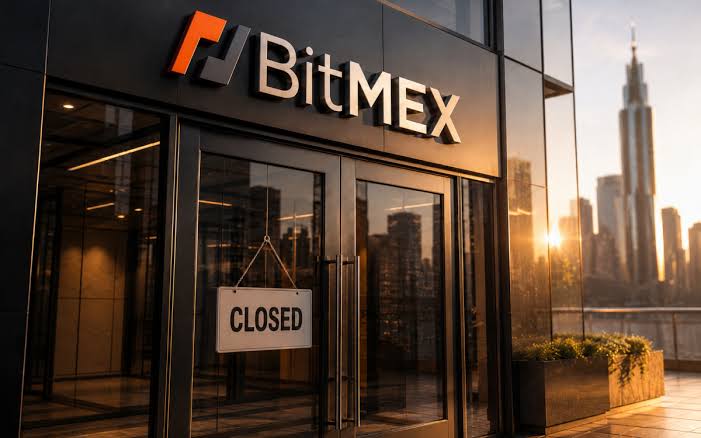
The pioneering crypto derivatives exchange, known for the perpetual swap, will cease operations by Sept 2026, impacting digital asset trading and investors.
BitMEX, the pioneering cryptocurrency derivatives exchange known for introducing the perpetual swap, is set to cease all operations by September 23, 2026, marking the definitive end of an 11-year operational run that fundamentally reshaped digital asset trading. This shutdown, announced after a strategic review by its parent company, signals a significant recalibration for investors and market makers who have relied on its established liquidity, potentially accelerating shifts in trading volumes to competing platforms.
The venue has officially notified its user base, urging them to close all open positions and withdraw their digital assets with immediate effect. Any funds remaining on the platform beyond the September 23, 2026, 04:00:00 UTC deadline will be subject to automatic financial penalties, including a monthly maintenance fee of $50 or an annualized levy of 1% on the total asset value, according to email communications sent to account holders.
New account registrations have been halted immediately, underscoring the finality of the decision. BitMEX operators will systematically force close all remaining open contracts before the ultimate September deadline to ensure an orderly market exit and mitigate potential disruptions.
The Evolving Derivatives Landscape
BitMEX's exit signifies the completion of a multi-year trend where pioneering but often less-regulated platforms lost ground to more compliant, diversified, and user-friendly competitors. This pivotal event accelerates the institutionalization of crypto derivatives, favoring exchanges with robust regulatory frameworks and broader product offerings. The landscape has demonstrably shifted from a focus on high leverage and anonymity towards adherence to global anti-money laundering (AML) and know-your-customer (KYC) standards.
The firm's decision follows years of ceding significant market share in the perpetual futures sector it pioneered. Liquidity, along with critical market makers and high-volume traders, has progressively migrated to rival centralized platforms like Binance and Bybit, which offer deeper order books, a wider array of listed assets, and increasingly diversified financial products. Concurrently, the rise of decentralized derivatives venues such as dYdX and GMX has presented alternative trading environments, appealing to segments of the market seeking non-custodial solutions.
Background: A Pioneer's Troubled Legacy
Co-founded in 2014 by Arthur Hayes, BitMEX rapidly redefined the global crypto market by introducing the 100x leverage perpetual swap. This innovative financial instrument allowed traders to speculate on the future price of cryptocurrencies without an expiry date, driving unprecedented volumes and liquidity into the nascent digital asset space.
The Regulatory Imperative and Competitive Shift
The "legal hangovers" and intense regulatory enforcement actions against BitMEX served as a stark warning across the digital asset industry, prompting competitors to prioritize compliance and licensing in various jurisdictions. This global regulatory push, particularly intensified around AML and KYC standards, directly contributed to the market share migration observed over recent years. Exchanges that successfully adapted to these tightening controls were better positioned to attract institutional capital and risk-averse retail traders.
The company, through its eleven-year tenure, fundamentally shaped how traders interact with cryptocurrency derivatives, creating a template that numerous other exchanges subsequently adopted.
As BitMEX prepares to wind down, market participants will closely monitor the seamless execution of its asset withdrawal process. The redeployment of liquidity from former BitMEX users and market makers will be a key indicator for competing derivatives platforms. This event is expected to further consolidate the crypto derivatives space, placing increased pressure on smaller or less-compliant offshore exchanges to either adapt to prevailing regulatory frameworks or face similar existential challenges.
Frequently asked questions
When will BitMEX officially cease operations?
BitMEX has announced that it will officially cease all operations by September 23, 2026. This date marks the definitive end of its 11-year operational run, giving users ample time to manage their assets and positions.
Why is BitMEX shutting down?
The shutdown follows a strategic review by BitMEX's parent company, though specific reasons beyond this review have not been fully disclosed in the article preview.
What is the perpetual swap, and how did BitMEX contribute to it?
The perpetual swap is a type of derivatives contract that allows traders to speculate on the price of an asset without an expiry date, and BitMEX is widely credited with pioneering its widespread adoption in cryptocurrency markets.
How will the BitMEX shutdown affect crypto investors?
The shutdown signals a significant recalibration for investors and market makers who have relied on BitMEX for its unique offerings, potentially leading to shifts in trading volumes to other platforms.
What steps should BitMEX users take?
BitMEX users should begin planning to withdraw funds and close open positions well in advance of the September 2026 deadline to avoid any last-minute complications.
Are other crypto exchanges expected to shut down as well?
While BitMEX's shutdown is a significant event, there is no immediate indication from the preview that other major crypto exchanges are also planning to cease operations.