Japan's landmark move to classify crypto as financial assets signals deeper market integration, setting a global precedent. What does this mean for Indian investors?
Japan Elevates Crypto to Financial Asset Status, Signaling Broader Market Integration
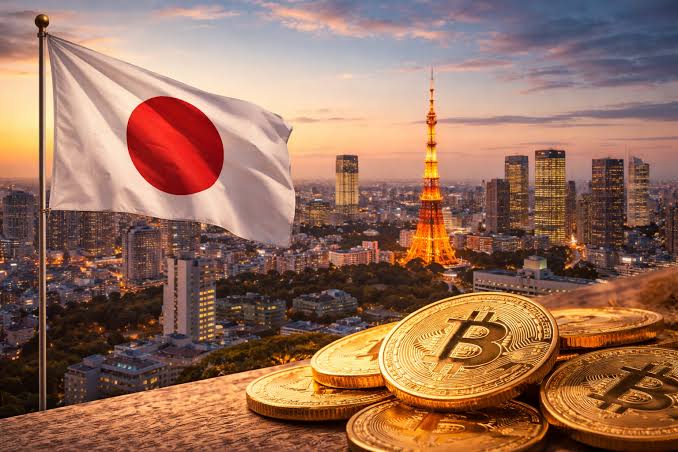
Japan's recent legislative action to classify cryptocurrencies as financial assets marks a significant regulatory milestone, signaling increased legitimacy for the digital asset class and potentially attracting deeper institutional capital into the market. This reclassification positions Japan at the forefront of global efforts to integrate virtual currencies into traditional financial frameworks, profoundly influencing investor sentiment across Asia and beyond.
The move means that virtual assets, including Bitcoin, will now be subjected to a regulatory oversight regime comparable to conventional securities and investment instruments. This places digital currencies under the purview of Japan's existing financial laws, ensuring greater scrutiny regarding anti-money laundering (AML) protocols, consumer protection, and market integrity standards.
This redefinition could unlock new product development avenues for financial institutions, paving the way for regulated crypto exchange-traded funds (ETFs) and derivatives. Traditional banks and asset managers, previously hesitant due to regulatory ambiguities, may now find a clearer path to offering virtual asset services and investment products to their client bases.
What It Means for Global Markets
Japan's proactive stance on crypto regulation sharply contrasts with the more fragmented and uncertain approaches observed in other major global economies. While the European Union progresses with its comprehensive Markets in Crypto-Assets (MiCA) framework and China maintains its stringent ban on crypto trading, the United States continues to grapple with varying classifications and oversight across different agencies, creating a complex and often unpredictable environment for digital asset firms.
The clarity provided by Tokyo's decision could inspire similar legislative pushes in other G7 nations, potentially accelerating the global trend towards formal recognition and integration of virtual assets. Increased institutional participation, driven by enhanced regulatory certainty, is anticipated to foster greater market stability and liquidity, mitigating the extreme volatility often associated with retail-driven crypto speculation.
Japan's reclassification of cryptocurrencies as financial assets represents a pivotal shift, elevating digital currencies to a regulatory status comparable to traditional securities and investment instruments. This foundational change underscores a global trend towards integrating virtual assets into established financial frameworks.
The Context of Japan's Crypto Stance
Japan has historically maintained a pioneering yet cautious approach to cryptocurrency regulation, having been one of the first major economies to implement a licensing regime for crypto exchanges following the infamous Mt. Gox collapse. This latest decision is a natural evolution of its existing regulatory architecture, which previously recognized virtual currencies under the Payment Services Act.
The government's long-standing emphasis on technological innovation, coupled with a robust financial sector, has fostered an environment where digital transformation and blockchain adoption are actively explored within a regulated context. This strategic alignment positions Japan to capitalize on the growth of the digital asset economy while mitigating systemic risks.
What Analysts Suggest
Market observers widely anticipate that this formal recognition will spur significant innovation within Japan's fintech sector, attracting further foreign direct investment into its burgeoning digital asset ecosystem. The move is broadly seen as a positive catalyst for the long-term growth and maturation of the global crypto market, particularly in terms of legitimacy and mainstream acceptance.
Analysts suggest a potential for yield spreads on crypto-related financial products to tighten as regulatory certainty reduces perceived risk, making them more attractive to a wider array of institutional investors seeking diversified portfolios. This could lead to a re-evaluation of risk-adjusted returns for digital assets compared to traditional instruments.
Investors and market participants will closely monitor the specific implementation guidelines issued by Japan's Financial Services Agency (FSA) and the subsequent response from both domestic and international financial firms. Key triggers to watch include the launch of new regulated crypto investment products and any ripple effects on regulatory discussions in other significant financial jurisdictions.
Frequently asked questions
What does Japan's crypto financial asset status mean for Indian investors?
Japan's reclassification of cryptocurrencies as financial assets legitimizes the asset class, potentially influencing global regulatory trends and attracting institutional capital. For Indian investors, this move could signal future shifts in India's own crypto policy and market sentiment, potentially leading to more regulated and stable investment opportunities.
How does Japan's new crypto classification impact global regulation?
Japan's progressive stance sets a precedent for other nations, potentially encouraging a more unified and regulated approach to cryptocurrencies worldwide. This could lead to increased clarity and reduced uncertainty for digital asset markets globally.
Will institutional investors increase their crypto exposure after Japan's decision?
Yes, the reclassification by a major economy like Japan is expected to boost institutional confidence in cryptocurrencies, potentially leading to greater capital inflows and broader market integration.
What is the significance of crypto being a 'financial asset'?
Classifying crypto as a financial asset means it's recognized under existing financial laws, offering investors more protection and bringing it under regulatory oversight, similar to stocks or bonds.
How might India respond to Japan's crypto regulatory move?
While India has its own unique regulatory considerations, Japan's move could prompt Indian policymakers to re-evaluate their approach to crypto, potentially moving towards a more structured and regulated framework in the long term.
Where does Japan stand on crypto regulation compared to other countries?
Japan has long been a frontrunner in crypto regulation, being one of the first to license crypto exchanges. This latest move solidifies its position as a progressive leader in integrating digital assets into its financial system.