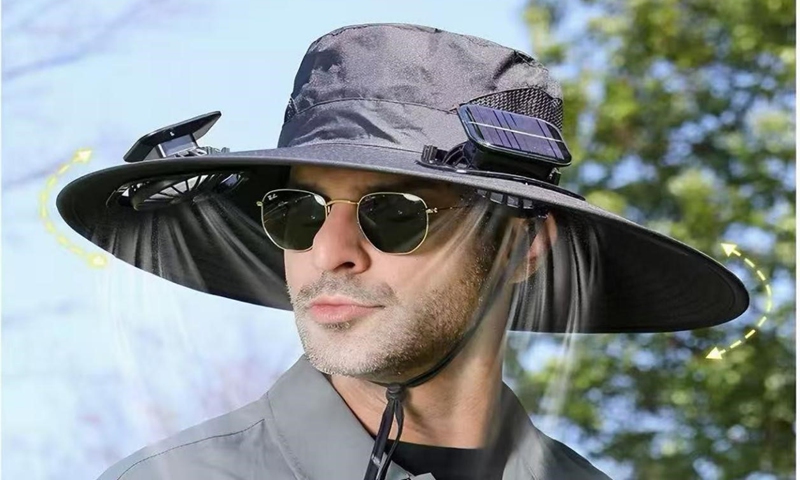
As temperatures rise, European consumers pivot to innovative Chinese-made portable cooling solutions, impacting global trade and energy demand.
European consumers are increasingly turning to Chinese-made portable cooling gadgets, including 'fan hats,' handheld fans, cooling towels, and patches, marking a strategic pivot in climate adaptation strategies that carries significant implications for consumer spending, energy demand, and global trade flows. This burgeoning market for personal climate solutions highlights a broader shift away from energy-intensive whole-home cooling towards more localized and sustainable alternatives, reflecting evolving responses to persistent heatwaves and elevated energy costs across the continent.
The noticeable surge in demand for these compact devices follows previous periods of heightened purchases of larger, more traditional Chinese-made air conditioning units. This trend underscores a proactive consumer response to warmer summers, with households prioritizing immediate, accessible, and often battery-powered relief over costly and grid-dependent infrastructure. The rapid proliferation of these items through e-commerce platforms and retail channels signals a robust, albeit nascent, market segment within the broader consumer electronics landscape.
Manufacturers in China, benefiting from established supply chain efficiencies and economies of scale, have been quick to meet this escalating European demand. The product range, characterized by its portability, affordability, and low energy consumption, resonates with a consumer base grappling with record-breaking temperatures and an acute awareness of energy utility expenditures. This dynamic is fostering new trade corridors and reinforcing China's position as a dominant supplier of adaptable consumer goods for global climate challenges.
How is Europe Adapting to Persistent Heatwaves?
Europe's adoption of personal cooling devices represents a pragmatic, decentralized approach to climate adaptation, moving beyond the traditional reliance on centralized air conditioning. This shift is driven by multiple converging factors: the increasing frequency and intensity of heatwaves, the continent's concerted efforts towards energy conservation, and the growing consumer preference for flexible, immediate relief. The economic footprint of these smaller devices, both in terms of upfront cost and operational energy expenditure, presents an attractive alternative for millions.
The focus on localized cooling solutions also reflects a societal adaptation to warmer environments, integrating personal comfort into daily routines without significant infrastructural overhauls. This contrasts sharply with the energy demands of large-scale air conditioning, which can strain national grids during peak consumption periods and contribute to higher carbon footprints. The portability of these gadgets enables individuals to maintain comfort whether commuting, working outdoors, or simply moving within their homes, extending cooling relief beyond static environments.
The surge in demand for Chinese-made personal cooling devices signals a significant re-prioritization of consumer spending, reflecting a substantial reallocation of household budgets towards immediate climate adaptation strategies across European markets.
What Factors Drive This European Consumer Shift?
The primary driver behind this shift is the undeniable escalation of global temperatures, particularly the sustained and extreme heatwaves witnessed across Europe in recent years. These climatic events have not only caused discomfort but have also posed significant public health risks, prompting consumers to seek immediate and practical solutions for personal thermal regulation. The psychological impact of consecutive record-breaking summers has catalyzed a proactive purchasing behavior previously less pronounced for such niche cooling products.
Furthermore, the ongoing energy crisis and persistently high electricity prices in many European nations have amplified the appeal of low-power cooling solutions. Households are acutely aware of the operational costs associated with traditional air conditioning units, making energy-efficient alternatives financially attractive. A handheld fan, consuming minimal battery power, offers a stark contrast to a multi-kilowatt HVAC system, aligning with both personal comfort and fiscal prudence.
Beyond climate and cost, the sheer accessibility and diverse range of products available from Chinese manufacturers play a crucial role. The agility of China's manufacturing sector to innovate and scale production rapidly, coupled with efficient global logistics, ensures that a wide array of cooling gadgets can quickly reach European markets through established e-commerce channels. This robust supply chain ensures consumer choice and competitive pricing, further stimulating demand.
What are the Long-Term Economic Implications of Personal Cooling Trends?
The sustained demand for personal cooling devices carries several long-term economic implications, particularly for global trade and consumer electronics markets. Firstly, it strengthens the trade ties between Europe and China in the consumer goods sector, further embedding Chinese manufacturing into the daily lives of European citizens. This trend could lead to increased foreign direct investment in manufacturing capabilities that cater specifically to climate adaptation products.
Secondly, it signals a potential shift in investment priorities within the climate tech sector. While large-scale renewable energy and infrastructure projects remain paramount, the "micro-climate" adaptation market for individual consumers is proving to be a robust and rapidly expanding segment. This could attract venture capital and R&D into more advanced, personal cooling technologies, focusing on greater efficiency, novel materials, and integrated smart features.
Lastly, European retailers and e-commerce platforms are poised to benefit from this expanding category, integrating these products more prominently into their seasonal offerings. The trend also presents an opportunity for European brands to innovate or partner in this space, potentially focusing on premium, sustainable, or technologically advanced personal cooling solutions to cater to evolving consumer preferences and regulatory standards. The continued evolution of these products will reflect a balance between affordability, sustainability, and effective personal thermal management.
Moving forward, market watchers will be closely observing several key indicators, including the severity of upcoming summer heatwaves, the trajectory of European energy prices, and any potential shifts in trade policies between the European Union and China. Innovation in battery technology and wearable cooling solutions will also be crucial, as will the emergence of new materials that offer enhanced thermal regulation. The ongoing adaptation of consumer behavior and market responses to these climatic pressures will define the next phase of growth in the personal cooling sector.
Frequently asked questions
Why are Europeans buying Chinese 'fan hats' and cooling gadgets?
Europeans are increasingly purchasing Chinese-made 'fan hats' and portable cooling gadgets as a strategic response to rising temperatures and the need for personal climate adaptation. This trend reflects a broader shift in consumer behavior towards effective personal cooling solutions.
What types of Chinese cooling products are popular in Europe?
Popular Chinese cooling products in Europe include 'fan hats,' handheld fans, cooling towels, and cooling patches, all designed for personal climate comfort.
How does this trend impact global trade?
This growing demand for Chinese cooling gadgets significantly impacts global trade flows, boosting exports from China and influencing import strategies in European markets.
What are the implications for consumer spending?
The pivot towards personal climate solutions suggests a strategic shift in consumer spending, with households allocating more budget towards adaptive technologies to combat heat.
Does this affect energy demand?
Yes, the increased use of portable cooling gadgets, while individual, contributes to overall energy demand, especially as more people seek personal climate control.
What is a 'fan hat'?
A 'fan hat' is a type of headwear equipped with a small, often battery-operated fan, designed to provide personal cooling for the wearer, particularly useful in hot weather.