Italian cable giant Prysmian secures a decade-long, multi-billion euro agreement with Molex to fuel the surging global data center demand, especially in the US.
Prysmian, the Italian cable manufacturing giant, has inked a landmark long-term agreement with Molex, valued at up to €5.5 billion over a decade. This strategic deal positions Prysmian to supply crucial fiber optic cables for the rapidly expanding data center sector, fueled by an insatiable global demand for digital infrastructure, particularly within the United States.
The agreement signifies a significant expansion for Prysmian into the internal cabling of data centers, building on its existing portfolio of power and long-distance submarine cables. This strategic deal is expected to provide greater certainty for Prysmian's profit margins and future outlook.
What is driving this massive infrastructure deal?
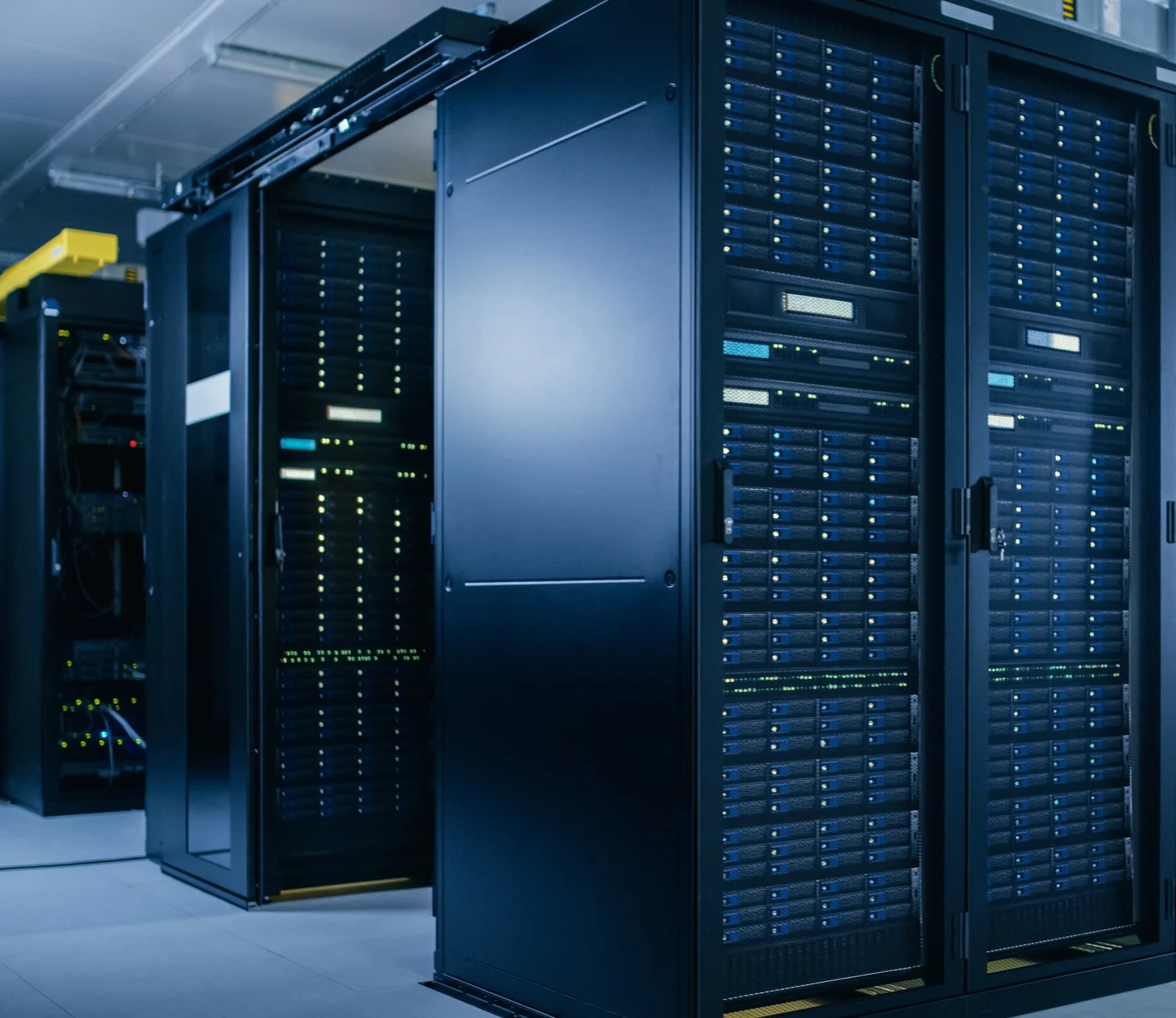
At the heart of this colossal deal is the exploding growth of data centers, the physical infrastructure that underpins the entire digital economy. These vast, energy-hungry facilities are essentially the digital warehouses of the modern world, housing the servers, storage systems, and networking equipment required to process, store, and transmit unimaginable quantities of data. The recent surge in artificial intelligence (AI) development, particularly large language models and generative AI, has supercharged this demand, requiring unprecedented computing power and, critically, ultra-fast data transfer capabilities.
Think of data centers as enormous brains, and fiber optic cables as the neural pathways connecting every part of that brain at the speed of light. Without these high-capacity connections, the processing power of thousands of servers would be bottlenecked, rendering complex AI computations and real-time cloud services impractical. This makes fiber optic infrastructure a foundational element of the digital age, much like roads and electricity grids were for the industrial era, absolutely indispensable for moving massive datasets between processors and memory units within the same facility.
The company has described this investment and the associated agreements as a "transformative moment" for its Digital Solutions business. This move is not merely about securing a large contract; it's a strategic pivot to capitalize on the profound shift towards AI-driven computing and hyperscale cloud infrastructure, anticipating and meeting the future demands of digital transformation.
How will Prysmian expand its capacity to meet demand?
To fulfill the terms of this decade-long agreement and position itself for future growth, Prysmian has committed to a substantial investment of €1.25 billion. This capital injection is earmarked for significantly expanding its global optical cable and fiber production capabilities, with a key focus of this expansion in the United States.
This expansion is projected to create 1,000 new jobs globally, with a significant portion—600 new positions—specifically slated for the United States. This commitment to domestic manufacturing aligns with broader economic and strategic goals in the U.S. to strengthen supply chains and foster critical infrastructure independence, particularly in high-tech sectors. It addresses concerns about reliance on overseas production for components vital to national digital security and economic competitiveness.
For Molex, securing a long-term supply from Prysmian allows it to maintain focus on its business, while ensuring a reliable, high-volume source for the specialized fiber optic components demanded by its data center clients. This type of strategic partnership is common in complex supply chains, enabling each company to leverage its specific expertise and scale.
Why is U.S. production capacity so important?
The emphasis on expanding production within the United States is particularly noteworthy. In an era where geopolitical tensions and supply chain disruptions can quickly impact global industries, having robust domestic manufacturing capabilities for critical components like fiber optic cables is a strategic imperative. For the U.S., increasing local production of fiber optics contributes to supply chain resilience, reduces lead times for critical projects, and potentially mitigates the risks associated with international trade fluctuations and tariffs.
Furthermore, the creation of 600 new jobs in the United States represents a tangible economic benefit and reinforces the "Made in USA" initiative for advanced manufacturing. This not only boosts local economies but also builds a skilled workforce capable of supporting the ongoing digital transformation. The presence of strong domestic producers is vital for the long-term health and security of the nation's digital infrastructure, ensuring a reliable supply of the building blocks for next-generation networks and data centers.
This investment also plays into the broader U.S. government focus on infrastructure development, including initiatives aimed at expanding broadband access and supporting advanced technologies. Prysmian is positioning itself to be a key beneficiary and enabler of these national priorities, providing essential materials for both public and private sector projects at a crucial time for domestic infrastructure renewal.
What specific technical demands does AI place on fiber optics?
Modern AI workloads, such as training massive neural networks or
Frequently asked questions
What is the Prysmian-Molex deal about?
Prysmian has signed a long-term agreement with Molex, valued at up to €5.5 billion over a decade, to supply crucial fiber optic cables for the rapidly expanding data center sector globally.
How much is the Prysmian-Molex deal worth?
The strategic agreement between Prysmian and Molex is valued at up to €5.5 billion, spread over a ten-year period.
What will Prysmian supply under this agreement?
Under this landmark deal, Prysmian will supply critical fiber optic cables, essential components for modern digital infrastructure.
Which industry is primarily targeted by this deal?
The deal primarily targets the rapidly expanding data center sector, driven by increasing global demand for digital services and connectivity.
Why is this deal significant for Prysmian?
This agreement significantly positions Prysmian as a key supplier for the global data center industry, capitalizing on the immense demand for digital infrastructure and securing a substantial long-term revenue stream.
What is Molex's role in this agreement?
Molex is the counterparty in this agreement, receiving the fiber optic cables from Prysmian to support its operations and supply chain within the data center market.