Overwhelming user demand forced Chinese AI startup Moonshot AI to halt new Kimi K3 subscriptions days after launch. Discover why this advanced, low-cost AI model faced an unexpected pause.
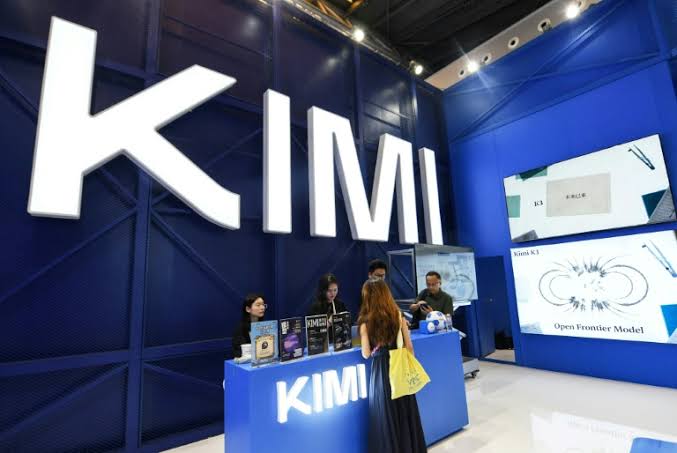
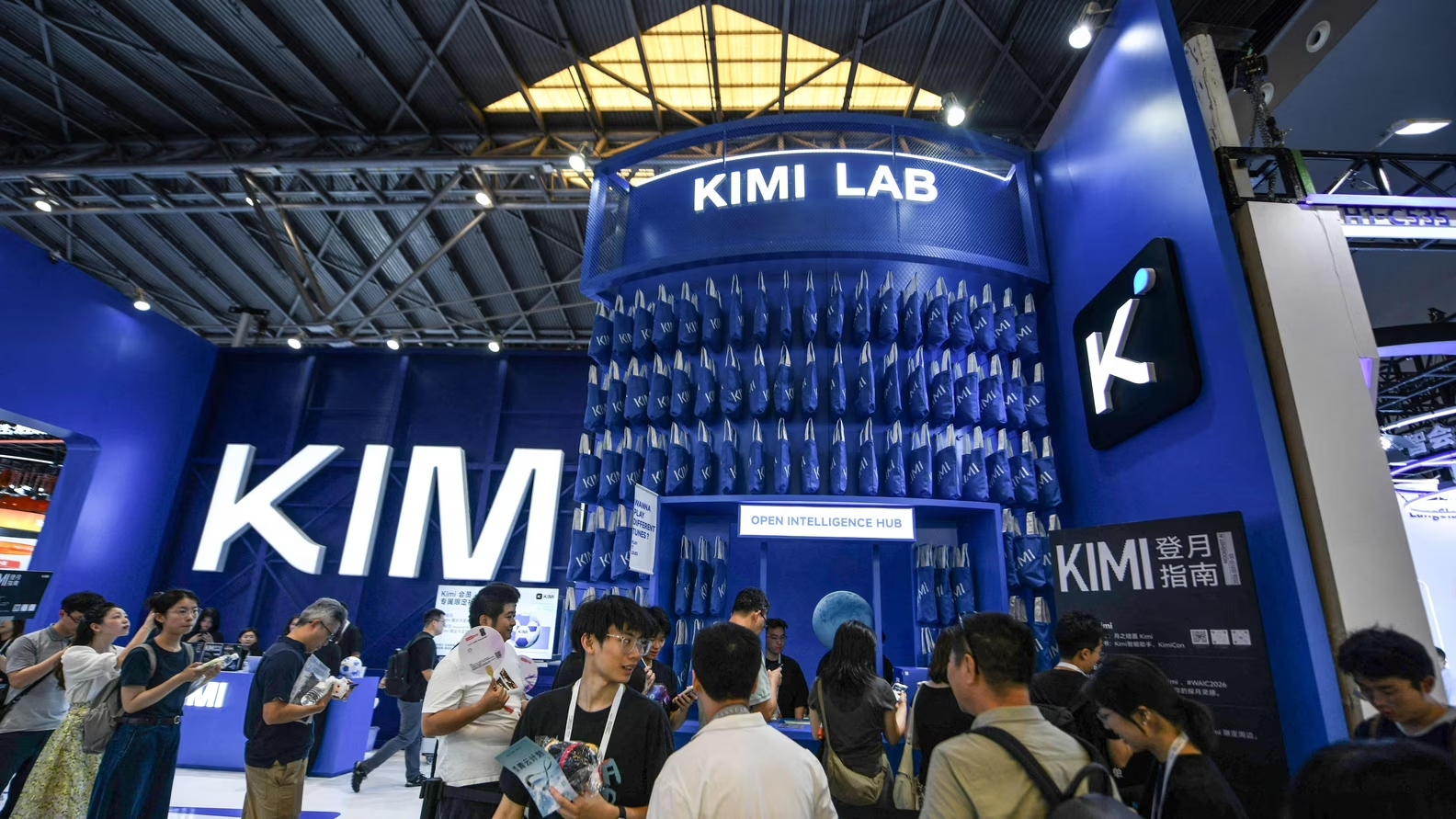
Chinese AI startup Moonshot AI temporarily halted new subscriptions for its Kimi K3 model within days of its launch due to overwhelming user demand. The advanced AI model gained rapid attention for its high-end coding performance combined with a significantly lower operational cost compared to leading competitors. The unexpected pause signals both the intense appetite for cutting-edge artificial intelligence solutions and the inherent scaling challenges faced by even well-funded technology firms. Kimi K3's sudden popularity underscores a pivotal moment in the global AI race, particularly as non-Western companies demonstrate their ability to compete on performance and price. This disruption forces a reevaluation of market strategies among established players.
Why did Moonshot AI pause Kimi K3 subscriptions?
Moonshot AI put new Kimi K3 subscriptions on hold shortly after its unveiling. The company cited an unprecedented surge in user registrations and active engagement as the primary reason. This rapid adoption strained existing infrastructure, necessitating a temporary halt to ensure service quality for current users and to scale up capabilities. Such a swift response to overwhelming demand is common in the fast-moving AI sector. Startups often grapple with the balance between rapid deployment and robust infrastructure. The incident highlights the delicate dance between innovation and operational capacity within the AI industry.
What makes Kimi K3 a disruptive force?
Kimi K3 quickly garnered attention for its impressive coding performance. Developers and tech enthusiasts noted its ability to handle complex programming tasks efficiently. This capability positions it directly against models from major players like Anthropic’s Fable 5 and OpenAI’s GPT series. Crucially, Kimi K3 offers this high-caliber performance at a much lower cost. This pricing strategy could democratize access to advanced AI tools. It effectively lowers the barrier to entry for smaller enterprises and individual developers, fostering broader innovation. The cost advantage is particularly significant in the competitive AI landscape. Operational expenses, especially for large language models, are substantial due to the vast computational resources required. A more efficient model or a more aggressive pricing strategy can severely disrupt market dynamics.
How does this impact the global AI landscape?
Moonshot AI's rapid ascent and Kimi K3's reception mark a significant development in the broader AI competition between the United States and China. While US-based firms like OpenAI and Google have often been at the forefront, Chinese companies are rapidly closing the gap, sometimes offering distinct advantages. This event signals a more robust challenge to Western AI dominance. The emergence of a high-performing, low-cost model like Kimi K3 could trigger a pricing war among AI providers. Established companies might face pressure to reduce their own subscription fees or enhance their offerings to justify higher prices. This competitive pressure ultimately benefits end-users by making powerful AI more accessible and affordable. The strategic implications for global market share are considerable.
What challenges do AI startups face with rapid growth?
The pause in Kimi K3 subscriptions illustrates a recurring challenge for fast-growing AI startups: scaling infrastructure. Advanced AI models demand immense computational power, primarily from specialized graphics processing units (GPUs). Securing sufficient quantities of these high-demand chips can be a significant bottleneck. Beyond hardware, scaling also involves robust data center capacity, efficient energy management, and sophisticated software orchestration. A sudden influx of users can quickly overwhelm even carefully planned systems. This necessitates continuous investment and proactive capacity planning to sustain growth. For many startups, the race to build and deploy advanced AI models often outpaces the ability to build out the underlying physical infrastructure. The demand for AI inference, where models process user requests, requires a distributed and resilient network of computing resources. Companies must balance innovation speed with operational stability.
What could be the long-term implications for the AI market?
The Kimi K3 situation could signal a broader trend towards the "commoditization" of certain AI capabilities. As powerful models become more widespread and cost-effective, the competitive edge may shift from raw model performance to specialized applications, integration, and user experience. This could encourage a new wave of AI-powered products and services. This development reinforces the notion that the global AI market is not a winner-take-all scenario. Multiple regions and companies are poised to contribute significantly to AI's evolution. The ongoing innovation from Chinese firms like Moonshot AI, alongside established players like Baidu and Alibaba, ensures a vibrant and competitive ecosystem. The ability to deliver high performance at a lower cost might accelerate AI adoption across various industries. Businesses previously deterred by the expense of top-tier AI models may now find them within reach. This could spark a new wave of digital transformation initiatives, particularly in cost-sensitive sectors. Ultimately, Moonshot AI's brief pause with Kimi K3 serves as a potent reminder of the dynamic, demanding, and intensely competitive nature of the artificial intelligence industry. It highlights the constant tension between breakthrough innovation and the practicalities of scaling to meet global demand. The incident underscores the accelerating pace of AI development and the shifting landscape of global technological leadership.
Frequently asked questions
Why did Moonshot AI pause Kimi K3 subscriptions?
Moonshot AI temporarily halted new subscriptions for its Kimi K3 model due to overwhelming user demand. The advanced AI model gained rapid attention for its high-end coding performance and significantly lower operational costs.
What is Kimi K3 known for?
Kimi K3 is known for its high-end coding performance combined with a significantly lower operational cost compared to leading competitors in the AI market.
Which company developed Kimi K3?
Kimi K3 was developed by the Chinese AI startup Moonshot AI.
Why was there such high demand for Kimi K3?
The high demand for Kimi K3 stemmed from its reputation for advanced coding capabilities and its cost-effectiveness, making it a highly attractive option for users seeking cutting-edge AI.
Is Kimi K3 currently available for new subscribers?
As of the article's publication, new subscriptions for Kimi K3 were temporarily paused due to the overwhelming user demand shortly after its launch.
Where is Moonshot AI based?
Moonshot AI is a Chinese AI startup.