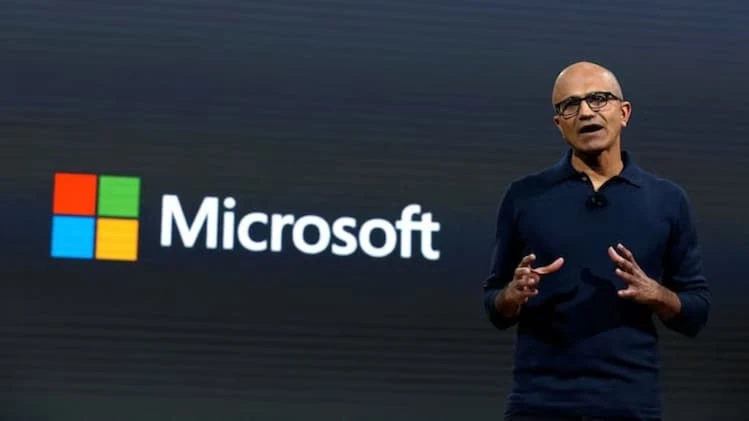
Microsoft CEO warns against exclusive reliance on one AI provider, forecasting shifts in enterprise tech spending and investor sentiment.
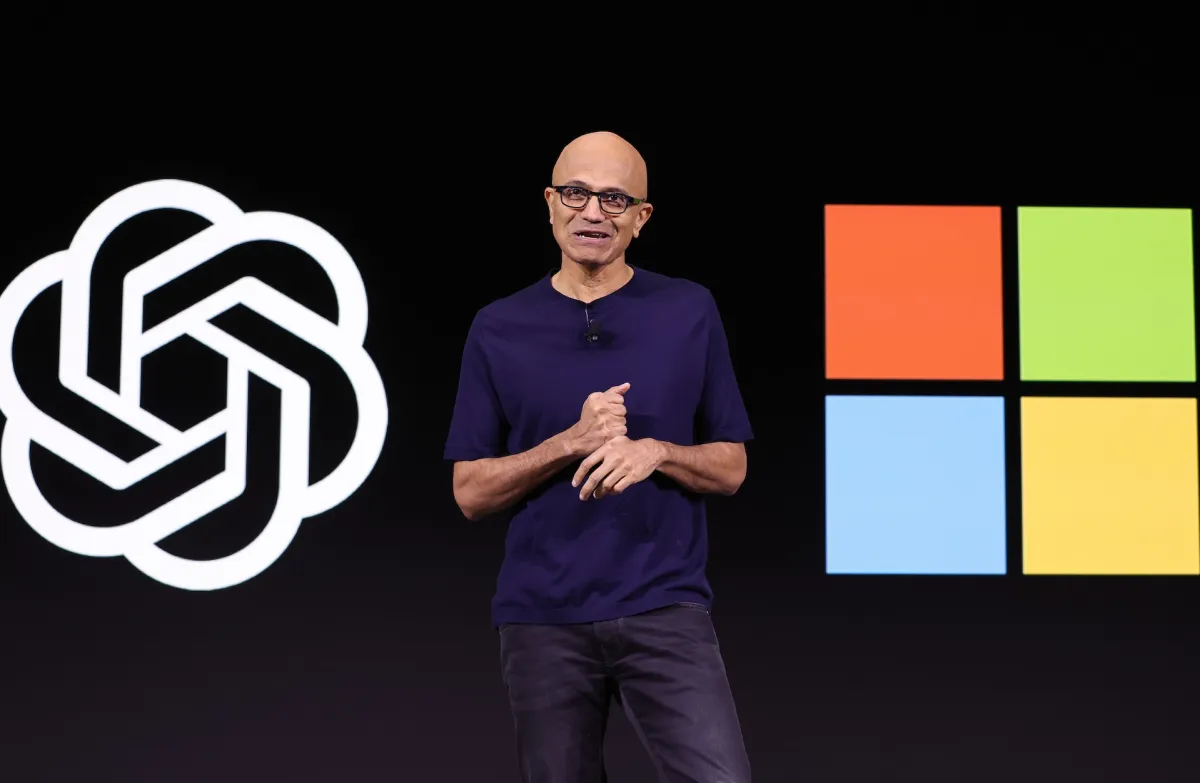
Microsoft Chief Executive Officer Satya Nadella cautioned on July 27, 2026, that companies placing their entire artificial intelligence strategy in the hands of single proprietary AI providers risk corporate extinction, potentially shifting enterprise technology spending and investor sentiment towards diversified AI architectures. This pronouncement underscores a growing tension between ease of adoption and strategic control within the rapidly evolving AI landscape, prompting a reevaluation of long-term digital transformation initiatives. Nadella’s advisory emphasized the critical need for businesses to maintain proprietary control over their AI metadata and operational prompts, arguing that outsourcing this intellectual core essentially relinquishes a firm’s capacity for independent thought and future innovation. He advocated for a model where organizations retain all usage metadata, enabling them to eventually train their own model weights or develop open-source alternatives. This strategic pivot is seen as essential for long-term survival, particularly as foundational AI models continue to evolve rapidly. The Microsoft CEO highlighted specific concerns regarding integrated coding tools. Nadella argued that a reliance on these integrated tools creates an untenable vendor lock-in, advising companies to implement "AI gateways" to decouple their prompts and data from the underlying models. This separation ensures operational continuity and strategic flexibility, allowing firms to interchange models without losing control over their customized context and memory layers. While Microsoft holds significant investments in both OpenAI and Anthropic, Nadella’s stance signals a strategic imperative that transcends immediate partnership dynamics, pushing for a more resilient and decentralized AI ecosystem. The revenue streams generated by these coding agents are substantial for model makers, yet Nadella's warning suggests these profits come at a hidden cost to enterprise autonomy. His comments could catalyze a broader industry movement towards hybrid AI deployments and the development of internal AI capabilities, challenging the current trajectory of concentrated AI power.
What are the Stakes for Enterprise AI Adoption?
The implications of Nadella’s warning for global enterprises are profound, extending beyond mere technology choices to touch upon core business strategy and competitive advantage. Companies that fail to cultivate their own AI models or establish robust AI gateway infrastructure risk ceding significant competitive ground, potentially transforming their unique processes and data insights into generalized knowledge for their third-party AI providers. This could lead to a commoditization of their specialized workflows, eroding differentiation and profitability. Furthermore, the strategic vulnerability of being tied to a single AI vendor introduces operational risks, including potential service interruptions, sudden policy changes, or even the obsolescence of a preferred model. Diversifying AI dependencies through multi-model strategies and proprietary data retention becomes a critical hedge against these uncertainties. This approach allows enterprises to leverage the best capabilities from various models while safeguarding their unique intellectual property and maintaining agility in a dynamic technological environment.
Microsoft's reported significant investment in OpenAI underscores the massive capital flowing into proprietary AI development, yet Nadella's caution points to the strategic necessity for enterprises to balance such external dependencies with internal control.
What is the History of AI Infrastructure Control?
The debate over AI infrastructure control mirrors historical shifts in enterprise technology, from proprietary mainframe systems to the rise of open-source software and cloud computing. Early computing eras were characterized by vendor lock-in, where hardware and software ecosystems were tightly integrated and controlled by a few dominant players. The subsequent emergence of open standards and cloud platforms offered greater flexibility, albeit with new forms of vendor dependency. The current wave of generative AI, initially dominated by a handful of well-funded research labs developing large, proprietary foundational models, presented a similar concentration of power. These models, with their vast training data and complex architectures, required immense computational resources, making internal development prohibitive for most companies. This created an initial rush for enterprises to adopt leading models, often through their integrated tools and application programming interfaces. However, the rapid proliferation of open-source large language models and the increasing maturity of AI development tools have begun to democratize access to advanced AI capabilities. This trend empowers more companies to develop custom models, fine-tune existing ones, or implement the AI gateway architectures Nadella advocates, shifting the balance of power back towards enterprise control and away from exclusive reliance on a few core providers.
Are There Compelling Reasons for Single-Vendor AI?
Despite Nadella's cautionary stance, some enterprises may find compelling, albeit short-term, reasons to maintain a single-vendor AI strategy. The primary appeal often lies in simplicity and speed of deployment, particularly for organizations lacking the internal talent or financial resources to build and manage complex multi-model AI infrastructures. A unified platform can reduce integration challenges, streamline operations, and accelerate time-to-market for AI-powered applications. Existing strategic partnerships and deep integrations with specific AI providers might also present a significant barrier to diversification. Companies that have already invested heavily in a particular ecosystem, or whose core operations are intrinsically linked to a vendor's AI stack, face substantial costs and operational disruptions in attempting to decouple their systems. Furthermore, some proprietary models offer unique capabilities or performance advantages that are not easily replicated by open-source alternatives or other commercial offerings. However, these benefits must be weighed against the long-term strategic risks highlighted by Nadella. The ease of a single-vendor approach could become a critical liability as the AI landscape matures, potentially leading to increased operational costs, reduced competitive agility, and a diminished capacity for internal innovation down the line. The perceived cost savings of a consolidated approach may eventually be overshadowed by the hidden costs of ceded intellectual property and strategic dependence. The market will closely watch how Nadella’s latest warning influences enterprise AI procurement strategies and investment decisions in the coming months. Key indicators will include shifts in reported capital expenditures towards internal AI infrastructure development, increasing adoption rates of AI gateway solutions, and the emergence of more diversified AI talent acquisition trends. Future earnings calls from major cloud providers and AI labs will likely offer insights into whether this strategic advice translates into tangible shifts in customer behavior, potentially reshaping the competitive dynamics of the global AI sector.
Frequently asked questions
What is Satya Nadella's main warning about AI?
Satya Nadella warns that companies solely relying on a single proprietary AI provider for their entire strategy face a high risk of corporate extinction. He emphasizes the need for diversified AI architectures to ensure long-term business survival and adaptability in the evolving technological landscape.
When did Satya Nadella issue this warning?
Microsoft CEO Satya Nadella issued this caution on July 27, 2026.
How might this warning impact enterprise technology spending?
Nadella's pronouncement suggests a potential shift in enterprise technology spending towards more diversified AI solutions rather than concentrating budgets on a single vendor.
What are the risks of trusting one AI for everything?
The primary risk is corporate extinction due to lack of flexibility, vendor lock-in, and inability to adapt to new AI advancements or market changes.
What does "diversified AI architectures" mean?
It refers to integrating AI solutions from multiple providers or developing a multi-faceted AI strategy rather than placing all trust in one single vendor.
What is the implication for investor sentiment regarding AI companies?
Investor sentiment may shift away from companies solely focused on a single proprietary AI solution towards those demonstrating a robust, diversified AI strategy.