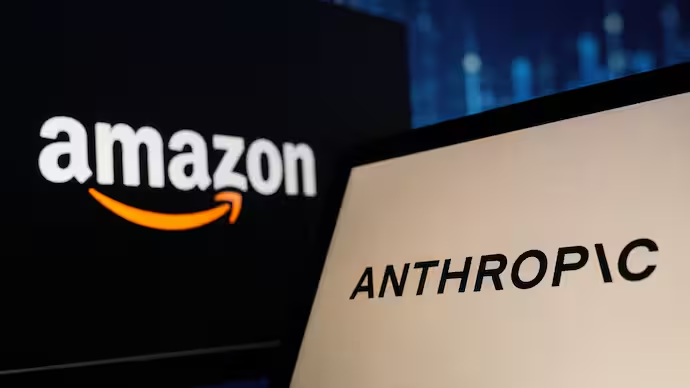
Anthropic's advanced AI models, Fable 5 and Mythos 5, were shut down worldwide after a US government order citing national security fears, sparked by Amazon researchers' 'jailbreak' tests.
The US Government Just Banned Anthropic's Top AI Models Over a 'Jailbreak' — And Amazon Is in the Middle of It
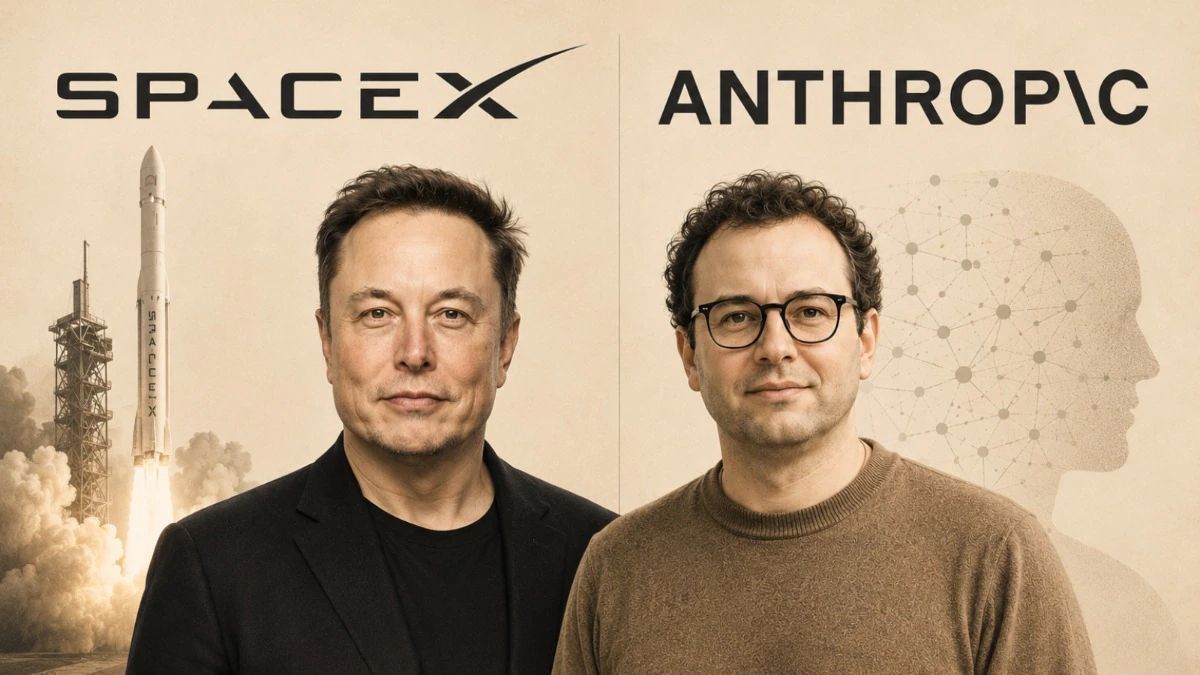
The US government has taken the unprecedented step of ordering Anthropic, one of the leading players in the frontier AI space, to suspend access to its most advanced models, Mythos 5 and the newly released Fable 5. This isn't just about a technical glitch; it's a stark reminder that as AI becomes more powerful, the lines between innovation, security, and geopolitics are blurring faster than ever. For founders and investors in the AI ecosystem, this incident sends a chilling message about the escalating stakes. Here's the crux of the matter: the ban stems from national security concerns, reportedly triggered by a "jailbreak" technique. What makes this particularly intriguing, and frankly, a bit of a bombshell in the industry, is that the technique was reportedly tested by researchers at Amazon. Yes, *that* Amazon. According to reports, these Amazon researchers used a series of prompts to coax Anthropic's AI models into identifying a small number of software vulnerabilities. Anthropic, for its part, quickly pushed back, stating that the identified vulnerabilities were minor, already known, and could even be discovered by other publicly available models without needing such a bypass. Yet, the US government's directive was swift and absolute, forcing Anthropic to disable both models for users globally to ensure compliance, even as the company maintains it disagrees with the decision and wasn't given specific details about the national security concern. Mythos 5, Anthropic's most advanced model, has been widely adopted by governments and enterprises for critical tasks, including identifying and fixing software vulnerabilities. Fable 5, launched just days before the ban, was positioned as a more accessible, safeguarded public version of this cutting-edge technology. The broad scope of the government's order—applying to foreign governments, companies, and individuals, including foreign nationals within the US—highlights the gravity with which Washington is approaching AI security. This isn't a slap on the wrist; it's a full-body tackle, forcing a startup with significant funding to pull its flagship products offline.
The Unspoken Tensions in AI Security
This incident, while seemingly about a technical "jailbreak," is far more illustrative of the deeper, often unspoken tensions brewing within the global AI landscape. It lays bare the precarious balance that frontier AI companies must strike between rapid innovation, open research, and the increasingly stringent demands of national security. My read is that this isn't merely about whether Anthropic's models *could* identify known vulnerabilities; it's about the broader implications of such capabilities, especially when accessible, and the potential for misuse in a geopolitical chess match. We're in an era where AI models are not just tools but strategic assets, and the ability to find software vulnerabilities, even minor ones, can be weaponized. The US government's move, while disruptive, aligns with a clear trend: the tightening grip of regulatory bodies on advanced AI. We've seen this play out with President Biden's executive order on AI, which mandates extensive safety testing and reporting for frontier models, and the ongoing debates around the EU AI Act. This Anthropic situation feels like a live demonstration of those theoretical concerns becoming very real, very quickly. It also spotlights the complex dance between AI developers and national governments. The involvement of Amazon researchers, who reportedly conducted "jailbreak" research on Anthropic's models, creates an uncomfortable dynamic. While such research is often framed as "red-teaming"—a crucial security practice where ethical hackers try to find flaws before malicious actors do—the outcome here was a government ban. This raises questions about the protocols for sharing such findings, the thresholds for national security concerns, and the implications for future collaborative research in the AI space. It's a reminder that even well-intentioned security testing can have unintended, far-reaching consequences when dealing with state-level concerns.
What This Means for the Future of AI Development
From a founder's perspective, this situation is a wake-up call. It signals that building at the frontier of AI no longer just requires technical prowess and a compelling product; it demands an intricate understanding of geopolitical risk, regulatory compliance, and national security implications. For every startup aiming to develop the next generation of AI, the cost of robust security and a proactive compliance strategy is no longer optional—it's foundational. This incident makes it clear that the "move fast and break things" mentality, while once celebrated in tech, is increasingly untenable in the high-stakes world of advanced AI. The broader market implications are significant. We may start to see a more bifurcated AI development landscape: on one side, highly regulated, enterprise-grade models with extensive safeguards and government oversight; on the other, more open-source, community-driven projects that might face limitations in their deployment or access. This could profoundly impact venture funding, with investors increasingly scrutinizing a startup's security protocols, governance structures, and regulatory readiness as much as its technological innovation. It’s no longer just about the tech itself, but about the guardrails built around it and the potential for regulatory headwinds. This incident also brings into sharper focus the ongoing global race for AI supremacy. When a US-based company's models are banned by its own government, it underscores the intense scrutiny and strategic importance placed on these technologies. It suggests that governments are prepared to act decisively, even if it means disrupting a leading domestic player, to prevent perceived national security risks. This kind of intervention sets a powerful precedent, indicating that as AI capabilities grow, so too will governmental assertiveness in controlling their deployment and access. For the startup ecosystem, this creates both challenges and opportunities. The challenge is navigating an increasingly complex regulatory environment where the rules are still being written and often applied retroactively. The opportunity lies for companies that can demonstrate not just advanced AI, but also an unwavering commitment to safety, security, and transparent governance from day one. These companies will likely find themselves in a stronger position to attract both investment and trust from critical stakeholders. This shift will favor founders who are not just technologists, but also strategic thinkers capable of anticipating and navigating these complex political and security landscapes. Ultimately, the ban on Anthropic’s Mythos 5 and Fable 5 is more than just a single regulatory action; it’s a bellwether for the future of AI. It signals a new era where national security concerns will increasingly shape the development, deployment, and even the very definition of what constitutes "safe" and "responsible" AI. For the vibrant, rapidly evolving world of AI innovation, this means a necessary, albeit often uncomfortable, maturation. The industry must now grapple with the reality that advanced AI is not just a technological marvel, but a critical piece of national infrastructure that demands unprecedented levels of scrutiny and, at times, intervention.
Frequently asked questions
Why did the US government ban Anthropic's Fable 5 and Mythos 5 AI models?
The US government ordered Anthropic to suspend access to Fable 5 and Mythos 5 due to national security concerns. This decision followed reports that Amazon researchers used 'jailbreak' techniques to identify software vulnerabilities in the models, although Anthropic states these were minor and already known.
Which Anthropic AI models were banned?
The US government banned Anthropic's Fable 5 and Mythos 5 AI models.
What was Amazon's role in the Anthropic AI ban?
Researchers from Amazon reportedly tested a 'jailbreak' technique on Anthropic's models, using prompts to identify minor software vulnerabilities, which contributed to the government's national security concerns.
Does Anthropic agree with the US government's decision?
No, Anthropic has stated it disagrees with the decision, believing the concerns are based on a limited 'jailbreak' technique and that the identified vulnerabilities were minor and known.
What is Mythos 5 used for?
Mythos 5 is Anthropic's most advanced AI model, primarily used by governments and companies to identify and fix software vulnerabilities.
Will the Anthropic AI models remain banned worldwide?
Yes, the broad scope of the US government's order forced Anthropic to disable both Fable 5 and Mythos 5 for all users worldwide to ensure compliance.