Airbus boosts next-gen hybrid-electric commercial aircraft development, signaling a major pivot for sustainable aviation and aerospace.
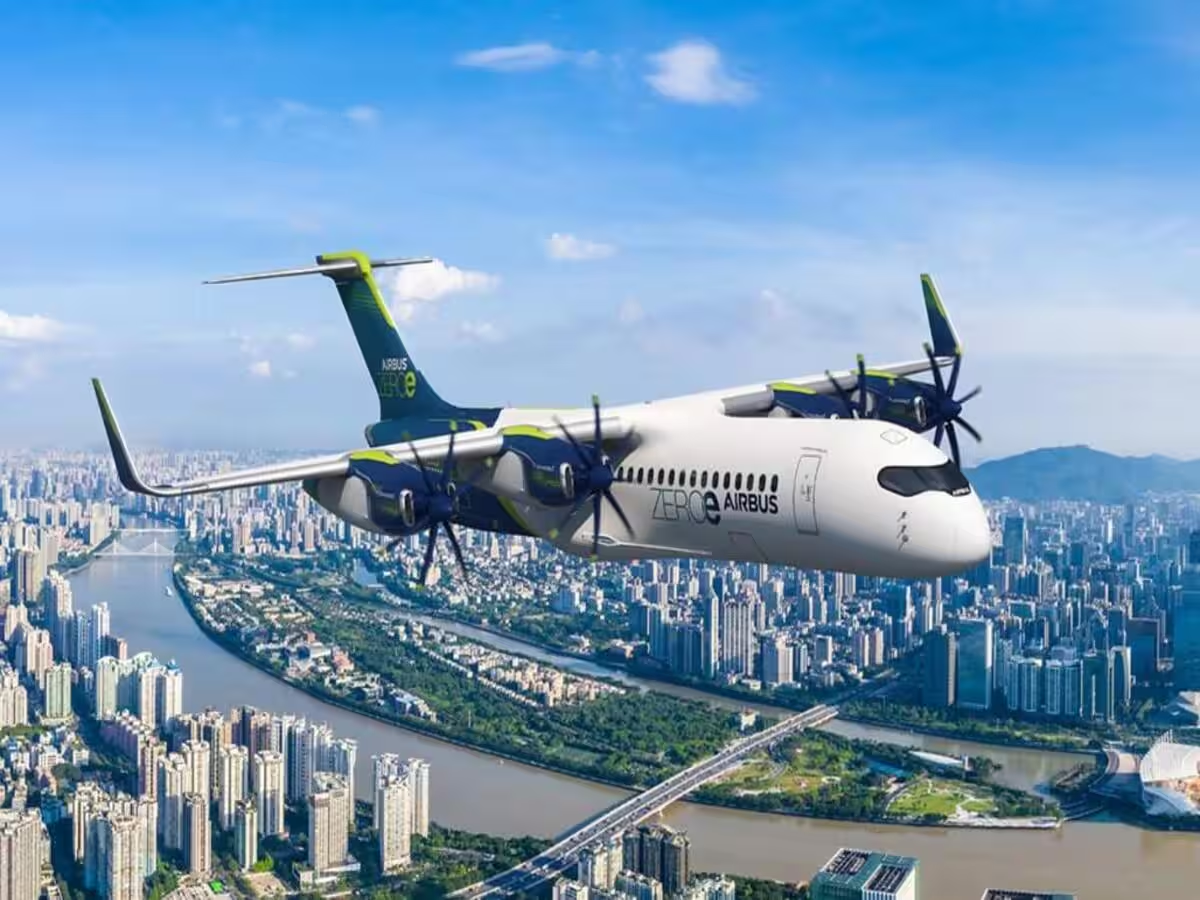
Airbus SE is intensifying its efforts in next-generation hybrid-electric commercial aircraft development, a strategic pivot poised to reshape the aerospace industry and drive substantial capital allocation towards sustainable aviation solutions. This accelerated push underscores the mounting regulatory and investor pressure on global manufacturers to decarbonize air travel, signaling significant long-term shifts for airline fleet strategies and operational expenditure models. The European aerospace giant is channeling resources into advanced propulsion systems that combine traditional jet fuel with electric power, aiming for substantial reductions in carbon emissions and operational noise. While specific program details remain under wraps, the initiative targets the regional and short-haul segments initially, where hybrid-electric configurations offer the most immediate viability for entry into service. This strategic focus anticipates a future where stricter environmental mandates will directly impact aircraft purchasing decisions and asset valuations. Airbus’s commitment to hybrid-electric propulsion represents a diversification from its primary hydrogen-powered aircraft ambitions, acknowledging the varied technological readiness levels required across different aircraft classes. The move suggests a multi-pronged approach to achieving net-zero emissions by 2050, balancing audacious long-term goals with pragmatic, near-to-medium-term solutions that can deliver tangible environmental and economic benefits. Industry observers note this strategy mirrors a broader trend among original equipment manufacturers to de-risk future portfolio development through parallel technology streams.
What It Means for the Industry
This intensified development by Airbus carries substantial implications across the aviation value chain, from component suppliers to airline operators and infrastructure providers. A viable hybrid-electric platform could trigger a wave of investment in battery technology, power electronics, and high-efficiency electric motors, creating new market leaders within the aerospace supply chain. Airlines, particularly those with extensive regional networks, face the prospect of lower fuel costs and reduced emissions, potentially unlocking new routes previously deemed uneconomical or environmentally unsustainable. The competitive landscape is poised for significant shifts as well. Rivals like Boeing and emerging players such as Embraer and various startups are also investing heavily in sustainable aviation technologies, including hybrid-electric and hydrogen solutions. Airbus’s accelerated timeline could force competitors to re-evaluate their own development roadmaps, potentially leading to increased R&D spending and a heightened race for intellectual property in advanced propulsion. This dynamic could compress development cycles and bring more rapid innovation to market. Furthermore, the successful deployment of hybrid-electric aircraft would bolster demand for sustainable aviation fuels (SAF), although to a lesser extent than conventional aircraft, as they still rely on some form of combustion. This integrated approach, combining advanced propulsion with cleaner fuels, is central to the industry’s long-term decarbonization strategy, potentially driving further investment into SAF production capabilities and infrastructure. The financial health of airlines will increasingly be tied to their ability to adopt these new, more efficient platforms.
The Context of Decarbonization
The renewed emphasis on hybrid-electric technology by Airbus is set against a backdrop of escalating global pressure for aviation to meet ambitious climate targets. The European Union’s Fit for 55 package, which includes mandates for SAF blending and potential carbon pricing adjustments, exerts significant regulatory force on European carriers and manufacturers. Similarly, the International Civil Aviation Organization’s (ICAO) Carbon Offsetting and Reduction Scheme for International Aviation (CORSIA) aims to cap aviation emissions at 2020 levels, necessitating tangible reductions from new aircraft technologies. Environmental, Social, and Governance (ESG) criteria are also increasingly influencing investor sentiment and capital allocation decisions within the aerospace sector. Companies demonstrating a clear pathway to decarbonization and investing in green technologies often command higher valuations and broader investor appeal. Airbus’s move is therefore not just a technological push but also a strategic maneuver to enhance its ESG profile and secure its position as a leader in future aviation. This trend line suggests that environmental performance will become as critical as operational performance in determining market success.
Looking Ahead: Hurdles and Opportunities
While the boost in hybrid-electric development signals progress, significant technical and certification hurdles remain. The integration of high-power electric systems with existing airframe designs, thermal management challenges, and the development of robust, lightweight battery technology capable of meeting aviation safety standards are complex engineering tasks. Regulatory bodies, including EASA and the FAA, will need to establish new certification pathways for these novel propulsion systems, a process that can be both time-consuming and expensive. The market rollout will likely be gradual, with initial applications in smaller aircraft and shorter routes before scaling up to larger platforms. Key milestones to watch include ground testing of full-scale propulsion systems, successful flight demonstrations of prototype aircraft, and firm order announcements from launch customers. These developments will provide critical insights into the commercial viability and operational performance of hybrid-electric aircraft, influencing future investment decisions and the pace of broader industry adoption. The success of this initiative could determine who leads the next generation of aerospace manufacturing.
Frequently asked questions
What is Airbus doing for next-gen aircraft?
Airbus is intensifying its efforts in next-generation hybrid-electric commercial aircraft development, a strategic move aimed at advancing sustainable aviation solutions and decarbonizing air travel.
Why is Airbus investing in hybrid-electric aircraft?
Airbus is investing in hybrid-electric aircraft to meet increasing regulatory and investor pressure to decarbonize air travel, positioning itself at the forefront of sustainable aviation technology.
How will hybrid-electric aircraft impact the aerospace industry?
Hybrid-electric aircraft development is poised to reshape the aerospace industry by driving substantial capital allocation towards sustainable aviation solutions and fostering innovation in propulsion systems.
What is the primary goal of Airbus's new project?
The primary goal of Airbus's new project is to accelerate the development of next-gen hybrid-electric commercial aircraft, contributing to the decarbonization of air travel and establishing new industry standards.
What kind of aircraft is Airbus developing?
Airbus is developing next-generation hybrid-electric commercial aircraft, which combine traditional fuel-based engines with electric propulsion systems to improve efficiency and reduce emissions.
Where can I find more information on Airbus's sustainable aviation efforts?
More information on Airbus's sustainable aviation efforts, including this next-gen hybrid-electric commercial aircraft project, can typically be found on Airbus's official corporate website or in reputable aerospace industry publications.