CATL, the world's largest EV battery maker, eyes a cost-saving solution for heavy-duty electric trucks across Europe.
The world's largest electric vehicle battery maker, China's Contemporary Amperex Technology Co. Limited, or CATL, is making a surprising and significant bet on the future of heavy-duty electric trucks in Europe: battery swapping. For many, the concept of pulling into a station, ejecting a depleted battery, and sliding in a fully charged one might sound like a relic from the early days of electric passenger cars, a strategy that largely failed to gain traction with consumers. But for the massive, power-hungry world of commercial trucking, CATL sees a crucial pathway to accelerate electrification and slash costs, and its success could ripple across global markets, including North America.
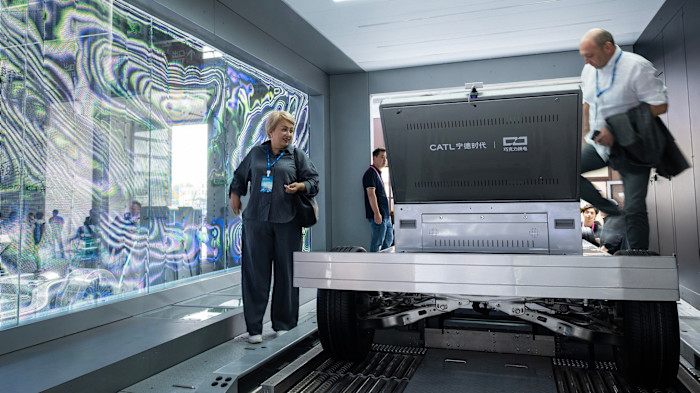
Here's what happened: CATL officially launched its battery swapping solution for electric trucks in Europe under its "Qiji Energy" brand. This isn't just about faster refueling; it's a strategic move to address the fundamental economic and operational hurdles that have slowed the adoption of electric heavy-duty vehicles, particularly the immense upfront cost of batteries and the lengthy downtime associated with traditional charging.
For a typical long-haul electric truck, the battery pack alone can weigh several tons and represent a substantial portion of the vehicle's total cost, often hundreds of thousands of dollars. This financial burden, coupled with the hours required to fully charge such a colossal battery, creates a significant barrier for fleet operators where every minute of uptime translates directly to revenue. CATL's Qiji Energy aims to decouple the battery from the truck's purchase price, allowing operators to lease the battery and swap it out in a matter of minutes, similar to a gas station stop.
The immediate focus on Europe provides a fertile ground for this experiment. The continent has ambitious decarbonization goals, a dense network of freight routes, and a growing push for electric logistics. By targeting Europe's heavy-duty sector, CATL is positioning itself at the forefront of a potentially transformative shift, leveraging its vast manufacturing capabilities and technological prowess to offer a vertically integrated solution that extends beyond just selling battery cells.
This initiative represents a bold step in electric vehicle infrastructure, challenging conventional wisdom that fast charging is the sole path forward. It suggests that for certain vehicle classes and operational profiles, a different approach to energy delivery might be not just viable, but optimal, fundamentally altering the economics of fleet electrification.
Why this could work for trucks (but not cars)
The skepticism around battery swapping largely stems from the passenger car market. Companies like Better Place famously tried and failed to popularize the concept for consumer vehicles over a decade ago, struggling with issues of standardization, consumer convenience, and the sheer capital required to build out the infrastructure. But heavy-duty trucks present a fundamentally different set of dynamics that make battery swapping far more compelling, and my analysis suggests this is where CATL is placing its smart bets.
Firstly, commercial fleets operate on predictable routes and schedules. Unlike individual car owners who might drive anywhere, trucks often travel between fixed depots, distribution centers, or specific charging hubs. This predictability makes it far easier to site and optimize battery swapping stations. Secondly, uptime is paramount for fleet operators. A long-haul truck sitting for eight hours to charge is a truck not earning money. Swapping a battery in 5-10 minutes drastically reduces this downtime, offering a compelling operational advantage over even the fastest conventional charging solutions.
Moreover, the sheer size and cost of truck batteries play a crucial role. These packs are not only expensive but also incredibly heavy and cumbersome. Their complexity and thermal management requirements make quick charging a technical and economic challenge. Decoupling the battery ownership from the vehicle itself, often called "Battery-as-a-Service" (BaaS), significantly lowers the upfront capital expenditure for fleets. Instead of buying a truck with a half-million-dollar battery, operators can acquire a chassis and lease the power unit, paying for energy consumption more like traditional fuel costs. This shifts the financial model, making electric trucks more accessible to a wider range of businesses.
The North American Horizon
While CATL's immediate focus is Europe, the implications for North America's nascent heavy-duty electric vehicle market are significant. The challenges facing fleet operators in the U.S. and Canada—range anxiety, charging infrastructure scarcity, and the high upfront cost of electric trucks—are largely similar to those in Europe. CATL's battery swapping model could offer a compelling alternative to the traditional charging paradigm currently being pursued by North American truck manufacturers and energy providers.
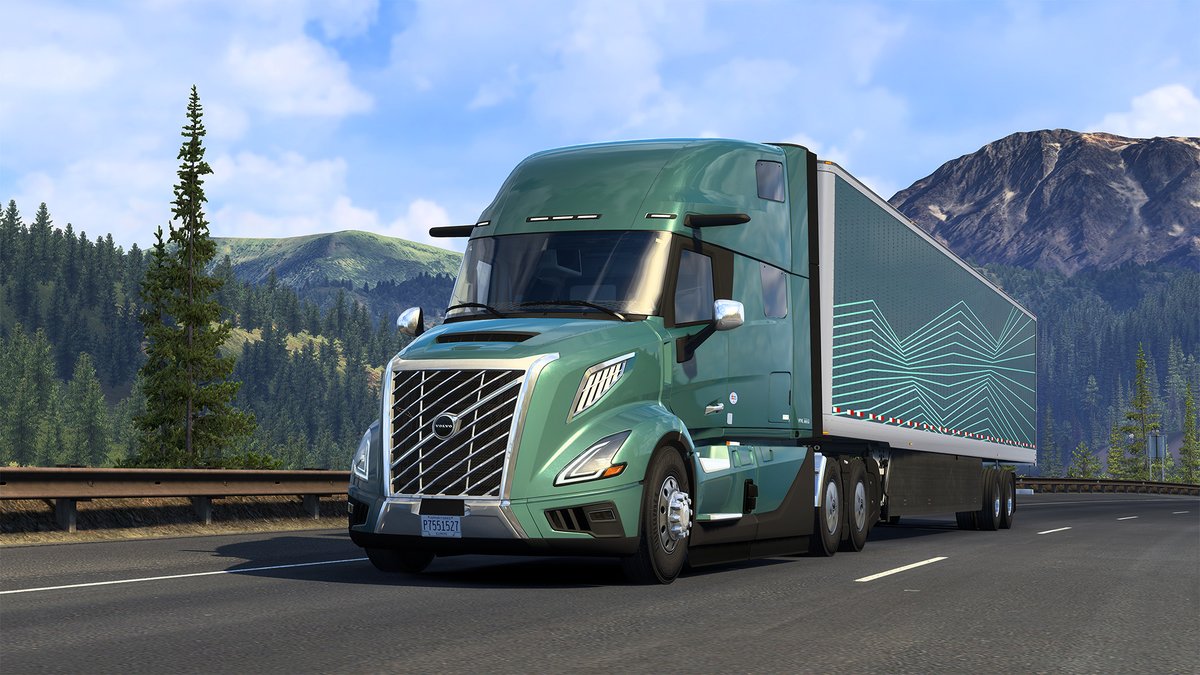
North America is seeing a slow but steady push toward electric trucking, with companies like Tesla (with its Semi), Daimler Truck, Volvo, and Nikola making strides in developing electric heavy-duty vehicles. However, the build-out of a robust charging network capable of supporting these massive vehicles across vast distances is a monumental undertaking. Battery swapping could bypass some of these hurdles by centralizing the charging process at dedicated stations and offering rapid turnaround times, a critical factor for logistics firms operating on tight schedules.
From an infrastructure perspective, battery swapping stations could also serve as valuable grid assets. With their ability to store large amounts of energy, these stations could participate in demand response programs, help stabilize the grid, and facilitate the integration of renewable energy sources. This potential synergy between transportation and energy infrastructure is a powerful, often overlooked, benefit of the swapping model, especially as North America grapples with grid modernization and the transition to cleaner energy.
However, the North American market presents its own set of challenges. Standardization of battery packs across different truck manufacturers is not yet a reality, which has been a historical stumbling block for battery swapping. Regulatory environments and investment models for infrastructure also vary across states and provinces. If CATL's European venture proves successful, it could spur similar innovation or strategic partnerships among North American players, or even lead CATL to explore the market directly.
My read is that the North American trucking industry will be closely watching CATL's European experiment. If the Qiji Energy solution demonstrates a clear return on investment and operational efficiency, it could trigger a fundamental re-evaluation of how electric truck fleets are deployed and powered across the continent. The sheer scale of the North American freight market makes any innovation that genuinely reduces costs and improves uptime incredibly attractive.
The success of battery swapping, whether in Europe or North America, ultimately hinges on solving a complex equation of capital investment, regulatory alignment, and technological standardization. It requires a significant shift in thinking from both vehicle manufacturers and fleet operators, moving away from individual ownership of battery assets toward a service-based model. If CATL can master this, it not only secures its dominance in battery manufacturing but also carves out a powerful new niche in the broader energy and logistics ecosystem.
The coming years will tell whether CATL's bet will pay off, transforming the landscape of heavy-duty electric transport. Should it succeed, we might witness a new wave of innovation and investment in battery swapping infrastructure, making electric trucks a far more viable and economically attractive option for businesses around the globe, fundamentally reshaping supply chains and logistics as we know them.
Frequently asked questions
What is CATL's new strategy for electric trucks in Europe?
CATL, the world's largest EV battery manufacturer, is making a significant investment in battery swapping technology for heavy-duty electric trucks across Europe. This strategy aims to reduce operational costs and charging downtime, making electric transport more viable for logistics companies.
How does battery swapping work for trucks?
Battery swapping involves replacing a depleted battery pack with a fully charged one at a dedicated station, similar to a gas station, significantly reducing vehicle downtime compared to traditional charging.
Why is CATL betting on battery swapping?
CATL believes battery swapping will cut costs for operators by reducing initial vehicle purchase prices (as batteries can be leased) and optimizing uptime, which is crucial for heavy-duty logistics.
Which region is CATL focusing on for this initiative?
CATL's current focus for this battery swapping bet is specifically on the European market for electric trucks.
What are the benefits of battery swapping for logistics companies?
Benefits include faster "refueling," potentially lower upfront costs for trucks, and extended battery life through optimized charging cycles managed by the swapping stations.
Is battery swapping a new concept for electric vehicles?
While seeing renewed interest, battery swapping has been explored since the early days of EVs, with companies like Better Place attempting it for passenger cars in the past.