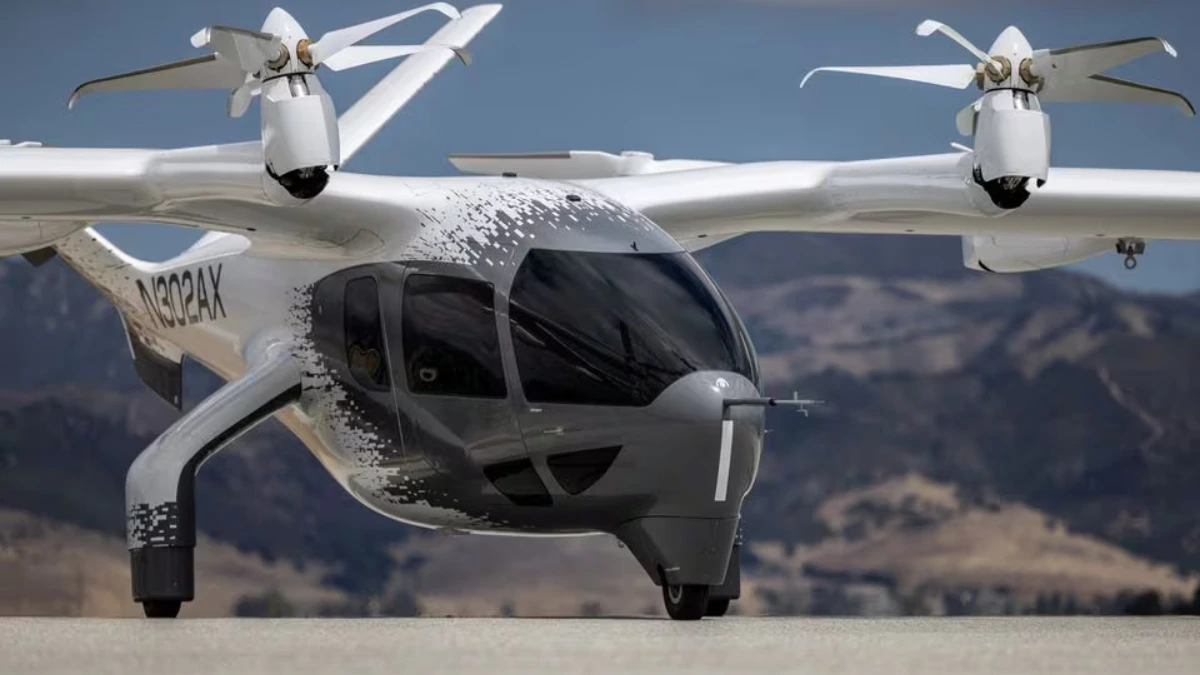
This innovative air-jet tech for flying taxis promises significantly quieter operations and faster urban travel, redefining mobility in India's dense cities.
India's Urban Skies Could Soon Whisper: How Air-Jet Tech is Redefining Flying Taxis for Denser Cities
A pioneering firm is developing innovative air-jet technology for flying taxis, promising significantly quieter operations crucial for urban air mobility.
This advancement addresses core challenges of noise and design limits in conventional eVTOLs, opening new avenues for efficient, less disruptive travel in populous regions like India.
The future of urban commute, once a distant dream of flying cars and whirring propellers, has long been hampered by a fundamental challenge: noise. For burgeoning cities across India and Southeast Asia, the prospect of widespread "flying taxis" has always come with the caveat of potential acoustic pollution, an issue that could render the technology impractical in densely populated areas. Now, a firm is addressing this very hurdle, pioneering an innovative air-jet propulsion system that promises to redefine urban air mobility with quiet, efficient flight.
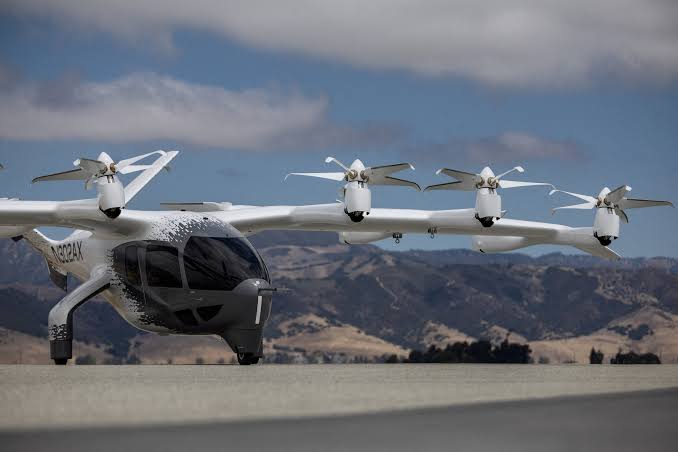
What started as an ambitious idea to overcome the inherent limitations of traditional vertical take-off and landing (VTOL) aircraft is now shaping up to be a game-changer. Conventional flying taxi designs often rely on exposed propellers, similar to drones or small helicopters, which generate considerable noise. This considerable noise is not just an inconvenience; it represents a significant barrier to public acceptance and regulatory approval, especially for operations within the confines of bustling urban centres.
The motivation behind this shift was clear: to create an urban air mobility solution that could seamlessly integrate into city life without causing major auditory disruption. For the firm, the goal was always to move beyond the limitations of open-propeller designs, which also present inherent safety concerns with their exposed, rapidly spinning blades. This vision led them down a path of exploring alternative propulsion that could deliver power and lift more discreetly.
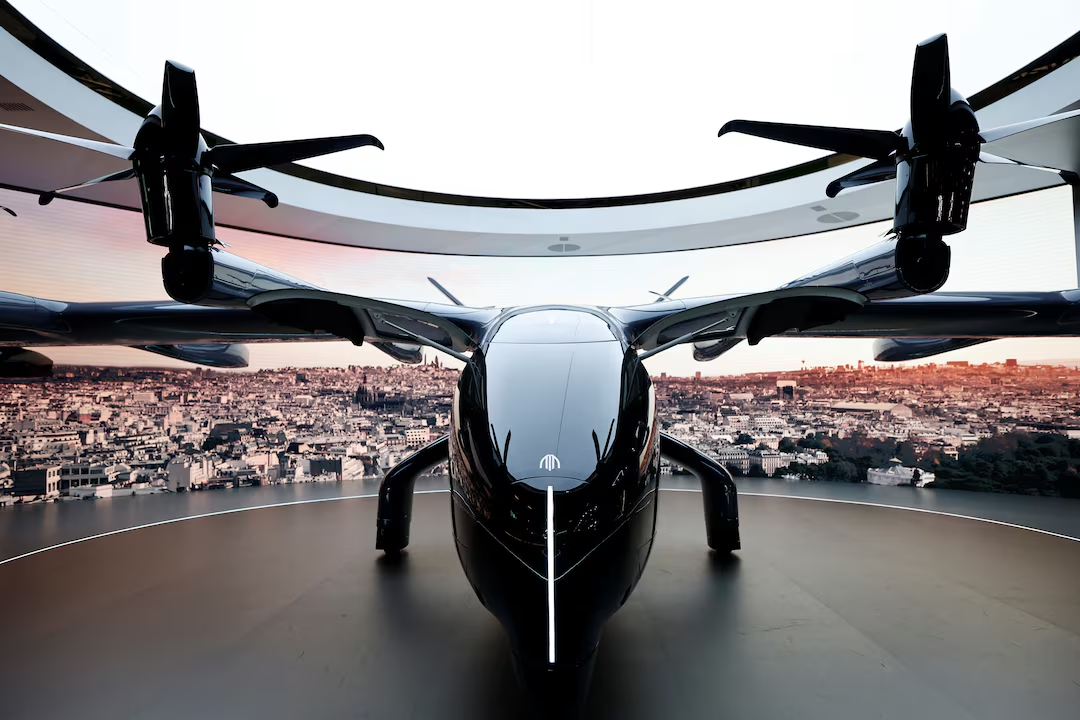
The core of this new air-jet flying taxi tech promises a departure from the familiar. Instead of large, visible rotors, the new system leverages an enclosed propulsion design. The propulsion units are contained within the aircraft's frame, dramatically reducing the sound footprint by containing and directing airflow more efficiently. This design not only curtails noise pollution but also enhances safety by shielding critical moving parts from external elements and potential collisions.
The engineering challenge was substantial: how to achieve sufficient lift, stability, and speed with enclosed propulsion systems while maintaining energy efficiency. The firm’s approach focuses on optimising the internal aerodynamics, allowing the aircraft to achieve agile flight characteristics comparable to, or even surpassing, open-propeller designs, but with a fraction of the noise. This technological leap addresses one of the most critical stumbling blocks for the widespread adoption of urban air mobility solutions globally.
As the world moves towards electric vertical take-off and landing (eVTOL) aircraft, the conversation around noise becomes increasingly pertinent. While electric motors themselves are quieter than combustion engines, the aerodynamic noise generated by propellers remains a significant issue. This new air-jet technology offers a path to bypass much of that aerodynamic noise, potentially achieving decibel levels so low that the aircraft could be almost imperceptible over typical city ambient noise from a certain altitude, a stark contrast to the loud thrum of helicopters or large drones.
The implications for densely populated regions like India are profound. Indian cities are grappling with immense traffic congestion, a burgeoning middle class demanding efficient transport, and rapid urbanization that strains existing infrastructure. The potential for flying taxis to alleviate some of this pressure is immense, offering faster city travel and opening up new corridors for transport where traditional ground infrastructure simply cannot keep pace. However, the introduction of noisy aircraft into already sound-polluted urban environments would likely face stiff resistance.
This air-jet technology could be a critical enabler for India's urban air mobility aspirations. The Indian government has shown increasing openness to advanced air mobility solutions, with initiatives around drone policies and promoting indigenous aviation technologies. A quiet eVTOL option aligns perfectly with the need for sustainable and socially acceptable transport solutions. Potential use cases range from rapid medical supply delivery and emergency services to high-value logistics, and eventually, passenger transport between city hubs or to suburban areas, significantly cutting down travel times.
Globally, the eVTOL market is witnessing intense innovation, with various companies pursuing different designs, including tilt-rotors and distributed electric propulsion. Each approach attempts to balance speed, range, payload, and noise. However, the firm’s focus on air-jet technology presents a distinct advantage in the noise reduction aspect, which many analysts believe will be the ultimate determinant of widespread public adoption, particularly in dense metropolitan areas. This is not merely an incremental improvement; it represents a foundational rethinking of how eVTOLs can coexist with urban life.
The enclosed design also brings inherent safety benefits, as exposed propeller blades pose a risk in emergency landings or accidental contact. By integrating the propulsion system within the aircraft's body, the new design adds a layer of protection, which is vital for building public trust and securing regulatory certifications for operation over crowded areas. For India, where urban density is high, such safety features will be paramount for securing the necessary clearances to operate within city limits.
This innovative approach also connects to a broader trend towards "silent" electric aviation. From larger electric commercial aircraft concepts to smaller delivery drones, the imperative for noise reduction is driving significant research and development. The social license to operate any aerial vehicle in close proximity to communities hinges heavily on its acoustic footprint. The air-jet system positions itself at the forefront of this movement, offering a solution that resonates deeply with the need for harmonious urban integration.
For India, the prospect of quiet flying taxis means more than just reduced travel times; it means the possibility of transforming urban planning itself. Imagine city centres connected by aerial routes that don't add to the daily cacophony, or suburban residents accessing rapid transit without the disturbance of constant overhead noise. This technology could unlock areas previously deemed unsuitable for air mobility due to noise sensitivity, fundamentally altering accessibility and connectivity in megacities.
This pioneering work by the firm signals a transformative shift for urban air mobility, particularly for nations like India grappling with the complexities of rapid urbanization. By prioritising quiet and efficient flight, this air-jet technology not only addresses a critical environmental concern but also lays the groundwork for a future where clean, fast, and silent aerial transit becomes an an integral part of our daily lives. For aspiring Indian entrepreneurs and innovators, it underscores the immense potential in solving fundamental challenges, proving that even the loudest problems can be met with elegant, silent solutions.
Frequently asked questions
How does new air-jet tech make flying taxis quieter?
This technology replaces noisy propellers or rotors with ducted air-jets, significantly reducing the acoustic footprint for urban operations. It addresses a key concern for public acceptance of flying taxis in dense city environments.
What are the main benefits of this new flying taxi technology?
The primary benefits include significantly quieter flights, faster point-to-point city travel, improved design efficiency, and enhanced safety compared to traditional eVTOL concepts, making urban air mobility more viable.
How will this air-jet technology impact urban travel in India?
For India's dense cities, this air-jet tech promises to alleviate traffic congestion by offering a new, less disruptive mode of inter-city and intra-city transport, revolutionizing urban connectivity and daily commutes.
What are eVTOLs, and how does air-jet tech differ?
eVTOLs are electric vertical takeoff and landing aircraft. While many eVTOLs use exposed propellers, air-jet technology employs enclosed ducted fans or jet propulsion, which can be quieter and more aerodynamic.
When can we expect to see these air-jet flying taxis in operation?
While development is rapidly progressing, commercial operations for air-jet flying taxis are likely several years away. This timeline depends on successful regulatory approvals, infrastructure development, and comprehensive testing phases.
Is this new tech more sustainable than current transportation methods?
Yes, by being entirely electric, these air-jet flying taxis contribute to significantly reduced carbon emissions compared to traditional fossil-fuel vehicles. This aligns perfectly with sustainable urban development goals for smarter, greener cities.