A class-action lawsuit claims Rivian misled owners about Level 3 autonomous driving capabilities in its first-gen R1T and R1S EVs.
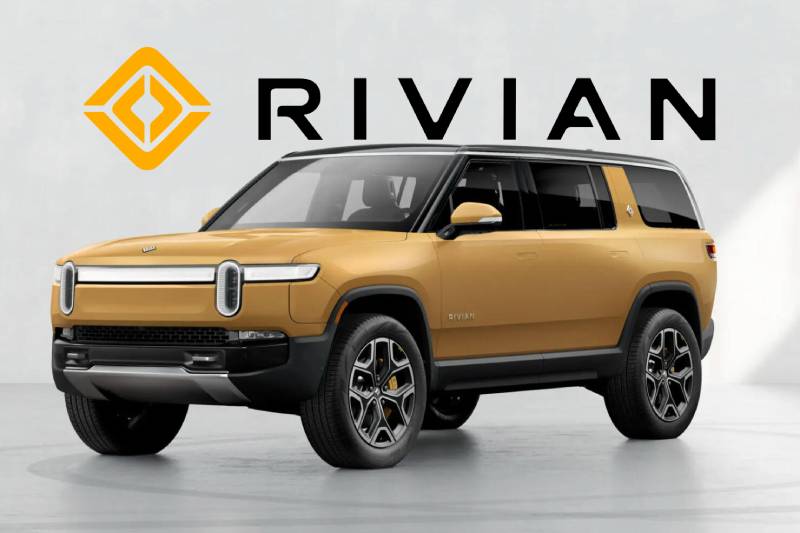
Rivian Automotive Inc. is confronting a class-action lawsuit alleging the electric vehicle manufacturer misled consumers about the autonomous driving capabilities of its first-generation R1T trucks and R1S SUVs, a development that could impact investor confidence and the company's valuation as it strives for profitability. The complaint, filed in California, claims Rivian falsely advertised Level 3 hands-free driving capabilities for vehicles that technically cannot support such features through software updates alone, intensifying scrutiny on the burgeoning but often over-promised autonomous vehicle sector. The lawsuit, lodged Wednesday in the U.S. District Court for the Central District of California, specifically targets Rivian's flagship R1T and R1S models from their initial production run. Plaintiffs contend that Rivian engaged in a coordinated, five-year marketing campaign to convince buyers that their vehicles would eventually offer hands-free, eyes-off driving, a feature aligned with the Society of Automotive Engineers' (SAE) Level 3 autonomy designation. This level implies the vehicle can manage driving tasks under specific conditions, with the expectation that a human driver remains ready to intervene. Central to the allegations is the assertion that Rivian's first-generation hardware architecture inherently lacks the capacity for Level 3 autonomy, regardless of future software enhancements. "No software update — no matter how sophisticated — will enable its Gen 1 Vehicles to perform as advertised," the complaint states, further claiming Rivian was aware of these limitations while continuing to promote purported capabilities to drive sales. Rivian CEO RJ Scaringe's remarks at TechCrunch Disrupt 2022 are cited in the suit as part of the company's broader autonomous driving ambitions. Rivian declined to comment on the ongoing litigation. The complaint, brought by three named plaintiffs and represented by Coleman Law and Tycko & Zavareei, seeks a jury trial and makes claims including fraud, negligent misrepresentation, and unjust enrichment. This legal challenge follows a precedent set last year when Rivian agreed to a $250 million settlement in a class-action shareholder lawsuit, which stemmed from an abrupt price increase on its R1 models in 2022, highlighting a pattern of consumer and investor discontent impacting the nascent EV manufacturer.
What It Means
This latest lawsuit represents more than just a legal hurdle for Rivian; it underscores a critical chasm between marketing aspirations and engineering realities in the race for advanced driver-assistance systems (ADAS) and autonomous driving. For a company like Rivian, which has positioned itself on innovation and premium technology, these allegations threaten to erode the trust crucial for customer loyalty and brand equity, particularly as it navigates a challenging path to sustained profitability and scale. The financial implications extend beyond potential settlement costs, encompassing reputational damage that could deter future sales and complicate capital raises. My read is that the core issue here isn't just about a specific feature, but about the industry's broader struggle to manage expectations around self-driving technology. Consumers are increasingly sophisticated, and the promise of "hands-free" or "eyes-off" driving carries significant weight, often misconstrued as full autonomy. When those promises fail to materialize on vehicles purchased for their perceived future capabilities, the backlash is inevitable. This lawsuit, therefore, serves as a bellwether for how the market and regulators will treat the fine print of ADAS marketing, potentially forcing greater transparency and more conservative claims from automakers.
Rivian previously settled a class-action shareholder lawsuit for **$250 million** last year, demonstrating the substantial financial impact of legal challenges related to its vehicle pricing and consumer expectations.
Background
Rivian entered the automotive landscape with significant fanfare, positioning itself as a premium adventure lifestyle brand distinct from traditional automakers and even other EV startups. Its R1T pickup and R1S SUV were heralded for their blend of rugged capability, innovative design, and advanced technology. The Driver+ system, intended to be standard across its lineup, was a key component of this technological differentiation, initially offering features like adaptive cruise control and highway assist, designed to manage speed, distance, and steering on select highways. However, the capabilities of Rivian's first-generation vehicles sharply contrast with its second-generation models, which debuted in 2024. While visually similar, the Gen 2 R1 vehicles underwent a comprehensive internal overhaul, integrating the "Rivian Autonomy Platform." This new architecture boasts 11 cameras, five radar sensors, and a computing platform ten times more powerful than its predecessor. This hardware upgrade, rather than merely a software tweak, was foundational for enabling advanced features. Last year, Rivian leveraged this new platform to roll out "Universal Hands-Free" driving via a software update to its second-gen R1 vehicles, allowing hands-off operation on more than 3.5 million miles of roads in the U.S. and Canada, including surface streets with visible lane lines. Rivian is not an isolated case in facing legal challenges over autonomous driving claims. Tesla, a pioneer in electric vehicles, has endured a decade of scrutiny and lawsuits concerning its Full Self-Driving (FSD) software and Autopilot system. Owners have sued Tesla for failing to deliver true unsupervised full self-driving, and regulatory bodies, such as the California Department of Motor Vehicles, have initiated actions alleging deceptive marketing practices. Although the DMV ruled against Tesla, it ultimately opted not to suspend the company's licenses, acknowledging Tesla's cessation of using "Autopilot" in California marketing. These parallel legal and regulatory battles underscore an industry-wide struggle with the nomenclature, functionality, and consumer perception of ADAS, highlighting a broader trend of regulatory bodies catching up to rapid technological advancements and aggressive marketing. The implications of this lawsuit extend beyond Rivian, signaling a tightening regulatory and consumer environment for all automotive manufacturers making bold claims about autonomy. Future developments will hinge on the court's interpretation of "hands-free" promises versus actual technical delivery, and how deeply this legal action might influence Rivian's brand perception and operational strategy. Investors will be keenly watching for any potential settlement figures or judgments, as well as Rivian's continued progress in scaling its Gen 2 production and achieving positive unit economics, which remain critical to its long-term viability in a fiercely competitive market. The outcome could set a significant precedent for how autonomous driving features are marketed and delivered across the entire industry, pushing for clearer distinctions between aspirational features and deployable capabilities.
Frequently asked questions
What is the Rivian lawsuit about?
Rivian is facing a class-action lawsuit from owners alleging the company made false claims about the Level 3 autonomous driving capabilities of its first-generation R1T trucks and R1S SUVs. Plaintiffs claim Rivian knew these vehicles couldn't achieve true hands-free driving as advertised.
Which Rivian models are involved in the lawsuit?
The lawsuit specifically targets Rivian's first-generation R1T electric trucks and R1S electric SUVs, claiming they were falsely advertised as capable of Level 3 hands-free driving.
What is Level 3 autonomy?
Level 3 autonomy, as defined by SAE, means a vehicle can handle steering, acceleration, and braking automatically in certain conditions (like highways), allowing the driver to take their hands off the wheel and eyes off the road. However, the driver must still be ready to intervene.
Does Rivian offer hands-free driving now?
Rivian's first-generation R1T and R1S vehicles do not offer hands-free driving. However, its second-generation R1 vehicles, overhauled in 2024, are equipped with the 'Rivian Autonomy Platform' and received a software update for 'Universal Hands-Free' driving last year.
Who filed the lawsuit against Rivian?
The class-action lawsuit was filed by three named plaintiffs, represented by law firms Coleman Law and Tycko & Zavareei, in the U.S. District Court for the Central District of California.
Has Rivian faced legal challenges before?
Yes, Rivian settled a class-action shareholder lawsuit for $250 million last year after it hiked prices on its R1 pickup truck and SUV in 2022. Other automakers like Tesla have also faced lawsuits and regulatory scrutiny over self-driving claims.