Indian UPI platforms shift from unsustainable direct cashback to sophisticated, embedded value propositions, signaling a mature digital rewards ecosystem.
UPI Players Pivot from Cash Burn to Value, Redefining Digital Rewards A new generation of Unified Payments Interface (UPI) platforms is systematically recalibrating their user acquisition and retention strategies, moving decisively away from the unsustainable direct cashback model towards more sophisticated, embedded value propositions. This strategic pivot signals a maturation of the Indian digital payments landscape, with profound implications for investor expectations regarding profitability and long-term enterprise valuation in a market characterized by intense competition and razor-thin transaction margins. The shift is prompting a re-evaluation of market share metrics, emphasizing sustained engagement and ancillary revenue generation over sheer volume. The initial wave of UPI adoption was heavily subsidized by venture capital, with platforms leveraging direct cashback to rapidly onboard users. This aggressive strategy, while effective for market penetration, proved financially untenable given UPI's near-zero Merchant Discount Rate (MDR) for many transaction categories. New entrants and even established players are now experimenting with nuanced reward mechanisms, integrating loyalty points, gamified experiences, and personalized offers that drive deeper engagement within a broader financial ecosystem. This approach aims to transform payment transactions from a cost center into a data-rich touchpoint for cross-selling higher-margin financial products like credit, insurance, and wealth management services. For example, some platforms are offering tiered rewards based on transaction frequency, merchant category, or even linking rewards to financial wellness objectives, aiming for a more durable customer relationship. The evolving playbook is characterized by a focus on data analytics to segment users and tailor reward schemes, thereby optimizing the return on reward spend. Instead of blanket cashbacks, platforms are deploying targeted promotions for specific merchants or product categories, often funded partially by the merchants themselves seeking to drive traffic and conversion. This co-funded model reduces the burden on the payment provider while offering more relevant incentives to the user. The underlying premise is a shift from purely transactional utility to a holistic digital finance experience, where payments serve as the gateway to a suite of financial services.
What It Means
This strategic evolution is critical for the sector's long-term viability and investor confidence. For years, the payments segment operated with a 'growth at all costs' mentality, burning through capital to secure market share without a clear path to profitability from transactions alone. The current shift reflects a more disciplined approach to capital deployment, where customer acquisition costs (CAC) are weighed against lifetime value (LTV) across an expanded product suite. My read is that this transition will inevitably lead to a market consolidation, favoring platforms with robust technology stacks, superior data analytics capabilities, and the financial muscle to build out comprehensive financial service offerings. It also redefines the competitive battlefield, moving beyond mere payment processing speed to the strength of integrated offerings and personalized value delivery.
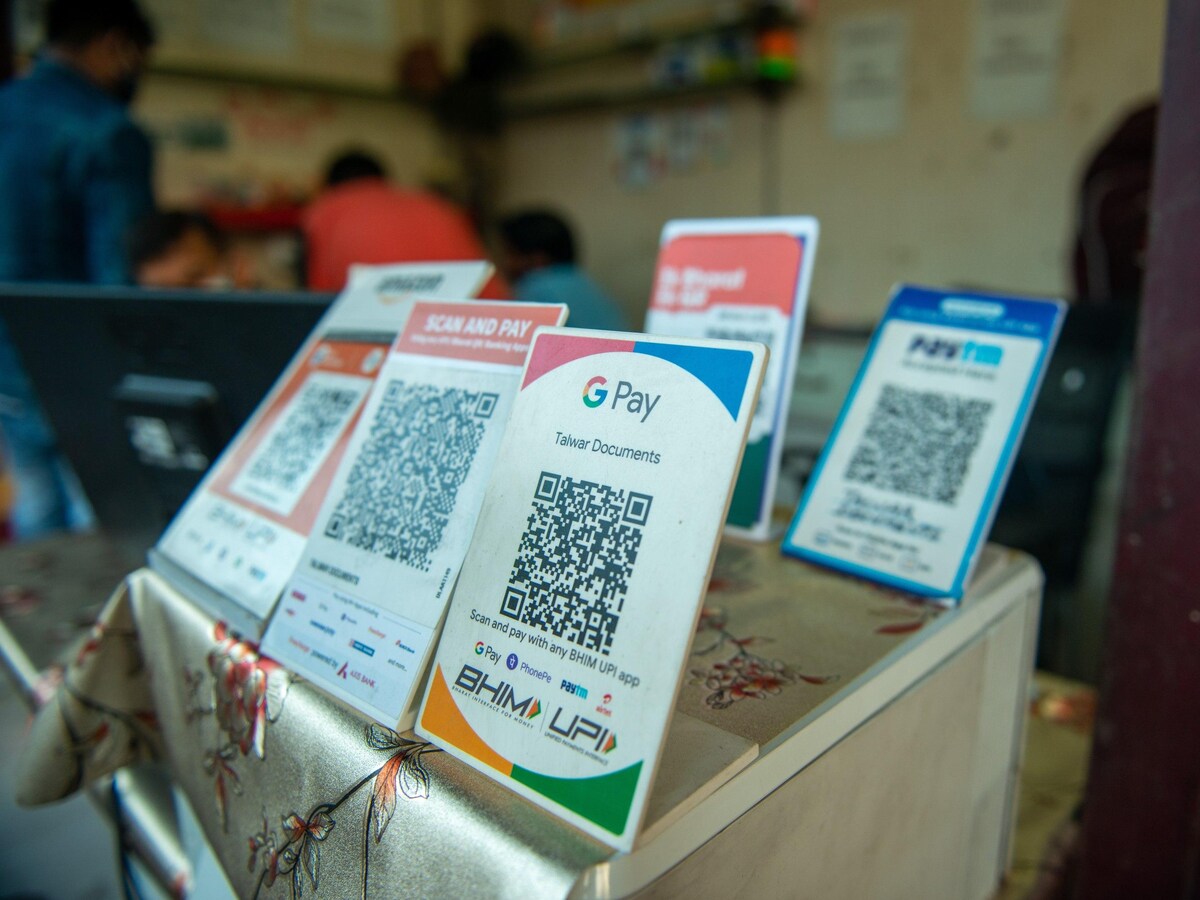
UPI transactions in India surpassed 11.7 billion in December 2023, totaling over INR 18.23 trillion ($220 billion) in value, underscoring the immense scale of the market despite its low monetization for payment service providers.
Background
The Unified Payments Interface, launched in 2016 by the National Payments Corporation of India (NPCI), rapidly transformed India's digital payments landscape, democratizing access to instant, interoperable transactions. Its success propelled India to the forefront of real-time payments globally. However, the subsequent government mandate for zero MDR on UPI transactions for certain categories, while beneficial for adoption, crippled the primary revenue stream for payment service providers. This created an existential challenge, forcing companies to explore alternative monetization avenues. Early players like Paytm, PhonePe, and Google Pay initially leaned heavily on cashbacks to capture users, establishing a precedent that proved difficult to sustain. The "new crop" refers to both established players refining their models and emerging fintechs entering the fray with these more nuanced, ecosystem-driven strategies from inception. This includes entities focused on credit-led rewards, specific merchant category offers, or integration with existing super-app aspirations.
The Bear Case
While the strategic pivot towards value-driven rewards is imperative, it is not without significant hurdles. The primary challenge lies in striking a delicate balance between providing attractive incentives and maintaining profitability. Overly complex reward structures can lead to user fatigue and low redemption rates, undermining the intended engagement. Furthermore, the ability to effectively leverage user data for cross-selling financial products raises pertinent questions around data privacy and regulatory compliance, particularly as global frameworks become more stringent. The competitive landscape remains fierce, with well-funded incumbents continuing to dominate. A 'super-app' strategy requires significant investment in building out diverse product lines, and not all players will have the capital or expertise to execute this effectively. The risk of diluting focus from the core payments experience in pursuit of ancillary revenues is also present, potentially eroding user trust and loyalty if the primary service falters. My perspective is that only those capable of genuinely integrating services, rather than simply bundling them, will differentiate successfully. What to watch in the coming quarters will be the efficacy of these diversified reward models in driving demonstrable revenue growth beyond transaction volumes. Key indicators include the average revenue per user (ARPU) from non-payments services, customer churn rates post-initial acquisition, and the uptake of credit and insurance products offered through these platforms. Regulatory developments concerning data usage and consumer protection will also be paramount, potentially shaping the scope and design of future reward programs. The market will be closely scrutinizing whether these strategies can truly bridge the gap between impressive transaction metrics and sustainable, profitable business models.
Frequently asked questions
What is the new strategy for UPI players?
UPI players are shifting from direct cashback to sophisticated, embedded value propositions, focusing on user acquisition and retention through more sustainable models in India.
Why are UPI players changing their cashback strategy?
They are moving away from unsustainable direct cashback models to reduce 'cash burn' and achieve more mature, value-driven growth in the competitive Indian digital payments market.
What are examples of embedded value propositions?
Embedded value propositions involve offering benefits beyond direct cash, such as loyalty points, exclusive partner deals, or integrated financial services that enhance the user experience and long-term engagement.
How does this pivot affect Indian digital payments?
This strategic pivot signals a maturation of the Indian digital payments landscape, leading to more sustainable business models and a focus on long-term user value rather than short-term incentives.
What is UPI?
UPI, or Unified Payments Interface, is an instant real-time payment system developed by the National Payments Corporation of India, allowing inter-bank peer-to-peer and person-to-merchant transactions.
Is this trend specific to India?
While the article focuses on Indian UPI players, the shift from unsustainable cash burn to value-driven strategies is a common maturation trend seen across various digital payment ecosystems globally.