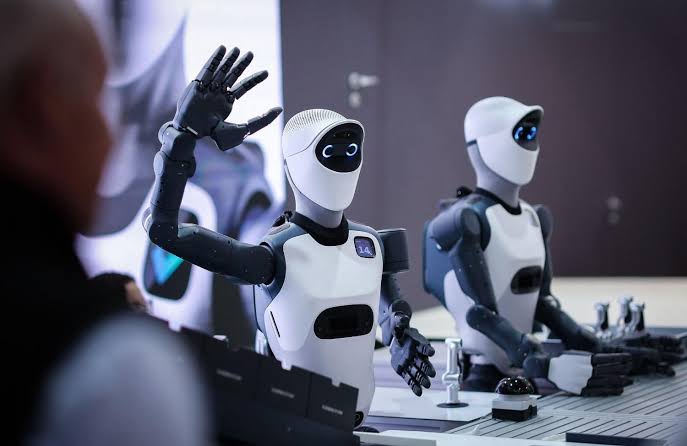
Despite a cautious VC market, a SoftBank-backed robotics firm is making a bold move with a significant Hong Kong IPO, signaling new optimism.
The venture capital world has been abuzz lately, mostly with talk of down rounds, cautious investors, and a frozen IPO window. Yet, a surprising counter-narrative is emerging from an unexpected corner: a SoftBank-backed robotics firm is reportedly gearing up for a significant initial public offering in Hong Kong. This isn't just another startup chasing public money; it's a bold move that speaks volumes about the enduring belief in automation, even as the global tech market recalibrates.
Here’s why this matters to anyone tracking the future of work and industry: a successful listing for a capital-intensive robotics company, especially one with SoftBank's imprimatur, would signal a potential thaw in the tech IPO market and a renewed investor appetite for "hard tech." It suggests that fundamental innovation, particularly in areas addressing critical economic bottlenecks, can still command attention and capital, even when the software-as-a-service darlings are struggling.
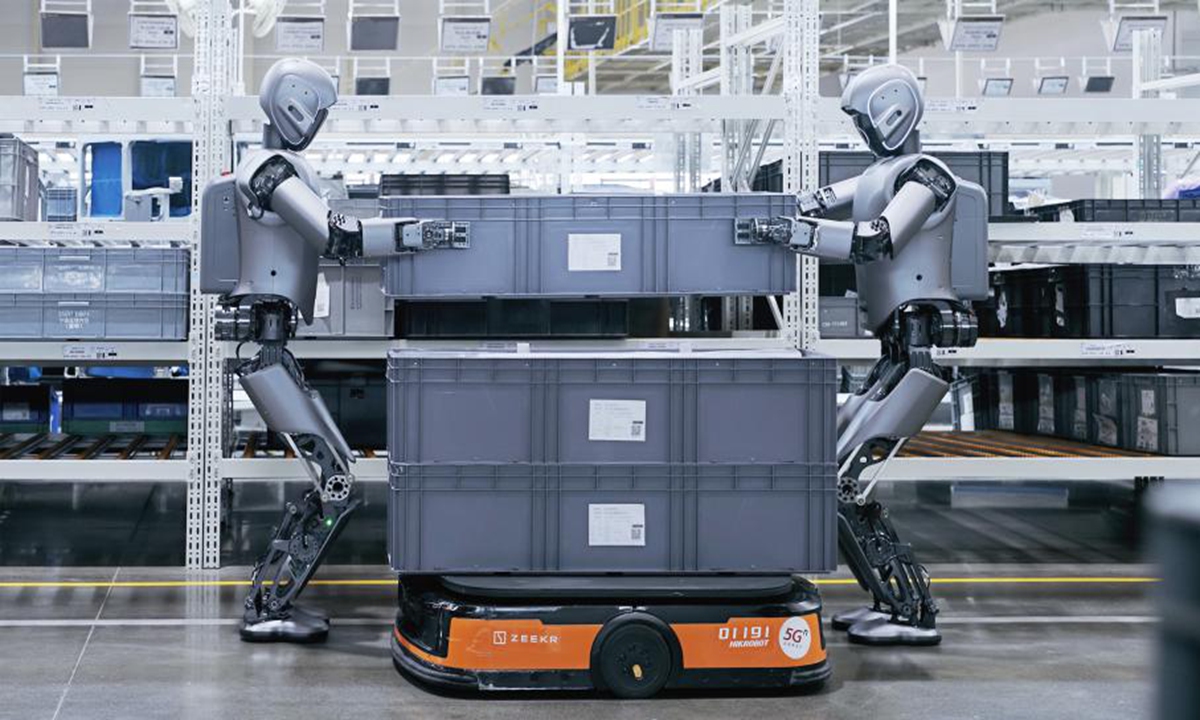
While the specific company remains under wraps, sources suggest it's a player in the industrial automation and logistics space, developing advanced robots that leverage artificial intelligence and machine vision to streamline warehouse operations and supply chains. Think sophisticated systems that can pick, sort, and move goods autonomously, making distribution centers more efficient and less reliant on manual labor. SoftBank, through its various Vision Funds, has poured billions into such ventures globally, betting big on the automation revolution transforming industries from manufacturing to e-commerce. Their investment in this particular firm reflects a long-held thesis that intelligent machines are not just an incremental improvement, but a foundational shift in how goods move around the world.
The reported valuation targets for this Hong Kong IPO are substantial, potentially reaching into the billions, a figure that would be a welcome shot in the arm for SoftBank’s portfolio. After a period where many of its high-profile tech bets faced significant write-downs and a less-than-enthusiastic public market reception, an exit of this scale would offer much-needed validation and liquidity. It underscores a shift in focus from pure growth at all costs to demonstrating a clear path to market dominance and, eventually, profitability in essential sectors.
For founders and investors in North America, this Hong Kong play is particularly intriguing. It’s not merely a distant transaction; it’s a strategic choice that reflects global capital dynamics and the search for favorable listing environments. With the U.S. IPO market remaining largely subdued for non-AI-pureplay tech, the decision to look eastward for public capital could establish a new precedent for other capital-intensive startups.
The Robotics Rebound, or a Risky Bet?
My read on this development is that it’s more than just one company's IPO; it’s a litmus test for the broader robotics and automation sector. For years, the promise of industrial robots has been clear: increased efficiency, reduced labor costs, and enhanced productivity. But the reality of bringing these complex, hardware-heavy solutions to market, scaling them, and making them profitable has proven incredibly challenging. The long sales cycles, high upfront capital expenditure for R&D and manufacturing, and the need for seamless integration into existing infrastructure have often meant that robotics companies burn through significant venture capital before seeing substantial returns.
Yet, the fundamental drivers for automation have only intensified. Global supply chain disruptions, persistent labor shortages across industries—from manufacturing floors to e-commerce warehouses—and the accelerating integration of AI into physical systems have created an undeniable urgency for robotic solutions. This isn't just about replacing human workers; it's about augmenting human capability, addressing tasks that are dull, dirty, or dangerous, and ensuring operational resilience in an unpredictable world. The narrative has shifted from "nice to have" to "must have" for many enterprises, and this demand creates a powerful tailwind for companies that can deliver reliable, scalable automation.
What strikes me here is the potential signal this IPO sends to other founders building in robotics and hardware. It reinforces the idea that despite the macroeconomic headwinds, truly impactful, problem-solving technology will find its path to market and capital. It suggests that investors, SoftBank included, are learning from past cycles and perhaps focusing on companies that solve tangible, immediate business problems rather than purely speculative, long-horizon plays. This means a greater emphasis on unit economics, customer adoption, and a clear path to scale.
The Hong Kong Gambit
The choice of Hong Kong for the listing is perhaps the most fascinating strategic element. In recent years, Hong Kong's status as a global financial hub has faced headwinds, caught between geopolitical tensions and economic shifts. Yet, for certain types of companies, particularly those with a strong operational presence or customer base in Asia, or those seeking access to a different investor pool, it can still be a viable, if not strategic, option. For a company that likely has significant manufacturing or deployment activities in Asia, listing closer to its operational core or target markets could offer certain advantages, including investor familiarity with its business model and regional growth prospects.
This move could also be a calculated bet on the future of Asian capital markets for technology companies. While the allure of NASDAQ remains strong for many global tech firms, the regulatory landscape, investor sentiment, and valuation multiples can vary significantly. By choosing Hong Kong, this robotics firm and its investors might be tapping into a market segment eager for high-growth, innovative technology companies, especially those addressing critical industrial needs within the region's massive manufacturing and logistics sectors. It’s a pragmatic approach to capital raising in a fragmented global market, potentially diversifying their investor base and setting a precedent for other "deep tech" companies.
Looking ahead, a successful Hong Kong IPO for a SoftBank-backed robotics firm would represent a significant milestone for the entire startup ecosystem. It would provide much-needed validation for the capital-intensive, hardware-plus-software model that characterizes so much of the advanced technology being developed today. For North American founders and VCs, it’s a clear indication that while the IPO market might be quiet at home, global opportunities for exits and growth capital still exist for companies solving critical, real-world problems with robust technology. It’s a testament to the fact that innovation, especially when it addresses fundamental economic inefficiencies, will always find its way to market, regardless of the prevailing sentiment on Wall Street.
Frequently asked questions
What is the main news about a SoftBank-backed robot maker?
A SoftBank-backed robotics firm is reportedly preparing for an initial public offering (IPO) in Hong Kong, going against the current trend of cautious venture capital investment and a frozen IPO market.
Why is this IPO considered surprising?
It's surprising because it defies the current venture capital landscape, which has seen many "down rounds" and a generally frozen IPO window. This move suggests an unexpected level of market optimism.
What does a Hong Kong IPO mean for the company?
A Hong Kong IPO would allow the robotics firm to access public capital, expand its operations, and gain significant global visibility. It also reinforces Hong Kong's role as a major market for tech listings.
What is SoftBank's involvement in this IPO?
SoftBank is a major investor and backer of the robotics firm, indicating their confidence in the company's potential and its readiness for a significant public offering on the Hong Kong stock exchange.
How does this IPO relate to current venture capital trends?
This IPO acts as a counter-narrative to prevalent venture capital trends, which have been characterized by down rounds, cautious investors, and a general slowdown in new public offerings in recent times.
Where is the robot maker's IPO expected to take place?
The initial public offering for the SoftBank-backed robot maker is reportedly gearing up to take place in Hong Kong, a key financial hub in Asia.