SpaceX's Starlink aggressively targets US consumers, potentially disrupting cellular networks and reshaping the telecom industry.
Is SpaceX finally ready to deliver on the promise of truly ubiquitous mobile connectivity, challenging the very foundation of cellular networks? The company's aggressive pivot to directly target U.S. consumers with Starlink's mobile service push signals a strategic move that could fundamentally re-rate the telecom sector's long-term growth prospects and incumbent valuations, particularly for those reliant on rural coverage.
Elon Musk's satellite internet venture, Starlink, is making a decisive leap from fixed broadband to a mobile-first strategy, leveraging its Direct to Cell (DtC) technology. This initiative, initially rolling out text messaging capabilities across the United States, is set to expand to voice and data services in 2025. The ambition here is not merely to augment existing cellular coverage but to establish a parallel, pervasive network accessible by unmodified smartphones, a development with profound implications for how we conceive of telecom infrastructure and market access.
SpaceX has forged pivotal partnerships to realize this vision. In the U.S., a significant collaboration with T-Mobile provides the necessary terrestrial spectrum access, allowing Starlink's satellites to communicate directly with standard cellular devices. Similar agreements have been struck globally, including with Rogers in Canada, Optus in Australia, and KDDI in Japan, underscoring a calculated international expansion strategy. These partnerships are critical, enabling Starlink to bypass the immense capital expenditure of building out ground infrastructure from scratch, instead focusing on its core competency in satellite deployment and operations.
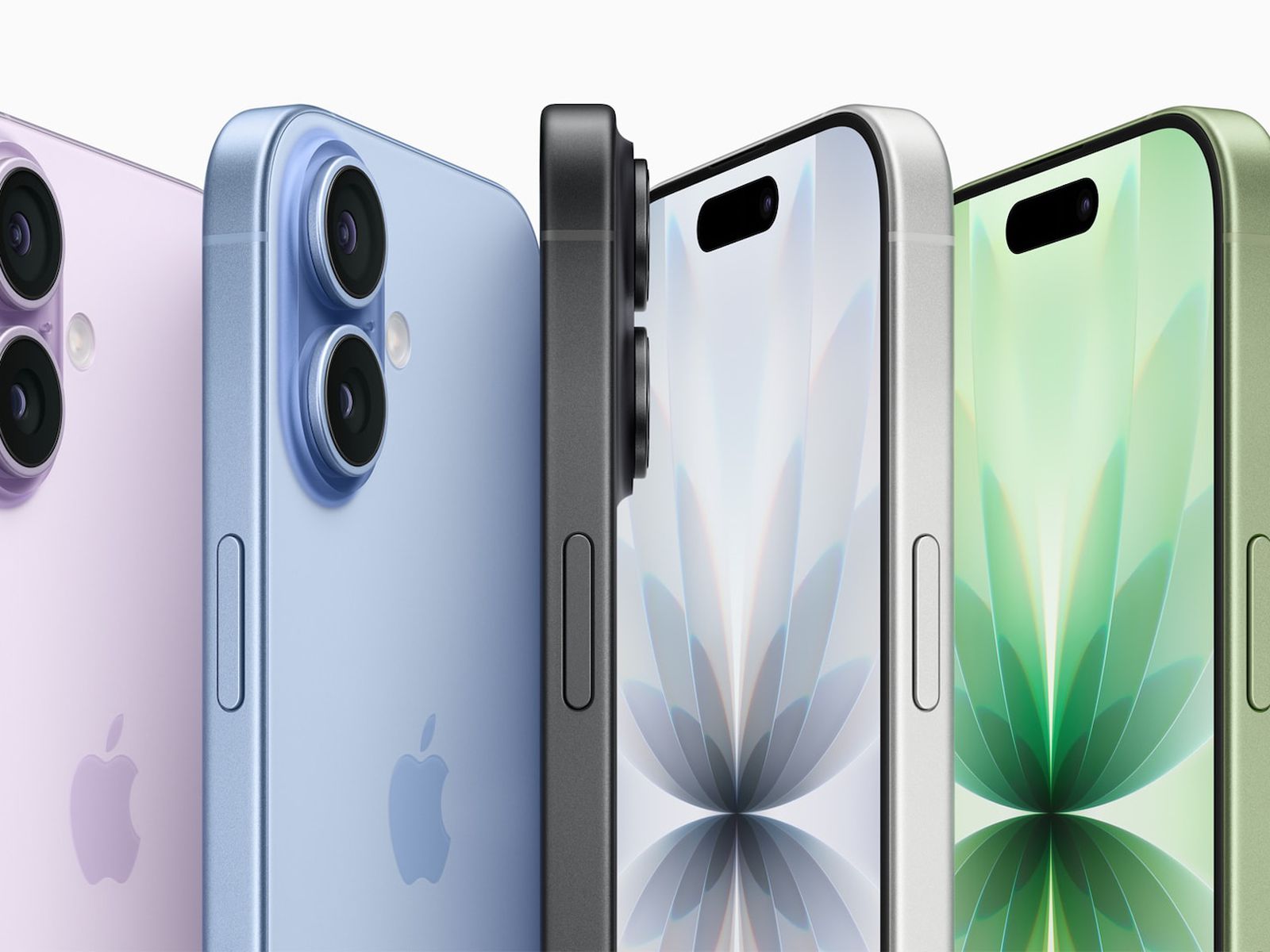
The technical underpinning of this endeavor relies on SpaceX's rapidly expanding constellation of Low Earth Orbit (LEO) satellites, particularly the newer V2 Mini and upcoming V3 iterations. These advanced satellites are equipped with sophisticated phased array antennas, capable of beaming cellular signals directly to phones on the ground. This architectural shift from requiring a dedicated Starlink dish to leveraging existing smartphone hardware represents a significant reduction in friction for consumer adoption, potentially unlocking a market previously constrained by hardware costs and installation complexities.
My read on this development is that it represents a calculated escalation in the "new space" economy's influence on established sectors. SpaceX is not just selling internet; it's selling the foundational layer of communication, unbundling it from traditional ground-based infrastructure. This move forces every mobile network operator, every regional carrier, to reassess their competitive advantage and their long-term capital allocation strategies in an increasingly interconnected world.
What It Means
The implications of Starlink's mobile service push are multifaceted, spanning market disruption, geopolitical leverage, and a redefinition of connectivity standards. For the telecommunications industry, this is an existential challenge to the traditional MNO business model, particularly for those serving vast rural or remote geographies where terrestrial infrastructure is prohibitively expensive to deploy and maintain. Suddenly, the total addressable market for advanced mobile services expands dramatically, but the competitive landscape shifts underfoot.
This initiative could trigger a significant re-evaluation of telecom asset valuations. Companies with strong urban density might be insulated, but those with extensive rural footprints, often operating on thinner margins for coverage expansion, could see their competitive moat erode. The ability for any standard smartphone to connect directly to a satellite, bypassing local cell towers, fundamentally changes the economics of last-mile connectivity. It pushes the industry towards a more software-defined network paradigm, where the physical layer becomes increasingly commoditized, and value accrues to service orchestration and application layers.
Beyond market dynamics, the strategic importance of ubiquitous connectivity cannot be overstated. Starlink DtC offers a robust solution for disaster recovery, providing immediate communication capabilities when ground infrastructure is compromised. It also has profound geopolitical ramifications, offering independent communication channels that could prove vital in conflict zones or regions with restrictive internet policies. This dual-use potential adds a layer of complexity and value beyond pure commercial metrics, making Starlink a critical piece of global infrastructure.
Over 2.6 Million Subscribers
Starlink currently serves more than 2.6 million active subscribers globally, primarily through its fixed broadband service. The introduction of Direct to Cell services for unmodified smartphones has the potential to expand its user base exponentially, tapping into the vast global market of over 6.8 billion smartphone users, many of whom experience connectivity gaps daily.
The Context
SpaceX's journey with Starlink began with a vision to provide high-speed, low-latency internet access to underserved areas globally. Launched in 2019, the constellation has rapidly grown to over 6,000 satellites in Low Earth Orbit, making it the largest satellite operator by a significant margin. Initially, Starlink focused on residential and business broadband, requiring a specialized ground terminal. This strategy successfully demonstrated the viability of LEO constellations for internet delivery, a concept that had eluded previous generations of satellite communication companies.
The evolution to Direct to Cell is a natural, albeit technically challenging, progression of this vision. The idea of direct satellite-to-phone communication has been a holy grail for decades, with earlier attempts often hindered by bulky hardware, high costs, and limited bandwidth. What makes Starlink's approach different is the sheer scale of its constellation, the advanced capabilities of its latest generation satellites, and Musk's relentless drive to integrate vertical technologies, from rocket manufacturing to satellite operations and internet service provision.
This move also aligns with a broader trend in the venture capital ecosystem, where significant investments are flowing into "new space" ventures. Companies like AST SpaceMobile and Lynk Global are also pursuing direct-to-cell capabilities, indicating a shared belief in the market's potential. However, SpaceX's advantage lies in its existing launch infrastructure, manufacturing scale, and operational experience, giving it a potentially insurmountable lead in constellation deployment velocity and cost efficiency. This puts Starlink in a unique position to set the pace and standard for this emerging segment of the telecom market.
What Analysts Say
While the market potential for Starlink's DtC service is immense, the path to widespread, high-bandwidth mobile connectivity is fraught with technical and regulatory hurdles. Analysts consistently point to bandwidth limitations as a primary concern. The initial text-only service will likely be robust, but scaling to voice and particularly high-speed data for millions of simultaneous users on unmodified phones presents significant engineering challenges. Each satellite has finite capacity, and sharing that among a broad user base could lead to congestion and degraded performance, especially in densely populated areas.
Regulatory complexity also looms large. Operating a global mobile service requires navigating a patchwork of national and international spectrum regulations, licensing requirements, and data privacy laws. While partnerships with local MNOs can mitigate some of this, achieving seamless, borderless mobile service without additional regulatory friction will be a monumental task. Furthermore, incumbent carriers may lobby intensely against a service that bypasses their infrastructure, potentially leading to prolonged legal battles or restrictive policy changes.
The bear case often highlights the competitive response from terrestrial 5G networks. As 5G infrastructure expands, particularly with initiatives to cover rural areas, Starlink DtC will face a robust, low-latency alternative. The pricing strategy for Starlink's mobile service will be critical; it must offer compelling value against established plans, or position itself as a premium, always-on backup solution. My view is that the primary market for DtC will initially be true dead zones and specialized enterprise applications, with broader consumer adoption dependent on significant performance improvements and competitive pricing.
What to watch in the coming quarters will be the pace of Starlink's V3 satellite launches, which are crucial for enhancing DtC capabilities. Investors should also monitor the regulatory approvals for voice and data services in the U.S. and key international markets. The performance metrics of the initial text messaging rollout will offer a glimpse into the system's stability and scalability. Any announcements regarding Starlink's potential IPO or further significant funding rounds will undoubtedly move markets, reflecting the perceived value of this ambitious play for global mobile dominance.
Frequently asked questions
What is Starlink's new mobile service in the US?
Starlink is launching a direct-to-consumer mobile service in the U.S., leveraging its satellite network to offer ubiquitous connectivity, aiming to compete with traditional cellular networks.
How will Starlink mobile challenge cellular networks?
By offering direct satellite-to-phone connectivity, Starlink could bypass existing cellular infrastructure, providing service in remote or underserved areas and potentially offering a cheaper alternative.
Which companies are most affected by Starlink's mobile push?
Major cellular carriers like AT&T, Verizon, and T-Mobile, along with other telecom providers, face potential disruption and re-evaluation of their market share and growth prospects.
Is Starlink mobile service available nationwide in the US?
The article suggests an aggressive push targeting US consumers, implying a broad rollout, but specific availability details would require checking Starlink's official announcements.
What is the potential impact on telecom stock valuations?
The entry of Starlink as a direct mobile competitor could lead to a 're-rating' of incumbent telecom valuations, reflecting increased competition and potential market share shifts.
Will Starlink mobile replace my home internet?
While Starlink offers satellite internet, its mobile service is primarily aimed at portable or direct-to-phone connectivity, complementing rather than fully replacing fixed home broadband for most users.