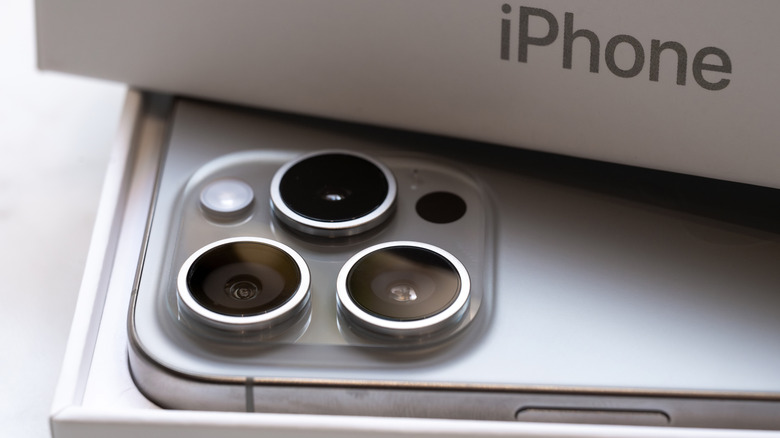
Apple's iPhone 17 Pro models ditched titanium for an aluminum unibody, prioritizing advanced cooling, performance, and manufacturing efficiency over the premium metal.
Apple Inc. strategically pivoted away from a full titanium frame for its flagship iPhone 17 Pro and Pro Max models, opting instead for an aluminum unibody chassis integrated with an advanced vapor chamber, a move that analysts suggest significantly enhances thermal management and manufacturing efficiency while potentially bolstering sustained device performance. This material engineering decision, implemented in September 2025, addresses previous overheating concerns and unlocks a reported 40% improvement in sustained performance for the A19 Pro chip compared to its predecessor, directly impacting the device's capability for high-end gaming and on-device artificial intelligence processing.
The transition marks a notable shift from the iPhone 15 Pro's widely marketed "strong and lightweight titanium design" introduced in September 2023, which Apple lauded as enabling its "lightest Pro models ever." While the iPhone 15 Pro models utilized an internal aluminum structure wrapped in titanium, the iPhone 17 Pro represents a comprehensive redesign, featuring a 7000-series aluminum alloy unibody that curves towards the back, encapsulating an enlarged camera module. This revised architecture allows for a laser-welded vapor chamber, a component Apple touts as central to delivering "best-ever thermal performance" and a substantial leap in battery life by dissipating heat more effectively through the aluminum chassis.
Beyond thermal advantages, the adoption of aluminum for the Pro models carries significant manufacturing and design benefits. Producing the unibody structure from aluminum is considerably less expensive, both in terms of raw material sourcing and machining complexity, compared to titanium. This cost efficiency, coupled with the ease of machining aluminum, has enabled Apple to implement design changes such as an expanded camera module, which in turn frees up internal space for larger batteries. Furthermore, the aluminum chassis supports improved antenna integration and facilitates more vivid color finishes, exemplified by the well-received Cosmic Orange option, a palette not as readily achievable with titanium.
What It Means
The strategic re-evaluation of material selection for Apple's Pro lineup underscores a prioritization of functional performance and manufacturing economics over the perceived premium of exotic materials for a specific product tier. By leveraging aluminum's superior thermal conductivity and cost profile for its most performance-intensive devices, Apple aims to secure a competitive edge in demanding applications like mobile gaming and the rapidly evolving domain of on-device AI processing, where sustained computational power is paramount. This decision could have ramifications for Apple's gross margins, potentially improving them through reduced manufacturing costs, while simultaneously enhancing the user experience in performance-critical scenarios.
This engineering choice also reflects Apple's response to the broader smartphone market, where rival Android flagships had already integrated vapor chamber cooling solutions. By adopting an advanced cooling system within an aluminum unibody, Apple is addressing a previous competitive gap and enhancing sustained performance in its premium tier, thereby mitigating a previous vulnerability related to thermal throttling. The ability of the A19 Pro chip to achieve 40% better sustained performance directly translates into a more robust platform for future software innovations and power-intensive applications, maintaining Apple's leadership in the high-end smartphone segment.
The iPhone 17 Pro's A19 Pro chip achieves 40% better sustained performance than its A18 Pro predecessor, attributed to the new aluminum unibody design and integrated vapor chamber for enhanced thermal management.
The Context
Apple's initial foray into titanium frames with the iPhone 15 Pro in September 2023 was met with significant marketing emphasis on its lightweight and robust qualities. However, early reports of overheating issues, though later addressed by software updates, highlighted the thermal challenges associated with high-performance chips like the A17 Pro within a titanium-clad design. While the iPhone 16 Pro models in September 2024 introduced improved heat dissipation, they notably did not include a vapor chamber, maintaining the titanium frame.
The comprehensive redesign of the iPhone 17 Pro models in September 2025, featuring the aluminum unibody and integrated vapor chamber, represents the culmination of Apple's efforts to fundamentally address thermal performance. This shift was subtly communicated by Apple's marketing, which emphasized the "all-new design" and the vapor chamber's role in delivering enhanced performance and battery life, without explicitly detailing the departure from titanium for the Pro models. However, Apple has not entirely abandoned titanium. The iPhone Air, also introduced in September 2025, features a titanium frame, lauded for its "breakthrough titanium design that is elegant and light yet strong," particularly important for its ultra-thin 5.6 mm profile and ensuring structural integrity against bending.
The differentiated application of titanium across Apple's product portfolio signals a more nuanced material strategy. For the iPhone Air, titanium serves as a key enabler for extreme thinness and durability, aligning with the product's design ethos. Speculation also suggests the rumored iPhone Fold, anticipated for a September 2026 launch, may integrate titanium in its frame and hinge components, again leveraging the material's strength-to-weight ratio for complex, thin-profile foldable designs. This indicates Apple is deploying titanium where its specific properties, such as high strength and low density, are critical for structural integrity and premium feel, while reserving aluminum for scenarios where thermal performance and cost efficiency are paramount, particularly within the Pro models' demanding performance envelope.
Looking ahead, market participants will closely monitor Apple's material choices for forthcoming devices, particularly the rumored iPhone Fold in September 2026, to discern the company's long-term strategy for balancing premium materials, manufacturing costs, and escalating performance demands. The success of the iPhone 17 Pro’s aluminum-based thermal solution will likely influence future design iterations and could set a precedent for how Apple manages the trade-offs between perceived luxury and practical engineering requirements across its diverse product lines, directly impacting competitive positioning and investor sentiment.
Frequently asked questions
Why did Apple stop using titanium for the iPhone 17 Pro?
Apple switched from titanium to an aluminum unibody for the iPhone 17 Pro models primarily to improve thermal management and sustained performance. The new aluminum chassis integrated a laser-welded vapor chamber, which significantly enhances heat dissipation compared to titanium.
What material did Apple use for the iPhone 17 Pro instead of titanium?
For the iPhone 17 Pro and Pro Max, Apple transitioned to a 7000-series aluminum alloy unibody chassis. This material choice was central to introducing an advanced cooling system.
Did titanium cause overheating issues in previous iPhone models?
The iPhone 15 Pro models, which first featured a titanium frame, did experience overheating issues for early buyers. While Apple addressed this with a software update, the subsequent shift to aluminum in the iPhone 17 Pro models directly tackled thermal performance with a redesigned cooling system.
What are the benefits of the aluminum unibody in the iPhone 17 Pro?
The aluminum unibody in the iPhone 17 Pro offers several benefits, including superior thermal performance with an integrated vapor chamber, lower manufacturing costs, increased internal space for larger batteries and camera modules, and support for more vivid finishes.
Is Apple still using titanium in any of its iPhones?
Yes, Apple still utilizes titanium in certain models. The iPhone Air features a titanium frame for enhanced durability and a thin profile, and the rumored iPhone Fold is also expected to incorporate titanium components.
How does the new cooling system in the iPhone 17 Pro improve performance?
The iPhone 17 Pro's new cooling system, featuring an aluminum unibody with a laser-welded vapor chamber, allows the A19 Pro chip to achieve 40% better sustained performance. This enables high-end experiences like advanced gaming, video editing, and on-device AI models without thermal throttling.