Coinbase, BlackRock, and Visa back a rival Open USD stablecoin, challenging Circle's USDC dominance. A new era for digital money.
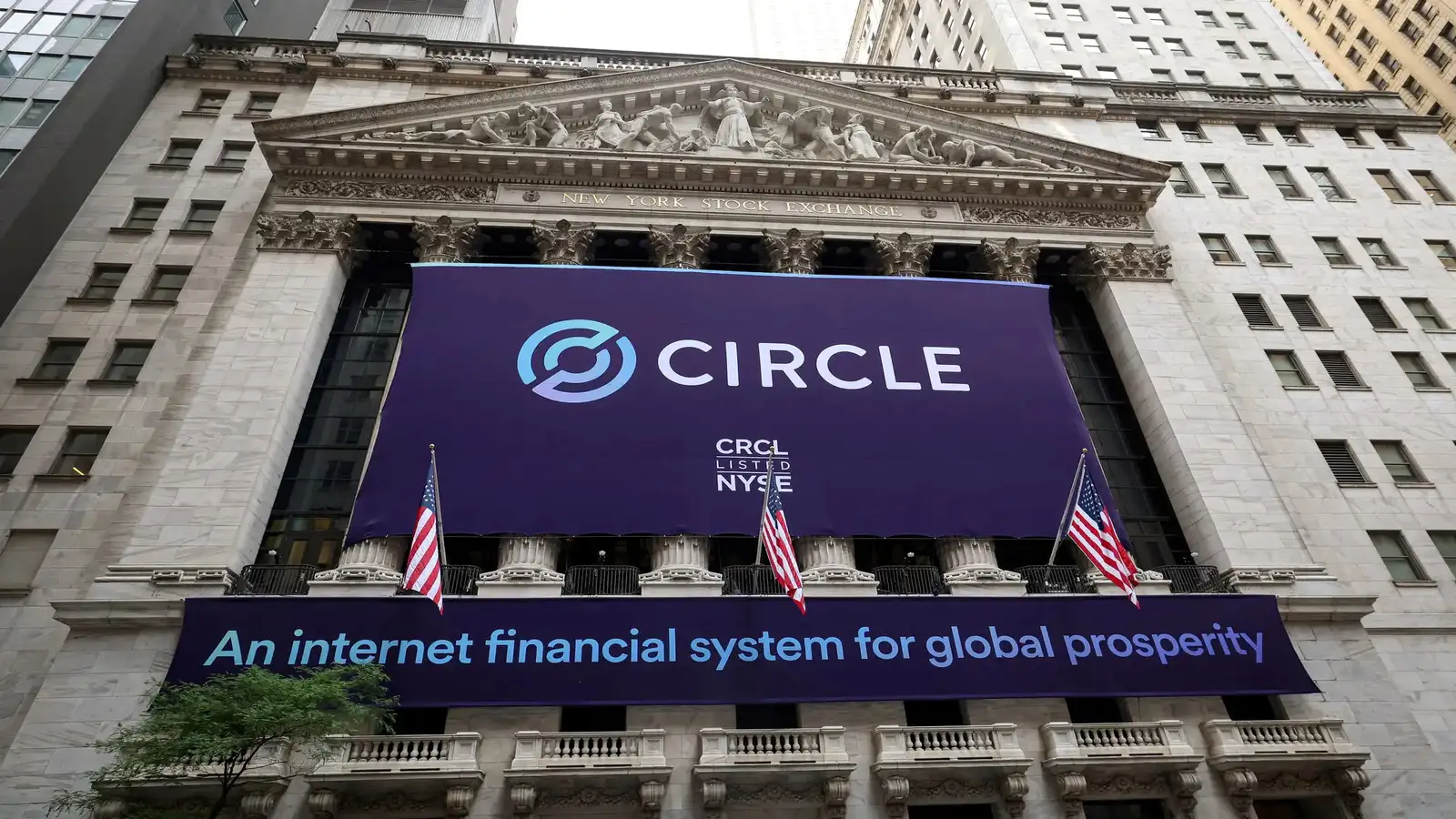
The world of digital currencies just got a lot more interesting, and potentially a lot more competitive for one major player. Circle, the issuer behind the USDC stablecoin, is seeing its market position questioned after a major announcement from an unlikely consortium of financial giants. This isn't just about crypto; it’s about the future of money itself and how everyday transactions could be radically reshaped. Here's what happened: Coinbase, the largest crypto exchange in the US, along with traditional finance behemoths BlackRock and Visa, revealed their backing for a new, open-source protocol aimed at creating a decentralized, permissionless USD stablecoin. This move sends a clear signal that the financial industry's heavy hitters are keen on shaping the next generation of digital dollar infrastructure, potentially challenging established players like Circle. Circle's USDC has long been a cornerstone of the crypto economy, a reliable dollar-pegged stablecoin used for everything from trading on exchanges to facilitating DeFi (decentralized finance) applications. Its growth has been monumental, positioning Circle as a potential IPO candidate with significant valuation expectations. The company has banked on its regulated, transparent model for USDC, which is backed 1:1 by dollar reserves held in segregated accounts. This new initiative, however, aims to build a stablecoin that operates on an "open standard," implying a broader, potentially more decentralized and less centrally controlled approach than USDC. The announcement did not name the specific stablecoin project, but the implications are clear. A major collective push from such influential players could rapidly establish a new market leader or at least significantly fragment the stablecoin landscape. Coinbase, having recently ended its direct equity stake in Circle and its governance role in the Centre Consortium (the body initially overseeing USDC), is now firmly signaling a different path forward. This strategic shift from Coinbase alone is a powerful indicator of changing alliances and ambitions within the digital asset space. BlackRock and Visa's involvement brings a critical layer of mainstream legitimacy and distribution power. BlackRock, the world's largest asset manager, has been increasingly active in tokenization and crypto, seeing it as the next frontier for financial markets. Visa, a global payments giant, has consistently explored how blockchain technology can integrate with its vast network, often through partnerships with stablecoin issuers. Their collective endorsement of an "open" stablecoin standard could accelerate adoption far beyond the crypto native community, bringing it closer to everyday commercial use.
Why this matters for the future of money
This isn't just an internal crypto squabble; it's a battle for the underlying rails of the digital economy. Stablecoins are critical bridges between the volatile world of cryptocurrencies and the stability of fiat currencies. They offer instant, borderless settlement and are increasingly seen as a foundational layer for everything from cross-border payments to new forms of programmable money. The push for an "open" USD stablecoin by such powerful entities signals a desire to prevent any single private entity from monopolizing this critical infrastructure. It implies a vision where the digital dollar is a public good, or at least governed by a broader consortium, rather than a proprietary product. My read here is that the consortium is essentially making a play for a more permissionless, censorship-resistant, and potentially more resilient stablecoin infrastructure. USDC, while highly regulated and transparent, still operates under the centralized control of Circle. An "open" standard, potentially using a decentralized autonomous organization (DAO) or similar governance model, could offer a different value proposition, attracting developers and users who prioritize decentralization and community ownership. This aligns with the broader ethos of Web3, moving away from centralized gatekeepers. The timing is also crucial. Regulators in North America and globally are scrutinizing stablecoins with increasing intensity. The US Treasury Department and Federal Reserve have repeatedly highlighted the need for robust regulation, particularly around reserve backing and systemic risk. A stablecoin project backed by such influential players, designed with open standards and potentially broader oversight, could be framed as a more palatable option for regulators wary of single points of failure or potential monopolies. It's a pragmatic move to shape the regulatory narrative while also innovating.
The evolving stablecoin landscape and Circle's challenge
Circle's business model is deeply intertwined with USDC. The company generates revenue from the interest earned on its reserve assets and from various enterprise services built around the stablecoin. A significant challenge to USDC's market dominance could directly impact Circle's valuation, particularly as it eyes a public listing. If a new, heavily backed open-source stablecoin gains traction, it could lead to a fragmentation of liquidity, reduced usage of USDC, and ultimately, a hit to Circle's revenue projections. This is a direct competitive threat that goes beyond typical market fluctuations. This development also highlights a broader trend: the convergence of traditional finance (TradFi) and decentralized finance (DeFi). BlackRock and Visa are not just dabbling; they are actively shaping the underlying architecture of digital assets. This isn't just about investing in crypto; it's about building the financial operating system of the future. Their involvement suggests a move towards a hybrid model where institutional rigor meets blockchain's efficiencies, potentially paving the way for wider institutional adoption of digital currencies for payments and settlement. The implications for venture capital in the crypto space are also profound. Investors have poured billions into companies like Circle, betting on their ability to build foundational infrastructure. This new consortium-backed initiative signals that the "winner-take-all" dynamic in stablecoins might be evolving towards a more collaborative, yet competitive, ecosystem. Startups looking to innovate in the stablecoin or digital payments sector will now need to consider how they can integrate with or differentiate from such powerful, multi-stakeholder initiatives, rather than just competing with existing players. It forces a recalibration of market strategies and investment theses. Looking ahead, the market will be closely watching for details on this new open stablecoin initiative. Will it be built on an existing blockchain or a new one? How will its governance structure ensure decentralization while meeting regulatory requirements? These questions are paramount. For Circle, the challenge will be to continue innovating and demonstrating the unique value proposition of USDC, perhaps by deepening its enterprise offerings or expanding into new geographic markets. The stablecoin race just got significantly more complex and interesting, pushing all players to define their strategic advantage in a rapidly evolving digital economy. This is a foundational shift, not just a momentary dip, and it will reshape investment flows and strategic partnerships for years to come.
Frequently asked questions
What is the Open USD stablecoin backed by Coinbase and BlackRock?
The Open USD stablecoin is a new digital currency initiative supported by a consortium including Coinbase, BlackRock, and Visa. It aims to compete with existing stablecoins like Circle's USDC by offering a new standard for everyday digital transactions and financial innovation.
Why is Circle stock diving?
Circle's stock is diving due to the announcement that major financial players like Coinbase, BlackRock, and Visa are backing a rival stablecoin, Open USD, which threatens Circle's market share with its USDC stablecoin.
Who is backing the new Open USD stablecoin?
The new Open USD stablecoin is backed by a powerful consortium of financial giants, including Coinbase, BlackRock, and Visa.
How does Open USD impact USDC?
Open USD directly impacts USDC by introducing a new, well-backed competitor into the stablecoin market, potentially eroding USDC's dominance and market share.
What is a stablecoin?
A stablecoin is a type of cryptocurrency designed to minimize price volatility by pegging its value to a stable asset, such as the U.S. dollar or gold.
Is this about cryptocurrency?
While related to cryptocurrency, this development is more broadly about the future of digital money, financial innovation, and how everyday transactions could be radically transformed.