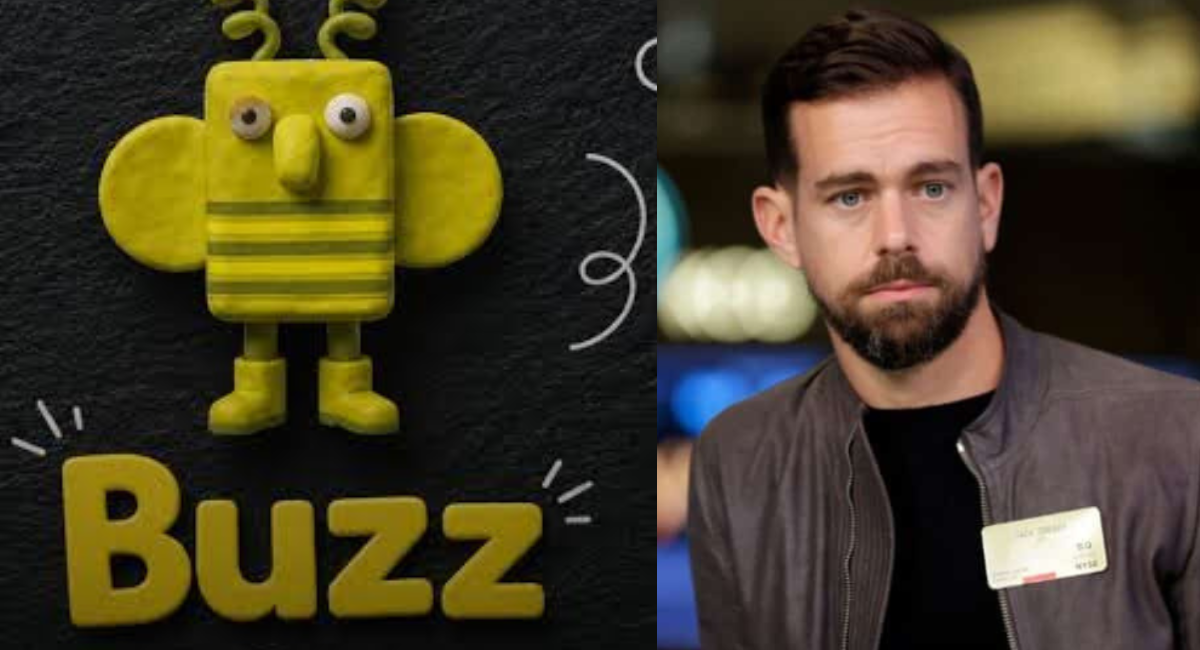
Visionary Jack Dorsey launches Buzz, a revolutionary group chat platform integrating humans and AI agents to redefine enterprise communication.
Jack Dorsey's Buzz Takes Aim at Slack with AI Agents, Signalling a New Era for Enterprise Collaboration
Jack Dorsey, the visionary co-founder of Twitter and Block, has launched a new application called Buzz, directly challenging established workplace communication giants like Slack. This isn't just another chat app; Buzz is designed from the ground up to integrate humans and their AI agents seamlessly into the same conversations, heralding a significant shift in how teams might collaborate in the future. It’s a bold move that could redefine the enterprise software playbook. Here's what happened: Dorsey officially unveiled Buzz, positioning it as a group chat platform for teams and their AI agents. Buzz’s core utility involves enabling a group chat platform for teams and their AI agents. The market for AI-native collaboration tools is heating up, with Dorsey's Buzz entering alongside other innovative solutions.
Why this isn't just another chat app
From an ecosystem-insider perspective, what's truly striking about Buzz isn't just its features, but the philosophical underpinnings. This isn't merely about adding AI to chat; it's about fundamentally rethinking the architecture of work. My read is that this move by Dorsey and Block points towards a broader trend: the "agentic workflow." We're moving beyond simple chatbots to sophisticated AI agents that can perform complex tasks, coordinate with other agents, and interact directly with human team members. Managing these agents effectively is becoming a central challenge for productivity, and traditional chat platforms, while attempting to integrate AI, were not built with this paradigm in mind. Buzz is trying to be native to this new world, not an adaptation of an old one. This focus on first-principles design for an AI-centric future is what truly differentiates it and makes it a potent disruptor.
What this means for founders and the venture landscape
For founders navigating the crowded enterprise software market, Buzz presents both an opportunity and a challenge. On one hand, it validates the burgeoning need for AI-native tools that go beyond superficial integrations. For new startups, particularly those heavily reliant on AI agents from day one, adopting Buzz could mean building on a foundation that aligns with their future operational needs without the baggage of legacy systems. On the other hand, Early adopters will inevitably face some rough edges. Migrating an established team from a deeply entrenched platform like Slack or Microsoft Teams is a monumental task, fraught with resistance and operational hurdles. The real test for Buzz will be its ability to scale, mature rapidly, and demonstrate clear, tangible benefits over incumbent solutions that are also aggressively integrating AI. The venture capital community will be watching closely, as the success of platforms like Buzz could signal the next wave of investment opportunities in AI-first enterprise infrastructure, potentially drawing capital away from "AI-enabled" but fundamentally legacy software. The implications for existing players are also profound. Slack, now part of Salesforce, and Microsoft Teams will undoubtedly feel the pressure to accelerate their own AI agent strategies, moving beyond simple plugins to more deeply integrated approaches. The competition is not just about features anymore; it’s about architectural philosophy and who can best serve the future of work where AI is not just a tool, but a participant. This forces incumbents to innovate or risk being outmaneuvered by nimble, AI-first challengers who are building for a reality that is already here. Ultimately, Dorsey's entry into the AI-native collaboration space with Buzz is more than just a product launch; it's a strategic declaration. It underscores a belief that the future of work will be defined by AI agents working in concert with humans, and that the platforms facilitating this collaboration must align with this vision. For founders and investors alike, keeping a close eye on Buzz's trajectory and the broader "agentic workflow" trend is crucial, as it provides a clear signal of where the next significant value in enterprise software is likely to be created.
Frequently asked questions
What is Buzz?
Buzz is Jack Dorsey's new group chat platform designed to challenge Slack, integrating humans and AI agents for enhanced enterprise collaboration.
Who launched Buzz?
Buzz was launched by Jack Dorsey, the visionary co-founder of Twitter and Block (formerly Square).
How does Buzz differ from Slack?
Buzz primarily distinguishes itself by its built-in integration of AI agents alongside human team members, aiming to redefine modern workplace communication.
What are AI agents in Buzz?
AI agents in Buzz are artificial intelligence entities designed to assist human teams, automating tasks, providing insights, and facilitating communication within the platform.
Why is Jack Dorsey creating a Slack competitor?
Jack Dorsey is creating Buzz to introduce a new paradigm in enterprise collaboration, leveraging AI agents to offer a more advanced and integrated communication solution than existing platforms like Slack.
What is Jack Dorsey's new venture?
Jack Dorsey's new venture is Buzz, a group chat platform specifically designed for teams and their AI agents, directly competing with established players like Slack.