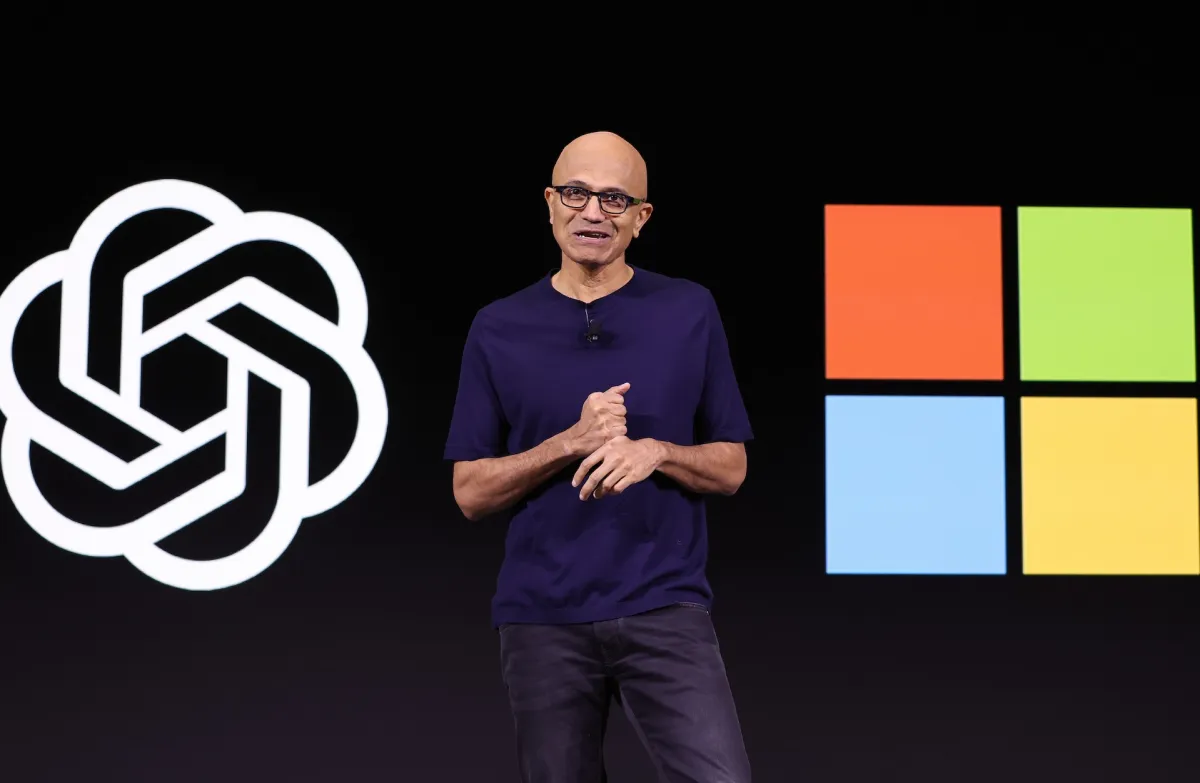
As Big Tech pours billions into AI, Microsoft faces growing pressure for efficiency, leading to significant layoffs across its global workforce.
Microsoft is cutting approximately 4,800 jobs, or about 2.1% of its global workforce, a move that starkly highlights the intense pressures major tech companies face as they pour billions into artificial intelligence while simultaneously demanding greater efficiency and returns from investors.
This latest round of layoffs at one of the world's most valuable companies isn't just about trimming fat; it's a strategic reorientation, signaling a brutal calculus where AI investment takes precedence over other divisions, even if it means shedding talent.
The job cuts follow a challenging first half of 2026 for Microsoft, with its shares falling nearly 23%, marking the weakest performance since 2022. Earlier this year, the company had already offered voluntary buyouts to roughly 9,000 U.S. employees, about 7% of its domestic workforce, indicating a longer-term strategy to streamline operations.
This isn't an isolated incident. Amazon and Meta Platforms have also initiated significant workforce reductions this year, part of a broader trend across Big Tech to consolidate resources and demonstrate fiscal discipline.
The industry is grappling with a paradox: massive spending on AI infrastructure, projected to exceed $700 billion this year, clashes with growing pressure to show tangible returns and manage ballooning costs.
What's driving this seemingly contradictory strategy?
From where I sit, it's a clear signal about the future of capital allocation in tech. Companies like Microsoft are making an existential bet on AI, viewing it as the next computing platform. This requires unprecedented investment in data centers, specialized hardware, and top-tier talent, which inevitably means other areas become less prioritized.
The era of "growth at all costs" that characterized much of the last decade is definitively over. Today's market demands profitability and efficiency, even from tech behemoths. Shareholders are no longer content with revenue growth alone; they want to see healthy margins and a clear path to sustainable returns on massive investments.
For founders and investors in the startup ecosystem, this shift from the industry giants serves as a powerful indicator. It underscores that even the most well-capitalized players are under pressure to optimize, making the case for lean operations and clear unit economics more critical than ever for emerging companies.
How does AI factor into Microsoft's internal dynamics?
Strong demand for artificial intelligence has indeed fueled growth in Microsoft's Azure cloud computing business. Azure, which held an exclusive position in selling OpenAI's models until April, has been a major beneficiary of the rapid adoption of AI services, positioning Microsoft at the forefront of this technological wave.
However, this leadership comes at a steep price. Expanding AI infrastructure necessitates massive investments in data centers and next-generation processing units. These rising costs are putting considerable pressure on Microsoft's cash flows, a fact underscored by its projection of $190 billion in spending for 2026, far exceeding market expectations.
The paradox is that while AI drives demand for Azure, it simultaneously creates financial headwinds, forcing Microsoft to seek efficiencies elsewhere. This tension between innovation-driven investment and cost control is a defining characteristic of the current tech landscape.
Beyond the AI-driven costs, Microsoft's gaming business is also facing significant challenges. The division's new head, Asha Sharma, recently highlighted the need for a "reset," revealing that profit margins had fallen to a mere 3%.
Sharma's memo revealed a stark reality: excluding Activision Blizzard King, Microsoft had poured over $20 billion into content, platforms, and hardware subsidies for its gaming division over the past five years, yet annual revenue declined by nearly half a billion dollars during the same period. This trend, she noted, is simply unsustainable.
My take is that these layoffs, while painful for the individuals affected, are less about a downturn in Microsoft's overall prospects and more about a ruthless prioritization. The company is actively shedding lower-margin or underperforming assets and roles to free up capital and focus its considerable firepower squarely on AI, which it sees as the ultimate growth engine for the next decade.
This strategic pivot is a blueprint for the wider tech industry. Companies are being forced to decide where their core value lies and to divest from anything that doesn't directly support that future. For workers, it means a shifting landscape where AI expertise becomes paramount, and roles not directly contributing to that future may face increasing scrutiny.
The immediate impact for the talent pool is a surge of highly skilled individuals onto the market. While challenging in the short term, this could also fuel new startups and innovative ventures, particularly in areas tangential to AI that Microsoft might deem non-core. It's a churn, yes, but also a redistribution of intellectual capital.
Ultimately, Microsoft's actions signal a new phase of the AI revolution, one where the promise of transformative technology is paired with the hard realities of massive capital expenditure and the relentless demand for efficiency. For founders navigating this environment, the message is clear: focus, optimize, and align with the macro trends that are reshaping the industry at its very foundation.
Frequently asked questions
Why is Microsoft laying off 4,800 employees?
Microsoft is cutting jobs to improve efficiency across its business and manage rising costs, particularly those associated with heavy investments in artificial intelligence infrastructure. The company is also facing pressure to show returns on these billions of dollars in AI spending.
How many employees are being laid off by Microsoft?
Microsoft is laying off approximately 4,800 employees, which represents about 2.1% of its global workforce. This follows earlier voluntary buyouts offered to around 9,000 US employees.
How are AI investments impacting Microsoft's business?
Strong demand for AI is boosting Microsoft's Azure cloud computing business, but expanding AI infrastructure requires massive investments in data centers. These rising costs are putting pressure on Microsoft's cash flows and contributing to the need for efficiency improvements.
Are other tech companies also announcing layoffs?
Yes, Microsoft is part of a broader trend in the tech industry. Companies like Amazon and Meta Platforms have also announced thousands of job cuts this year, as Big Tech faces pressure to justify massive AI spending and manage rising costs.
What challenges is Microsoft's gaming business facing?
Microsoft's gaming business is under pressure due to weak demand for Xbox consoles, rising memory chip prices impacting costs, and a significant decline in annual revenue despite over $20 billion in investments. The division's profit margin has fallen to 3%.
How have Microsoft's shares performed recently?
Microsoft's shares have had a difficult first half of 2026, falling nearly 23%. This marks its weakest first-half performance since 2022, adding to the financial pressures the company is experiencing.