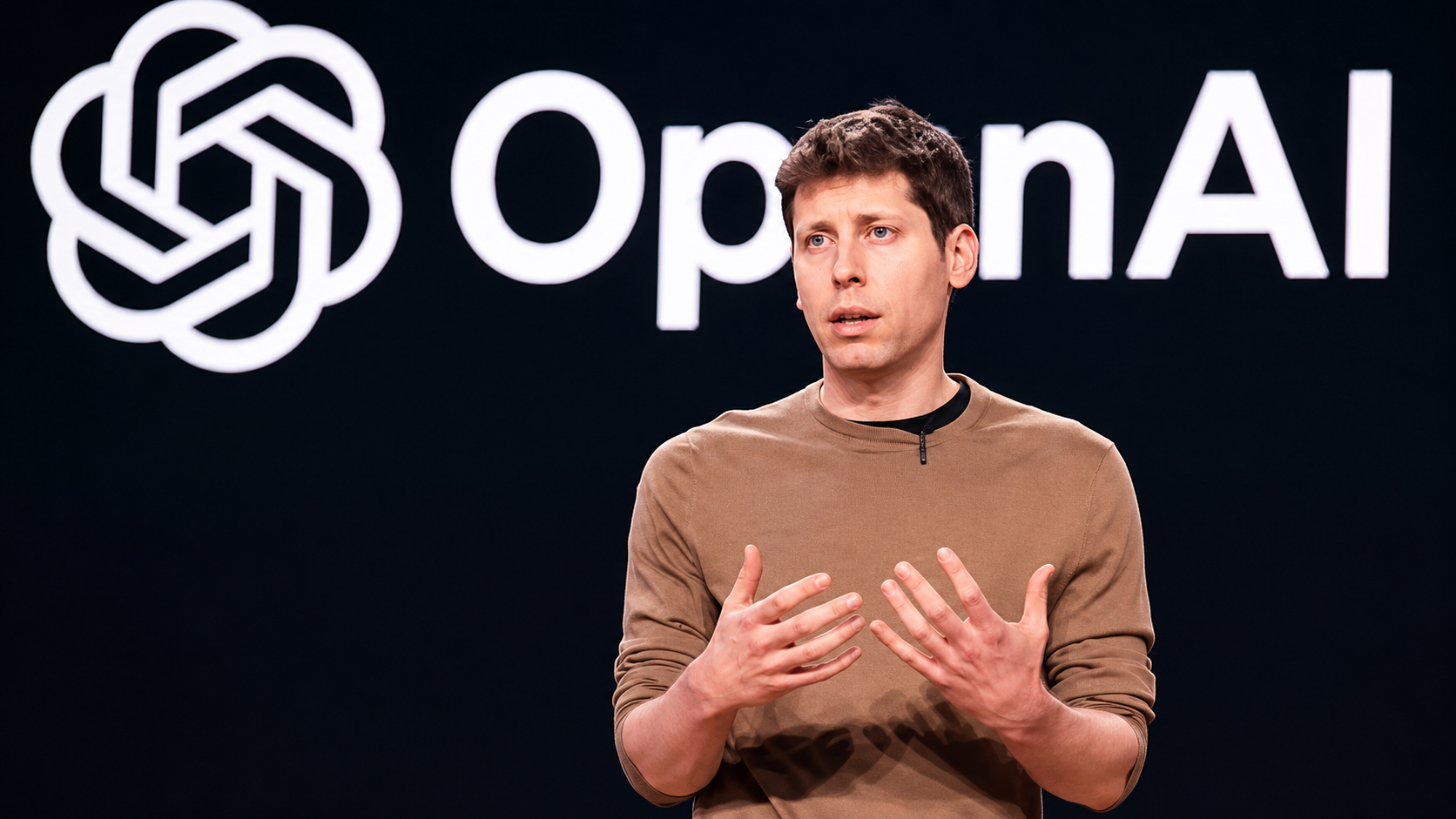
OpenAI's perspective challenges widespread visions of AI, emphasizing human relevance over complete automation in the quest for AGI.
The conversation around artificial general intelligence, or AGI, has reached a fever pitch, often painted with broad strokes of either utopian dreams or dystopian warnings. Many envision a future where sophisticated AI systems take over every conceivable task, promising unparalleled efficiency but raising profound questions about human relevance. However, a significant voice in the AI landscape, OpenAI, is offering a crucial counter-narrative, suggesting that the ultimate goal isn't total automation, and that's a distinction worth paying attention to for anyone building or investing in the future of technology.
Here's why this matters to founders, investors, and indeed, anyone navigating the rapidly evolving tech ecosystem: OpenAI, a company at the forefront of AGI development, is actively articulating a vision where "entirely automating everything" is not the desired endpoint. This isn't just a philosophical musing; it’s a strategic signal that could reshape how we approach innovation, product development, and the very purpose of advanced AI systems across North America and globally.
The prevailing narrative often conflates AGI with a complete replacement of human effort. Think about the common fears: entire sectors of jobs becoming obsolete, human creativity stifled, and decision-making ceded entirely to algorithms. This perspective, while understandable, overlooks a more nuanced and, frankly, more productive path forward. OpenAI's stance, as articulated in various forums, suggests a future where AI serves to augment human capabilities, fostering creativity and problem-solving rather than simply eliminating the need for human input.
This shift in emphasis is critical. Instead of designing systems to operate in isolation, the focus moves towards creating powerful tools that amplify human potential, allowing individuals and teams to achieve more complex and meaningful outcomes. It’s about leveraging AI to tackle problems that are currently intractable, freeing up human ingenuity for higher-order tasks, and ensuring that the 'power of purpose' remains firmly in human hands. For startups, this means moving beyond simple automation plays and towards solutions that integrate deeply with human workflows, enhancing them rather than disrupting them entirely.
For the venture capital community, this perspective from a key player like OpenAI provides a critical lens for evaluating investment opportunities. The "move fast and break things" mentality, particularly when applied to potentially world-altering technologies like AGI, is being tempered by a more thoughtful, human-centric approach. This could mean a re-evaluation of what constitutes a 'disruptive' startup, favoring those that prioritize human augmentation and ethical integration over pure, unadulterated automation. It's a signal that building for human flourishing, not just unchecked efficiency, will increasingly define success.
Why This Stance Matters to the Startup Ecosystem
From my perspective as someone deeply embedded in the startup and venture funding world, this clarification from OpenAI isn't just a press statement; it's a guiding principle that could significantly influence the next wave of innovation. For North American startups, in particular, it suggests a clear direction: focus on human-AI collaboration. This isn't about building another chatbot to handle customer service queries, but about developing systems that empower human agents to resolve complex issues faster and more effectively, bringing empathy and judgment to the fore.
Consider the implications for product design. If the goal isn't total automation, then user interfaces, integration points, and feedback loops become even more crucial. Products will need to be intuitive, explainable, and designed to foster trust and shared intelligence between human and machine. This opens up entirely new design challenges and opportunities for companies specializing in human-computer interaction, ethical AI development, and explainable AI (XAI) solutions. Investors will increasingly look for teams that can demonstrate a deep understanding of these nuanced human-AI dynamics.
Moreover, this vision aligns with a growing sentiment among regulators and the public regarding the responsible development of AI. In an era where concerns about job displacement, algorithmic bias, and autonomous decision-making are rampant, a leading entity like OpenAI signaling a human-centric path can help alleviate anxieties and foster broader acceptance of advanced AI. Startups that can clearly articulate how their AI solutions enhance human work, rather than replace it, will likely find an easier path to adoption and funding.
This shift from pure automation to human augmentation isn't just an ethical pivot; it’s a massive product roadmap corrective for founders. For the past few years, the startup playbook has been: find a human workflow, automate it entirely, and pitch the cost savings. But pure automation plays often hit a hard ceiling of edge cases and trust deficits. By framing AGI as a collaborative tool, OpenAI is signaling that the next multi-billion-dollar software category won't be "human-free" systems, but high-agency "cyborg" workflows. The startups that win this decade won't replace the expert; they will turn the expert into an unstoppable, 10x version of themselves.
The Broader Implications for Tech and Society
OpenAI's position is more than just a product philosophy; it's a significant contribution to the broader conversation about AI alignment and the future of work. It challenges the simplistic narratives that often dominate public discourse and instead offers a framework for thinking about AGI as a partner, rather than a master or a mere servant. This perspective resonates with growing calls from academics, policymakers, and ethical AI advocates for guardrails and a focus on societal benefit.
This approach stands in contrast to some of the more aggressive "full automation" narratives seen from other corners of the tech world, which often prioritize efficiency gains above all else. By explicitly stating that total automation is not the desired future, OpenAI effectively sets a higher bar for the ethical and societal considerations of AGI deployment. This will undoubtedly influence how other major players in the AI race, from Google to Anthropic, frame their own development trajectories and public communications.
Ultimately, I believe this stance from OpenAI is a mature and necessary evolution in the dialogue surrounding AGI. It’s a call to action for the entire tech ecosystem to build with purpose, to prioritize human augmentation over outright replacement, and to ensure that as we advance towards more intelligent machines, we simultaneously elevate human potential. The future of innovation, particularly in North America, will increasingly be defined not just by how smart our AI becomes, but by how intelligently we integrate it into the human experience, ensuring technology serves humanity, not the other way around.
Frequently asked questions
What is OpenAI's stance on full AI automation?
OpenAI suggests that complete automation through AGI is not the desired future, emphasizing the importance of human relevance and collaboration with advanced AI systems. They advocate for a balanced approach rather than full human replacement.
Why is the AGI debate reaching a 'fever pitch'?
The AGI debate is intensifying due to rapid advancements in AI capabilities and the contrasting visions of its future impact – from utopian efficiency to dystopian warnings about human relevance.
How does OpenAI view human relevance in an AGI future?
OpenAI prioritizes human relevance, arguing against a future where AI entirely automates every task. Their vision suggests a collaborative relationship where humans remain central, rather than being sidelined by sophisticated AI.
What are the common visions for AGI?
Common visions for AGI span from utopian dreams of unparalleled efficiency where AI handles all tasks, to dystopian warnings concerning job displacement, loss of human purpose, and existential risks.
What 'future we want' does OpenAI envision for AI?
OpenAI envisions a future where AI, specifically AGI, augments human capabilities without entirely automating everything. This perspective prioritizes a balanced integration of advanced AI that serves humanity while maintaining its central role.
Where did OpenAI share these insights on AGI?
These insights from OpenAI regarding AGI and the future of automation were reported by Storyboard18, highlighting a significant voice in the AI landscape.