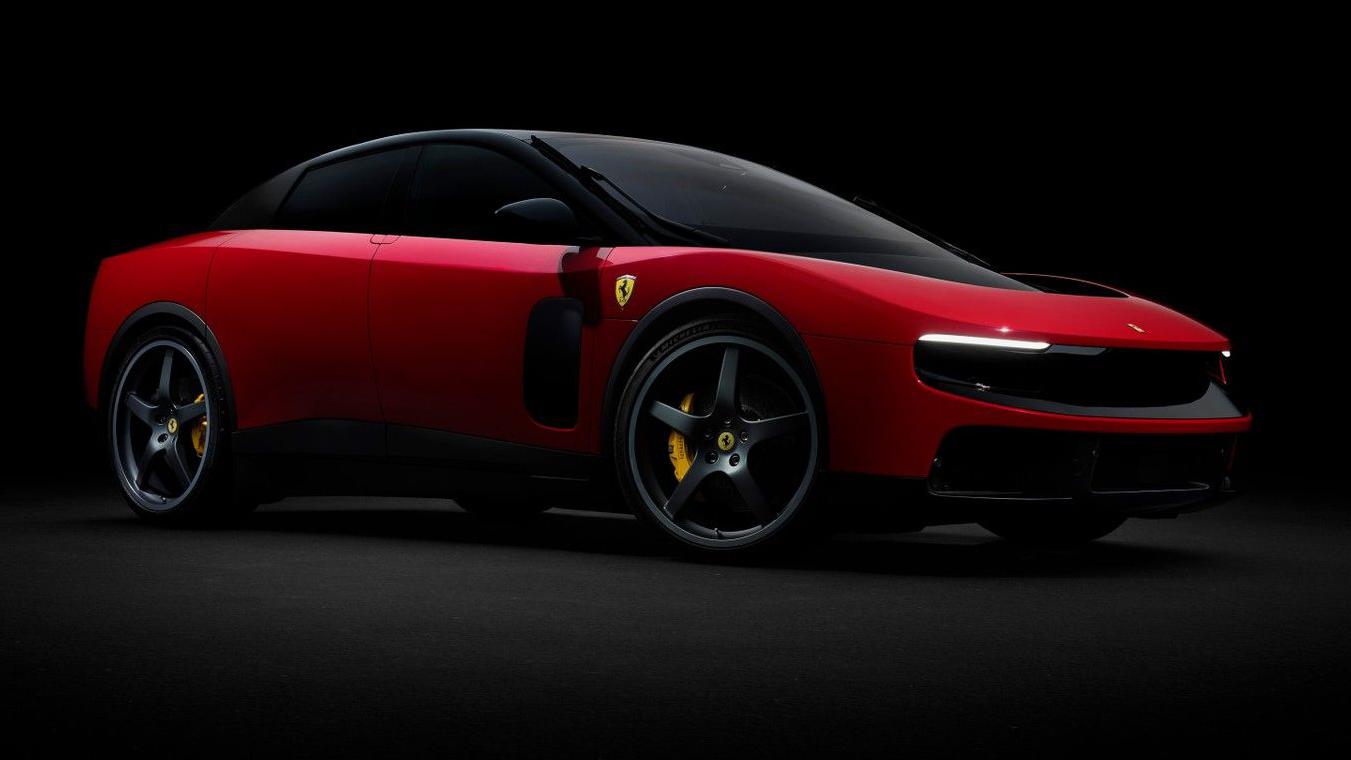
Priced at $640,000, the Luce marks a dramatic pivot for the iconic brand, challenging tradition with a radical design and a silent future.
Ferrari has shocked the automotive world, unveiling its first fully electric car, the Luce, priced at a staggering $640,000. This isn't just another luxury vehicle; it's a dramatic pivot for a brand that has long championed the roar of a combustion engine, and it comes with a radical new design that's already dividing opinion. For anyone tracking the high-stakes shift to electric vehicles (EVs), this move by the Prancing Horse signals a significant turning point in the luxury market.
The key detail here is the "Luce" itself, Italian for "light." It's an unprecedented five-seater model, a stark departure from Ferrari's traditional two-door, two-seater sports car ethos, and was developed in collaboration with design guru Sir Jony Ive's LoveFrom agency. This bold new direction is a clear statement that Ferrari is not just dipping its toes into the electric future, but aiming to redefine it on its own terms.
Development for the Luce stretched over half a decade, a testament to the meticulous engineering and design work involved, according to Ferrari CEO Benedetto Vigna. The vehicle boasts an electric motor on each wheel, propelling it from 0 to 60 mph in a blistering 2.5 seconds. What's more, Ferrari is emphasizing that all components are made in-house, a strategic move to ensure long-term repairability and safeguard the car's resale value, a crucial factor for ultra-luxury collectors.
The immediate reaction online has been, to put it mildly, polarizing. Social media erupted with comments ranging from describing it as "straight to the junkyard trash" to an "absolute masterclass in design." This kind of passionate debate is perhaps expected when a brand with Ferrari's legacy ventures so far from its established aesthetic, especially into the often-controversial realm of electric vehicles.
The High-Stakes Shift to Electric Luxury
Ferrari's audacious entry into the all-electric market stands in stark contrast to its closest rivals. Lamborghini, for instance, has recently scaled back its all-electric ambitions, opting instead for hybrid models, citing weak demand for high-end luxury EVs. Porsche, another titan in the performance car world, has also trimmed its EV plans, grappling with slow sales in China and the impact of tariffs in the US. This backdrop highlights the immense risk Ferrari is taking, effectively charting a solo course against a tide of caution from its peers.
The struggles aren't unique to European luxury. The broader automotive industry has encountered significant headwinds in its shift to electric, particularly in Western markets. Carmakers like Ford and Volkswagen have, in some segments, doubled down on petrol cars, especially in the US, partly due to fluctuating consumer demand and policy shifts, such as reduced EV incentives under certain administrations. This hesitant market environment makes Ferrari's full-throttle commitment to an all-electric model even more noteworthy, suggesting a deep conviction in their long-term vision despite current market realities.
The design choice is also a critical talking point. Jaguar, a fellow British luxury marque, faced heavy criticism for abandoning its classic styling with the launch of an electric concept car, leading to accusations of "killing their brand." Ferrari's Luce, with its five-seater configuration and Jony Ive-influenced aesthetics, invites similar comparisons. One account on X stated, "Ferrari just killed their brand just like Jaguar did. This is straight to the junkyard trash." This sentiment underscores the delicate balance luxury brands must strike between innovation and preserving brand heritage, particularly when appealing to a deeply traditional and often purist customer base.
Yet, Ferrari's chief design officer, Flavio Manzoni, has embraced the controversy. In an interview, he acknowledged that an electric Ferrari with a new design would inherently be "polarising" but expressed confidence that public appreciation would grow over time. This response reflects a strategic understanding that breaking new ground often means challenging existing perceptions, and that innovation, especially in luxury, requires a degree of courage to push boundaries. Ferrari is not just selling a car; it's selling a vision for its future.
What's Next for the Prancing Horse
Despite the bold electric leap, Ferrari is not putting all its eggs in one basket. The company has confirmed it will continue to offer its iconic petrol and hybrid cars alongside the Luce. This dual-track strategy is crucial, allowing them to cater to both traditionalists who still crave the visceral experience of a V12 engine and early adopters eager for cutting-edge electric performance. It's a pragmatic approach that acknowledges the varied preferences within its ultra-exclusive customer base, mitigating the risk of alienating a significant portion of its loyal clientele.
The involvement of Sir Jony Ive, renowned for his design leadership at Apple, is a powerful signal of Ferrari's ambition to redefine luxury mobility. Ive's philosophy often blends minimalist aesthetics with intuitive functionality, and his influence on the Luce hints at a design language that prioritizes a different kind of luxury—perhaps one focused on seamless integration of technology and an elevated occupant experience, rather than just raw speed and aggressive styling. This collaboration could position Ferrari at the forefront of a new wave of technologically sophisticated, aesthetically refined electric supercars.
Ferrari holds a unique position in the automotive world, being Europe's most valuable carmaker. Its business model relies on selling highly exclusive, limited-production vehicles, a strategy that has historically insulated it from the broader market pressures affecting mass-market manufacturers and even some luxury rivals. This exclusivity allows them to command premium prices and cultivate an almost cult-like following, creating a buffer against fluctuating demand seen by other brands.
However, even Ferrari is not entirely immune to global economic shifts. The company's shares have seen a drop of over 25% in the past year, mirroring a wider slump across luxury brands. Global inflation has, to some extent, dampened demand for high-end goods, indicating that even the most exclusive marques face headwinds when consumer confidence wavers. The Luce's success will be a critical test of Ferrari's ability to navigate these economic currents while simultaneously executing a monumental strategic shift.
The launch of the Luce is more than just a new car; it's Ferrari's gamble on the future of luxury, performance, and its own brand identity. By embracing electrification and a radical design while maintaining its commitment to traditional powertrains, Ferrari is attempting a delicate balancing act. The coming months will reveal whether this bold move truly expands its legacy or sparks a deeper debate among enthusiasts and investors about the soul of the Prancing Horse in an electric age. The road ahead for Ferrari, and indeed for the entire luxury automotive sector, promises to be as electrifying as it is unpredictable.
Frequently asked questions
What is the Ferrari Luce?
The Ferrari Luce is the Italian luxury automaker's first fully electric production car. Unveiled to significant fanfare and surprise, it represents a bold new direction for the brand, combining Ferrari's heritage with cutting-edge EV technology and a radical design.
How much does the Ferrari Luce cost?
The Ferrari Luce is priced at a staggering $640,000.
What makes the Luce significant for Ferrari?
The Luce marks a dramatic pivot for Ferrari, traditionally known for its roaring combustion engines, signaling its commitment to the electric vehicle future.
What is the design of the Ferrari Luce like?
The Luce features a radical new design that has already generated considerable debate and divided opinion among automotive enthusiasts.
When was the Ferrari Luce unveiled?
Ferrari recently shocked the automotive world by unveiling the Luce as its first fully electric car.
Will Ferrari stop making combustion engine cars?
While the Luce signifies a major shift, Ferrari has not announced an immediate halt to combustion engine production, but rather an expansion into the EV market.