Mobileye, known as an AV tech supplier, plans a 2027 US robotaxi launch, creating a new operating business and a dual role.
Mobileye, a company long known as the quiet engine powering advanced driver-assistance systems in millions of cars, is making a bold, potentially game-changing move. The Intel subsidiary announced plans to launch its own robotaxi service in a U.S. city by 2027, stepping directly into the operational side of autonomous mobility. This isn't just a technology showcase; it's a fundamental shift that could redefine how we perceive their role in the future of transport.
Here's what happened: Mobileye is committing to an ambitious rollout, beginning with an initial fleet of 100 autonomous vehicles phased in throughout 2027. If successful, the company aims to significantly scale operations, projecting a fleet of approximately 17,000 robotaxis over the subsequent five years.
For years, Mobileye built its reputation on its EyeQ chips and computer vision technology, supplying automakers with the core components for safety features and Level 2 driver assistance. They were the "picks and shovels" provider in the gold rush of automotive tech, enabling capabilities from adaptive cruise control to lane-keeping assist.
That foundation evolved into comprehensive self-driving systems, dubbed Mobileye Drive. They already supply this advanced system to major automotive players, including Volkswagen and its MOIA ride-sharing subsidiary, positioning themselves as a critical enabler for the industry's autonomous ambitions.
Now, by choosing to operate its own robotaxi service, Mobileye is essentially becoming a gold miner itself, directly competing in a space where it previously only supplied the tools. It’s a move that CEO Amnon Shashua has hinted at for years, viewing robotaxis as an essential stepping stone towards the "Holy Grail" of truly driverless passenger cars accessible to everyone.
Why this matters for the AV industry
The autonomous vehicle sector has been a turbulent one, marked by immense investment, significant technological hurdles, and a recent shakeout that saw several high-profile players either pivot or fold. Mobileye’s decision to enter the operational fray at this juncture is a powerful declaration of confidence in its technology. It also underscores the sheer capital intensity involved, as scaling a robotaxi service demands not just cutting-edge tech but also robust infrastructure, regulatory navigation, and fleet management expertise.
This strategic pivot represents a deeper vertical integration for Mobileye, moving beyond component supply to owning the entire stack from silicon to ride-hailing service. My read is that this isn't solely about capturing a share of the ride-hailing market. Instead, it's a strategic maneuver primarily aimed at accelerating the development, validation, and refinement of Mobileye Drive, their core self-driving technology. Operating a service provides a direct, unfiltered feedback loop that is invaluable for iterating and improving their system in real-world conditions.
By running its own fleet, Mobileye can gather proprietary operational data at an unparalleled scale. This direct experience is crucial for refining their self-driving system. It becomes a live laboratory, allowing them to rapidly identify edge cases, enhance safety protocols, and prove the robustness of their autonomous system in diverse urban environments without being beholden to the varying integration timelines or marketing strategies of their OEM partners.
This dual strategy offers a potent competitive differentiator. Showcasing a fully operational, scalable robotaxi service provides tangible proof of concept for Mobileye Drive. It shifts the narrative from theoretical capabilities to demonstrated performance, potentially strengthening their position as the preferred technology supplier for other automakers and mobility providers who might be hesitant to invest in developing their own full stack.
The competitive landscape and what's next
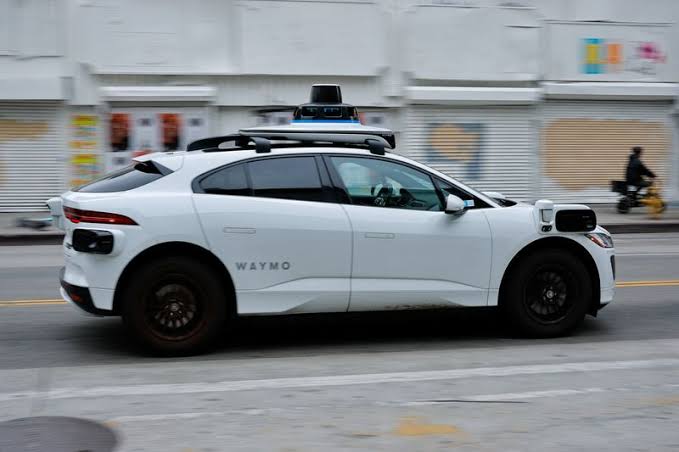
The U.S. robotaxi market is already home to formidable players like Waymo and Cruise, who have invested billions and spent years refining their services in specific cities. Mobileye will face fierce competition not just on technological superiority, but also in navigating the complex regulatory landscape, fostering public acceptance, and establishing operational efficiency within an as-yet unnamed U.S. city. Their existing ownership of Moovit, the popular transit and ride-hailing app, provides a ready-made consumer interface, which is a significant head start on the front-end user experience.
The tension with existing OEM partners is a delicate balance Mobileye must manage. While CEO Shashua emphasizes this initiative as an "extension" rather than a "replacement" for their existing partnerships, the line between supplier and direct competitor inevitably blurs. Automakers who rely on Mobileye for their ADAS and future AV systems might view this dual role with a degree of skepticism. Conversely, some might see it as a robust, real-world validation of Mobileye’s technology, potentially de-risking their own autonomous deployments.
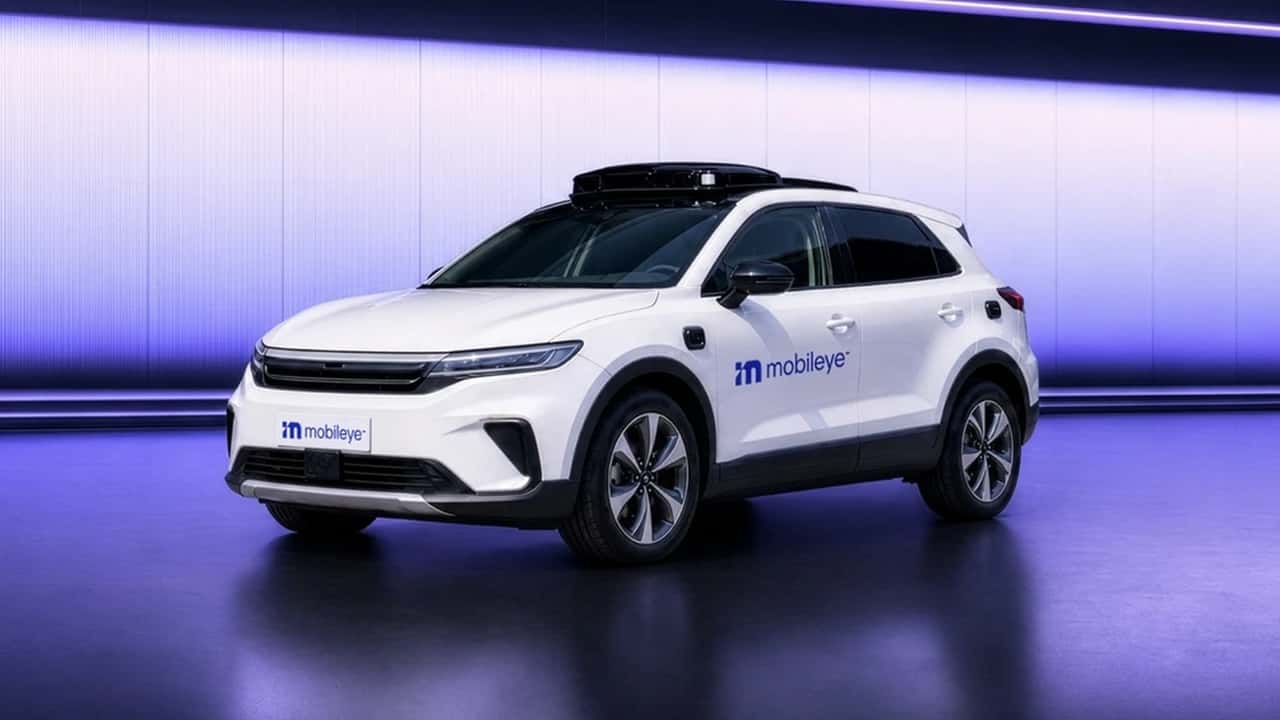
The choice of vehicle platform for their fleet is also telling. While not explicitly named, the visual hint of a modified Ora iQ, an electric crossover from Chinese automaker Great Wall Motors, suggests a focus on purpose-built, cost-effective electric vehicles designed for scalability and urban mobility. This pragmatic approach to hardware integration, combined with their advanced software, will be crucial for achieving the projected fleet expansion.
What strikes me here is Mobileye’s unwavering confidence in its technology stack, particularly its vision-centric approach, to tackle the multifaceted complexities of urban autonomous driving. This operation provides a crucial conduit to ingest vast amounts of real-world data, further solidifying their foundational tech. It’s a calculated risk—a significant investment in capital and operational complexity—but one that, if successful, could profoundly accelerate market adoption and demonstrate the robustness of Mobileye Drive on a grand stage.
Should Mobileye successfully deploy and scale its robotaxi fleet across U.S. cities, it could redefine its position in the autonomous vehicle ecosystem, transforming into a formidable hybrid powerhouse. This move promises to solidify its status not just as a technology enabler, but as a proven end-to-end mobility solution provider, potentially accelerating the broader industry's path toward widespread autonomous transportation in North America and beyond. The next few years will reveal if this ambitious "dual-hat" strategy pays off, setting a new precedent for how AV technology is developed, validated, and ultimately delivered to consumers.
Frequently asked questions
What is Mobileye's new strategy in the AV market?
Mobileye is expanding beyond its traditional role as an autonomous vehicle technology supplier by launching its own robotaxi service in a U.S. city by 2027. This move positions the company as both a technology provider and an operator in the highly competitive AV industry.
When and where will Mobileye launch its robotaxi service?
Mobileye plans to launch its robotaxi service in a U.S. city in 2027, though the specific city has not been named.
How many robotaxis does Mobileye plan to deploy?
Mobileye will start with an initial fleet of 100 autonomous vehicles, with plans to scale to about 17,000 robotaxis over the following five years.
How will Mobileye manage its robotaxi fleet?
Mobileye will create a new operating business to manage the fleet and will leverage Moovit, the transit and ride-hailing app it owns, for the consumer-facing interface.
What vehicles will Mobileye use for its robotaxi service?
Mobileye stated it will work with "AV-ready vehicle platform manufacturers." Photo illustrations suggest a modified Ora iQ, an electric crossover by Chinese automaker Great Wall Motors.
How does this new service impact Mobileye's existing partnerships?
Mobileye CEO Amnon Shashua stated this initiative is an "extension" of existing partnerships, not a replacement, aiming to accelerate adoption and gain direct operational experience.