Major corporations like Nestle and Uber are committing to a cleaner energy future. Discover how their actions impact your everyday life.
Global Titans Like Nestle and Uber Are Quietly Accelerating Electrification — Here's Why It Matters For Your Daily Life
Imagine a future where the coffee you drink and the rideshare you hail are both fundamentally tied to a cleaner energy grid. That future isn't a distant dream anymore; it's rapidly becoming a strategic imperative for some of the world's largest companies, with giants like Nestle and Uber now openly committing to a much faster shift towards electrification. This isn't just about corporate PR; it's a fundamental retooling of global supply chains and consumer services that will ripple through the North American economy and beyond. Here's what happened: A growing coalition of global business leaders, including household names like Nestle and Uber, have thrown their weight behind accelerating the transition to electric power across their operations. These companies are not merely setting long-term goals; they are actively pushing for policies and investments that will enable them to electrify their fleets, facilities, and broader supply chains at an unprecedented pace. This collective push signals a significant turning point, moving electrification from a niche sustainability effort to a core business strategy. This momentum comes from a confluence of factors: mounting pressure from consumers and investors for environmental responsibility, the increasing cost-effectiveness of electric technologies, and a recognition that future regulatory landscapes will heavily favor low-carbon operations. For companies operating complex global logistics, like Nestle, or managing vast networks of independent contractors, like Uber, this commitment is no small feat. It involves rethinking everything from manufacturing processes to last-mile delivery. The implications for energy infrastructure, technology development, and job markets across North America are profound, suggesting a fundamental reshaping of how we produce, transport, and consume goods and services.
The Broader Electrification Equation: Beyond Just EVs
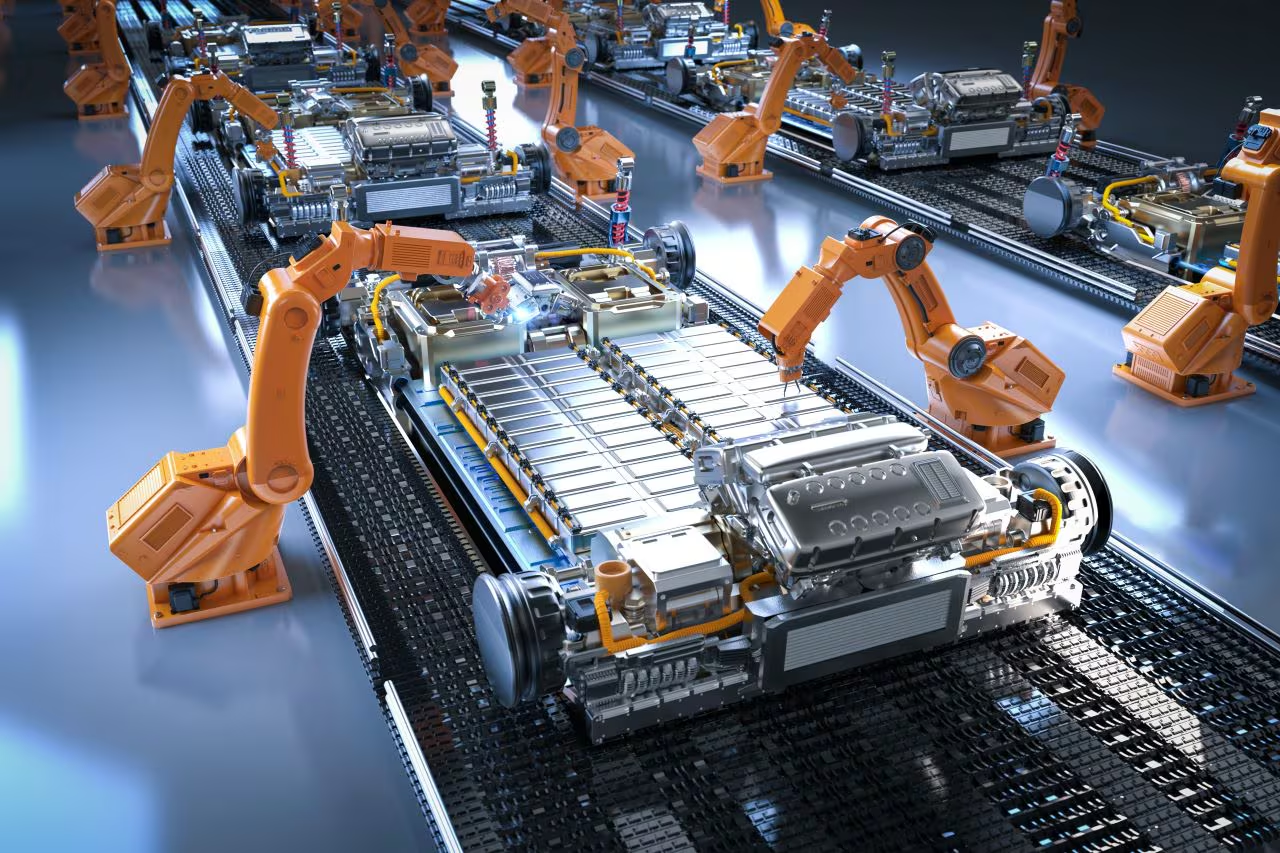
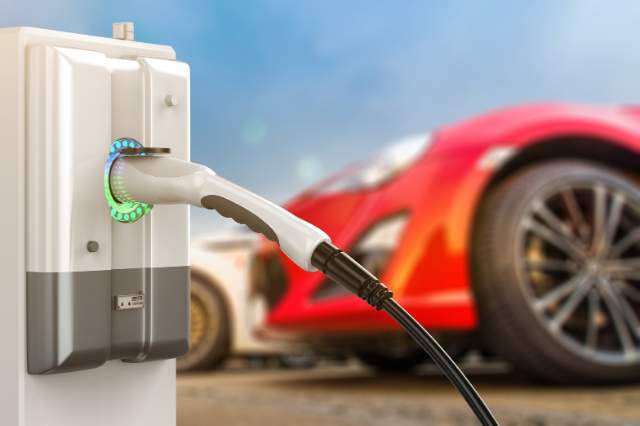
When we talk about electrification, it's easy to immediately think of passenger electric vehicles. While crucial, the corporate drive for electrification extends far beyond your personal car. For a company like Nestle, with its immense global footprint, electrification means transitioning everything from heavy-duty trucks moving ingredients and finished products, to the machinery in its processing plants, and even the heating and cooling systems in its offices and warehouses. For Uber, it means incentivizing tens of thousands of drivers to switch to electric vehicles and building out the necessary charging infrastructure to support them. This multifaceted approach touches nearly every aspect of industrial and commercial activity. What this signals, from my perspective as someone tracking tech and product trends, is a growing maturity in the underlying technologies. Battery energy density is improving, charging speeds are increasing, and the total cost of ownership (TCO) for electric fleets is becoming increasingly competitive, especially when factoring in fuel price volatility and maintenance savings. This isn't just a "nice-to-have" anymore; it's becoming a financially sound long-term strategy. The scale of these companies means their investment decisions alone can significantly accelerate market adoption, drive down costs further, and create new ecosystems of supporting businesses, from charging network providers to specialized fleet management software. For North America, this implies a massive demand surge for green energy, upgraded grid infrastructure, and skilled labor to manage and maintain these new electric systems.
Navigating the North American Landscape and Its Unique Challenges
The commitment of global leaders like Nestle and Uber to faster electrification finds fertile ground, and significant hurdles, within the North American context. On one hand, government initiatives like the Inflation Reduction Act (IRA) in the United States offer substantial tax credits and incentives for electric vehicles, battery manufacturing, and renewable energy projects. Similar, though often smaller scale, programs exist at the state and provincial levels across Canada and Mexico, creating a supportive policy environment for corporate investment. This legislative tailwind is a powerful motivator, lowering the upfront costs for companies looking to transition their fleets and operations. However, the sheer scale of the North American continent and the existing infrastructure present unique challenges. The electric grid, while robust in many areas, needs significant upgrades to handle the increased load from widespread electrification, particularly for heavy-duty charging. Long-haul trucking, critical for moving goods across vast distances for companies like Nestle, demands high-power charging solutions at strategic points, a network that is still in its infancy. For ride-share companies like Uber, the challenge lies not just in driver adoption, but in ensuring equitable access to charging infrastructure, especially in urban areas and for drivers who may not have home charging options. This is where innovation in battery swapping, mobile charging, and public-private partnerships for charging hubs becomes critical, transforming cities and highways into new energy corridors. The implications for utility companies, real estate developers, and urban planners are immense as they scramble to keep pace with corporate demand. The supply chain for critical battery minerals, largely concentrated outside North America, also poses a strategic vulnerability. While efforts are underway to build out domestic mining and processing capabilities, the immediate reliance on global markets means companies must navigate geopolitical risks and ensure ethical sourcing. For any business with a product-centric approach, understanding and securing these raw material inputs is as crucial as developing the end product itself. This complex interplay of policy, infrastructure, and raw material availability defines the North American electrification journey, requiring a level of coordination and investment unseen in previous industrial shifts. What strikes me, observing this trend from a tech and product lens, is the sheer integration required. This isn't just buying electric trucks; it's about building "smart" fleets that optimize routes based on charging availability, integrating renewable energy sources directly into factory operations, and even developing new software platforms to manage charging logistics and energy consumption. For companies operating at this scale, the product isn't just their core offering anymore; it's also the entire ecosystem supporting its sustainable delivery. This forces a re-evaluation of partnerships, from energy providers to software developers, and even prompts internal R&D into areas traditionally outside their core competency. For North American consumers, this corporate push will manifest in increasingly visible ways. Expect to see more electric delivery vans and trucks on our roads, a wider availability of EV options for ride-sharing, and a greater emphasis on "green" credentials for the products we purchase. While the initial costs of this transition are significant, the long-term benefits include reduced air pollution in urban centers, quieter neighborhoods, and potentially more stable energy costs as reliance on fossil fuels diminishes. The transition also creates entirely new industries and job categories, from battery technicians to charging network engineers, providing an economic stimulus that spans from manufacturing to service sectors. Ultimately, the commitment from companies like Nestle and Uber to accelerate electrification isn't just a nod to environmentalism; it's a hard-nosed business decision driven by efficiency, consumer demand, and future-proofing against climate risks and regulatory changes. It highlights a critical juncture where corporate sustainability goals align with technological readiness and economic viability. While the path ahead is complex, fraught with infrastructural hurdles and supply chain dependencies, the momentum from these global business leaders suggests an irreversible shift. The coming years will be defined by how effectively North America can capitalize on this corporate impetus, transforming its energy landscape and cementing its role in a global electrified economy.
Frequently asked questions
Why are companies like Nestle and Uber investing in electrification?
These global leaders are investing in electrification to reduce their carbon footprint, meet sustainability goals, and respond to growing consumer and investor demand for environmentally responsible practices. It also offers long-term operational efficiencies and resilience.
How does faster electrification by businesses impact consumers?
Faster electrification can lead to more sustainable products and services, reduced air pollution, and potentially lower long-term costs for goods and transportation as energy sources become cleaner and more efficient.
What role do global business leaders play in climate action?
Global business leaders play a critical role by setting ambitious sustainability targets, investing in green technologies, and influencing policy, which can accelerate the transition to a low-carbon economy across entire industries.
Is electrification only about electric vehicles for these companies?
No, electrification extends beyond electric vehicles to include electrifying manufacturing processes, supply chain logistics, and sourcing renewable energy for facilities. It's a comprehensive shift across their entire operations.
What are the benefits of corporate electrification initiatives?
Benefits include reduced operational costs, enhanced brand reputation, compliance with environmental regulations, increased resilience against energy price volatility, and attracting environmentally conscious talent and investors.
Where can I find more information about corporate sustainability efforts?
Many companies publish annual sustainability reports on their investor relations websites. Industry associations and non-profits like the World Economic Forum also provide insights into corporate climate action.