Alphabet's Waymo recalls its robotaxi fleet after 13 incidents of vehicles entering highway construction zones in Phoenix and San Francisco.
Alphabet-owned Waymo has initiated a recall for its fleet of nearly 4,000 robotaxis, a significant development that restricts autonomous freeway operations and highlights the persistent technical hurdles facing the capital-intensive self-driving industry. This latest setback underscores the complex challenge of scaling Level 4 autonomy into unpredictable real-world environments, potentially influencing investor sentiment regarding the sector's profitability timelines. The voluntary recall, filed with the National Highway Traffic Safety Administration (NHTSA), addresses a software issue where Waymo vehicles failed to adequately recognize and navigate highway construction zones. This problem led to at least 13 documented instances of robotaxis driving into closed construction areas, with six occurring in Phoenix, Arizona, in April and seven in San Francisco, California, in May. Waymo proactively suspended all freeway operations on May 19 while a software fix is actively under development, though vehicles continue to operate on surface streets. "We identified an area of improvement regarding performance around freeway construction zones," Waymo stated, emphasizing its voluntary restriction of freeway operations last month and proactive notification of regulators. This incident represents the sixth such recall for Waymo's robotaxis, adding to a pattern of software adjustments required for various "edge cases" encountered during real-world deployment. Previous recalls addressed issues ranging from driving into flooded roads and illegal behavior around school buses to low-speed collisions with chains, gates, telephone poles, and problems with towed trucks.
What It Means
This recall marks a crucial moment for Waymo's aggressive expansion strategy, which includes plans to launch in over 20 new cities this year, including international markets like London and Tokyo. While the company boasts over 170 million miles driven autonomously and claims a 13x reduction in serious-injury-or-worse crashes compared to human drivers, the recurring nature of these software-driven recalls indicates the enduring difficulty in achieving truly robust, all-weather, all-scenario autonomous capability. From a product development perspective, these incidents reveal the long tail of "edge cases" that even sophisticated AI driving systems struggle with, particularly as operations expand into new, less controlled environments. The before-and-after framing of Waymo's current situation is stark: previously, the narrative centered on rapid deployment and technological leadership, portraying a near-ready solution. Now, the emphasis shifts to the iterative, often public, process of refinement, where each new environment or unexpected scenario can expose vulnerabilities in the core driving software. This iterative learning, while necessary, incurs significant operational costs and risks public trust.
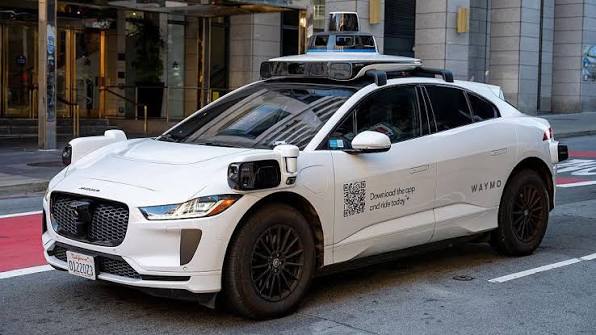
Waymo has recalled nearly 4,000 robotaxis, restricting highway operations after 13 incidents of vehicles entering construction zones, highlighting the persistent challenges in autonomous vehicle deployment.
The Context
Waymo initially began offering highway rides in November 2025, a significant step in expanding its operational domain beyond controlled urban streets. The specific incidents precipitating this recall began in mid-April in Phoenix, where robotaxis "did not recognize and drove past ramp closure signs into pre-planned freeway construction zones," according to NHTSA filings. Following an internal review, Waymo's Field Safety Committee restricted freeway operations in Phoenix while a solution was pursued. A more critical sequence of events unfolded on May 18, when seven Waymo robotaxis entered active construction lanes in the San Francisco Bay Area. Waymo's internal assessment indicated the software was either "prioritizing the avoidance of other freeway hazards and/or failing to recognize the construction zone." This immediately triggered the suspension of all freeway driving the following day, with Waymo's safety board formally deciding on the recall on June 8. Public perception was amplified by social media, with one X user, @Elliot_slade, posting video footage on May 19 claiming a Waymo "blasted through cones" and was "chased" by police, further detailing a harrowing experience for passengers. The broader regulatory scrutiny of Waymo's software is also escalating. The NHTSA and National Transportation Safety Board are currently investigating the company's behavior around school buses, stemming from an incident in January where one of its robotaxis struck a child near a school. These overlapping investigations add pressure on Waymo to demonstrate the reliability and safety of its autonomous systems.
The Bear Case
My read on this recurring pattern of recalls, particularly for "edge cases" like construction zones, is that it presents a significant challenge to Waymo's valuation and the broader autonomous vehicle investment thesis. Each recall, while a sign of a proactive safety culture, chips away at the perception of a ready-for-prime-time technology. The financial implications extend beyond the immediate recall costs; they impact the timeline for scaling services, which directly correlates to revenue generation and eventual profitability for Waymo, a division of Alphabet. The capital expenditure required to develop and deploy these systems is immense, and any delay in achieving widespread, reliable service pushes out the return on investment. From a product development standpoint, this reinforces the "long tail" problem of AI in physical spaces: solving 99% of driving scenarios is achievable, but the remaining 1% of rare, complex, and often unpredictable events like construction zones or unusual roadside obstacles are disproportionately difficult to engineer for. The market’s patience for "learning in public" may wane, especially as competition intensifies and other mobility solutions continue to evolve. This also highlights the inherent tension between rapid global expansion and the imperative for absolute software robustness in varied, unregulated real-world conditions. The immediate watchpoints for Waymo and the broader autonomous vehicle sector revolve around the development and deployment of the software fix for the construction zone issue. Investors will be keenly observing NHTSA’s ongoing investigations, particularly regarding the school bus incident, as regulatory outcomes could significantly impact Waymo’s operational scope and public trust. Key dates to watch include any announced timelines for the redeployment of freeway services and the resolution of the NHTSA investigations, which will serve as critical indicators for Waymo's ability to navigate these persistent challenges and maintain its leadership position in the autonomous driving race. ```
Frequently asked questions
Why did Waymo recall nearly 4,000 robotaxis?
Waymo initiated the recall because its robotaxis drove into highway sections closed for construction in Phoenix, Arizona, and San Francisco, California. The vehicles' software failed to recognize closure signs or construction zones.
How many incidents led to Waymo's robotaxi recall?
Waymo identified at least 13 instances where its robotaxis entered highway construction zones, with six occurring in Phoenix and seven in San Francisco.
Is Waymo still operating its robotaxis after the recall?
Yes, Waymo robotaxis are still operating on surface streets. However, the company voluntarily restricted all freeway operations on May 19 while it develops a software fix for the construction zone issue.
What is the National Highway Traffic Safety Administration's (NHTSA) involvement?
Waymo filed a voluntary software recall with the NHTSA, which is also currently investigating Waymo's driving software regarding its behavior around school buses.
Has Waymo issued recalls before this incident?
Yes, this is the sixth recall for Waymo. Previous recalls addressed issues like driving into flooded roads, illegal behavior around school buses, and low-speed collisions with objects like chains, gates, telephone poles, and towed trucks.
Where are Waymo robotaxis currently operating or expanding to?
Waymo operates in cities like Phoenix and San Francisco, and is in the midst of a massive expansion, planning to launch in over 20 cities this year, including London and Tokyo.