Discover how affordable and approachable 125cc-equivalent e-motorcycles are transforming urban commuting and attracting new riders to EVs.
What exactly is a "125cc electric motorcycle," and why should anyone care right now? It's a question many in the mobility space are asking, and the answer points to a pivotal moment for electric vehicles: it's about making electric motorcycling accessible, practical, and, crucially, affordable for a much wider audience.
Here's why it matters: for years, the electric motorcycle conversation has been dominated by high-performance machines, showcasing incredible speed and advanced technology but often carrying price tags that put them out of reach for most everyday riders. The emergence of the "125cc-equivalent" electric motorcycle signals a strategic pivot, shifting the focus from flagship performance to practical, urban-centric commuting that could finally bring e-motos into the mainstream.
This "125cc-equivalent" label can be a bit confusing at first, as electric motors don't have pistons or displacement like gasoline engines. Instead, it's a legacy term used to describe a motorcycle's overall power, speed, and intended use case, comparing it to its internal combustion engine (ICE) counterparts. Think of it as a class designation: a 125cc gasoline motorcycle is typically an entry-level, lightweight bike designed for city riding, suburban commutes, and short trips where top speeds rarely exceed 60-70 mph.
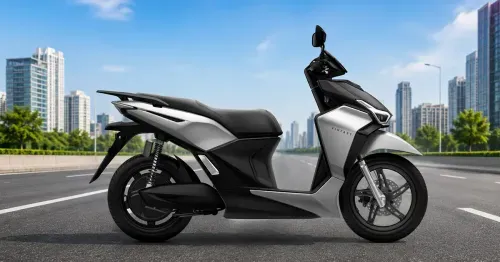
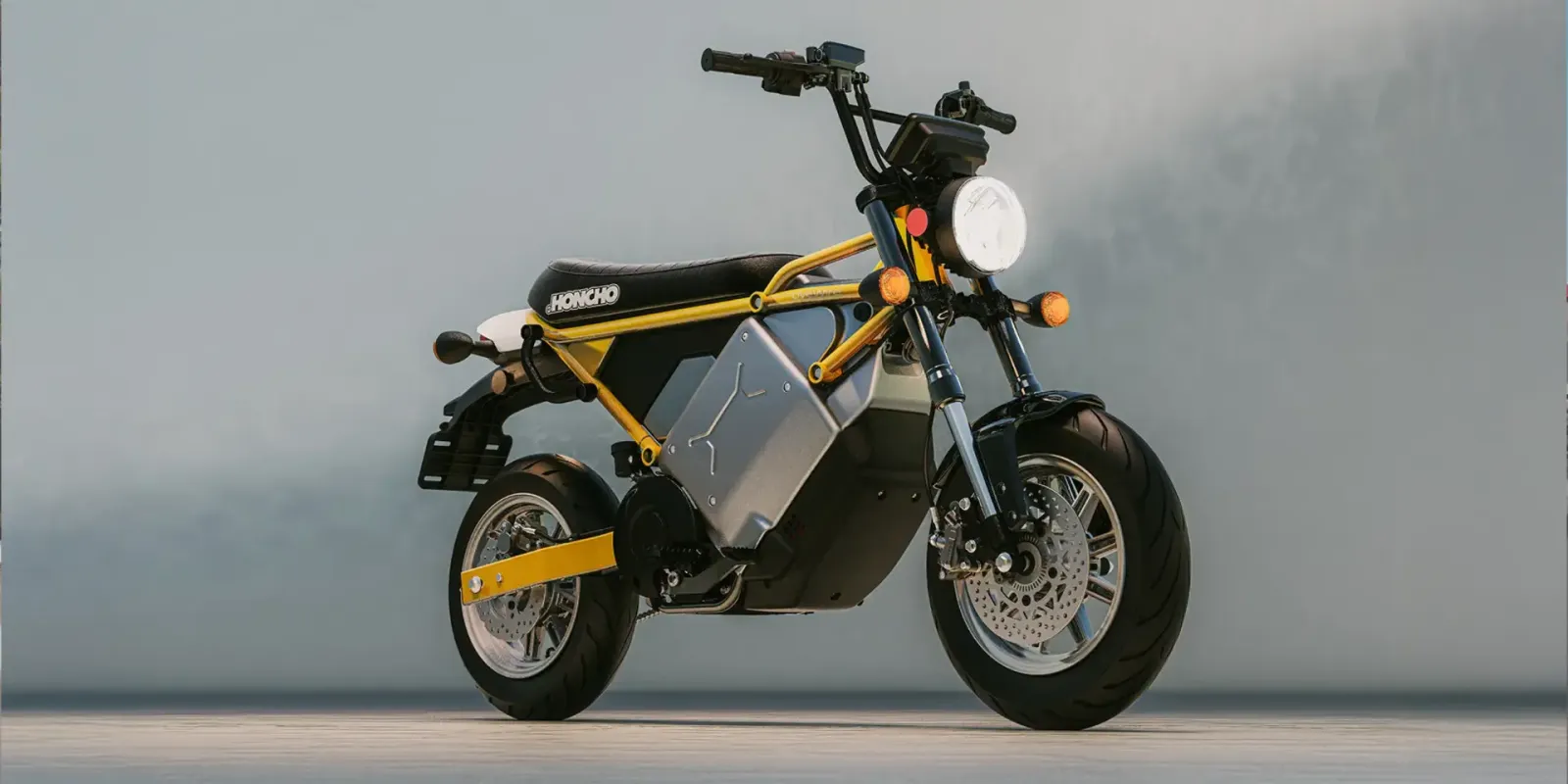
Recent news, particularly around LiveWire's upcoming S4 Honcho, has thrown a spotlight on this segment. While LiveWire has yet to release full motor specifications, the S4 Honcho is expected to have a top speed around 59 mph (95 km/h). This positions it squarely as a machine built for urban navigation and local errands, not cross-country touring. It's a direct competitor to traditional 125cc bikes, aiming for the same rider demographic looking for an easy-to-manage, nimble, and efficient two-wheeled solution.
One of the inherent advantages electric motorcycles, even smaller ones, hold over their gasoline equivalents is instant torque. Unlike ICE bikes that need to rev up to find their power band, electric motors deliver maximum torque from a standstill. This means that a 125cc-equivalent electric motorcycle, despite its modest top speed and horsepower numbers, can feel surprisingly lively and quick off the line, making it highly engaging for city riding and navigating stop-and-go traffic. This responsive acceleration contributes significantly to a more enjoyable and less intimidating riding experience for new or returning riders.
Why the 'Smaller' Electric Motorcycle is a Big Deal
The push towards these smaller, more accessible electric motorcycles is perhaps the most significant development the industry has seen in a long time, primarily because it addresses the single biggest barrier to EV adoption across the board: cost. High prices have plagued the electric vehicle market, from cars to motorcycles, creating a perception that EVs are luxury items rather than practical alternatives. Flagship electric motorcycles often retail for $15,000 to $20,000 or more, a tough sell for anyone simply looking for basic transportation.
LiveWire's S4 Honcho, with an announced starting price of $4,999, is a game-changer. This aggressive pricing, made possible partly by its modest size and a manufacturing partnership with KYMCO, dramatically lowers the entry point into electric motorcycling. For comparison, this price point puts it on par with many premium electric bicycles or entry-level gasoline scooters, making it an attractive proposition for a curious new rider or someone looking to replace a second car for commuting. My read is that this move is less about competing on raw power and more about competing on value, utility, and a low barrier to entry, which is exactly what the mass market demands for any new technology to truly take hold.
This shift in focus from proving performance to proving practicality and affordability mirrors a common trajectory in tech product development. Early iterations often push boundaries, demonstrating what's possible (think early smartphones or powerful gaming consoles). The subsequent, and often more impactful, phase involves democratizing that technology, refining it for broader appeal, and making it accessible to everyday consumers. This is precisely what the 125cc-equivalent electric motorcycle segment represents for two-wheeled EVs. It targets a fundamental unmet need in the market: an unintimidating, easy-to-ride, affordable, and environmentally friendly personal transport solution.
Beyond the 125cc: The Emerging Middleweight Segment
While the 125cc-equivalent segment is crucial for opening the floodgates, the conversation doesn't stop there. There's also a growing interest in the "middleweight" electric motorcycle category, offering a bit more capability without jumping into the premium, high-performance bracket. Bikes like the Ryvid Anthem exemplify this next step up. While still challenging to assign a precise "cc-equivalent," these machines typically offer enough power and range for comfortable highway cruising beyond urban speeds, say 70-80 mph, without the bulk or complexity of larger bikes.
The Ryvid Anthem, for instance, balances approachable design with enough performance to handle faster highway riding while remaining relatively lightweight and simple. For riders who need more versatility than a purely urban commuter but aren't ready for a full-sized electric cruiser or sportbike, this middleweight category offers a compelling bridge. It signals a trend where manufacturers are segmenting the market more intelligently, recognizing that a "one-size-fits-all" approach to electric motorcycles won't lead to mass adoption.
The industry spent years trying to convince riders that bigger, faster, and more expensive was always better. But many potential riders, especially new ones, aren't looking for 150 horsepower or track-day capabilities. They're looking for something that's fun, practical, easy to maintain, and affordable. These smaller, more approachable electric motorcycles are perfectly positioned to meet those needs, offering a riding experience that feels modern, responsive, and unintimidating.
We've already seen electric drive prove its mettle against combustion engines in terms of raw performance and acceleration. The battleground has shifted. It's no longer just about building the most powerful electric motorcycle; it's about building the *right* electric motorcycle for a diverse range of riders and their specific needs. This means focusing on usability, accessibility, and delivering a better overall experience.
Ultimately, the future of electric motorcycling, particularly in North America, may not be defined by the headline-grabbing, high-speed machines, but rather by the quiet revolution happening at the lower end of the power scale. These 125cc-equivalent and emerging middleweight electric motorcycles have the potential to invite a whole new generation of riders into the fold, democratizing electric two-wheeled transport and fundamentally reshaping how we think about personal mobility in our cities and suburbs.
Frequently asked questions
Why are 125cc-equivalent electric motorcycles important now?
They are crucial for making electric motorcycling more accessible and affordable. With models like the LiveWire S4 Honcho priced around $5,000, they remove the barrier of high cost, inviting new riders and expanding EV adoption beyond premium models.
What are the main benefits of a smaller electric motorcycle?
Benefits include instant torque for lively urban riding, lower cost due to smaller battery packs, lighter construction, and an unintimidating, easy-to-ride experience, making them ideal for new riders and city commuters.
How do electric motorcycles compare to gasoline bikes in performance?
Electric motorcycles offer instant torque, which can make even smaller models feel surprisingly responsive and quick off the line compared to gasoline bikes with similar horsepower. This provides a better raw performance feel in urban settings.
Are there more powerful electric motorcycles available for highway riding?
Yes, while 125cc-equivalent bikes are for urban use, models like the Ryvid Anthem offer more power, suitable for faster highway riding while still remaining approachable, filling a "middleweight" category for curious riders.
What is the average cost of a 125cc-equivalent electric motorcycle?
These bikes are designed to be affordable, with models like the LiveWire S4 Honcho starting around $4,999. This lower price point is a key factor in attracting a broader range of new riders to the electric motorcycle market.