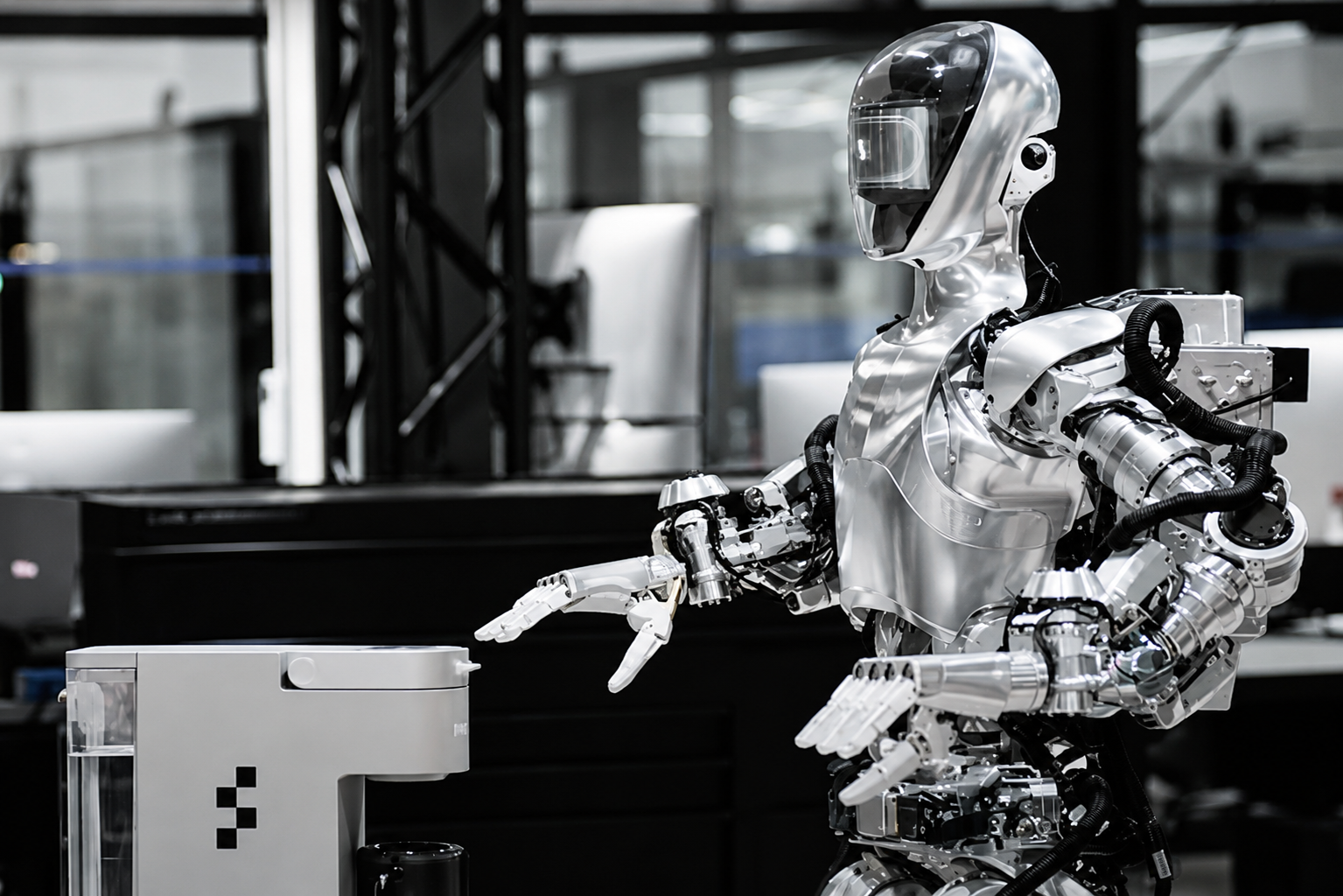
Chinese EV giant BYD is set to unveil its first humanoid robot in August 2026, signaling a strategic shift into advanced AI and service automation, leveraging its manufacturing prowess.
BYD's Ambitious Leap: From Electric Vehicles to Humanoid Robots Set to Transform Future Industries
BYD, a global EV powerhouse, is poised to unveil a humanoid robot in early August 2026, signalling a major diversification into advanced AI and service automation.
This move leverages BYD's deep manufacturing expertise and automotive AI, with plans to staff showrooms with robots and develop an open platform, hinting at significant implications for global manufacturing and service sectors, including in India.
BYD, globally renowned for its electric mobility innovations, is now on the cusp of unveiling a physical humanoid robot prototype, an event teased for early August 2026, that could redefine its technological trajectory.
What started as a strategic idea to leverage its extensive automotive AI capabilities has rapidly evolved into a tangible product development effort. This proactive investment underscores the company's belief that the foundational technologies driving autonomous vehicles—from sophisticated sensors and perception systems to advanced motor control and battery management—are directly transferable to humanoid robotics, giving carmakers a distinct advantage in this burgeoning field.
The current anticipation surrounds a teaser poster released by BYD's Di Space Zhengzhou venue, hinting at the imminent public debut. While this local channel is not the company's main official platform, its role in showcasing interactive displays has fueled expectations that the early August event will feature a physical prototype rather than just a conceptual unveiling. This public showing could mark a pivotal moment, introducing a new player with formidable manufacturing scale into the competitive humanoid robotics landscape.
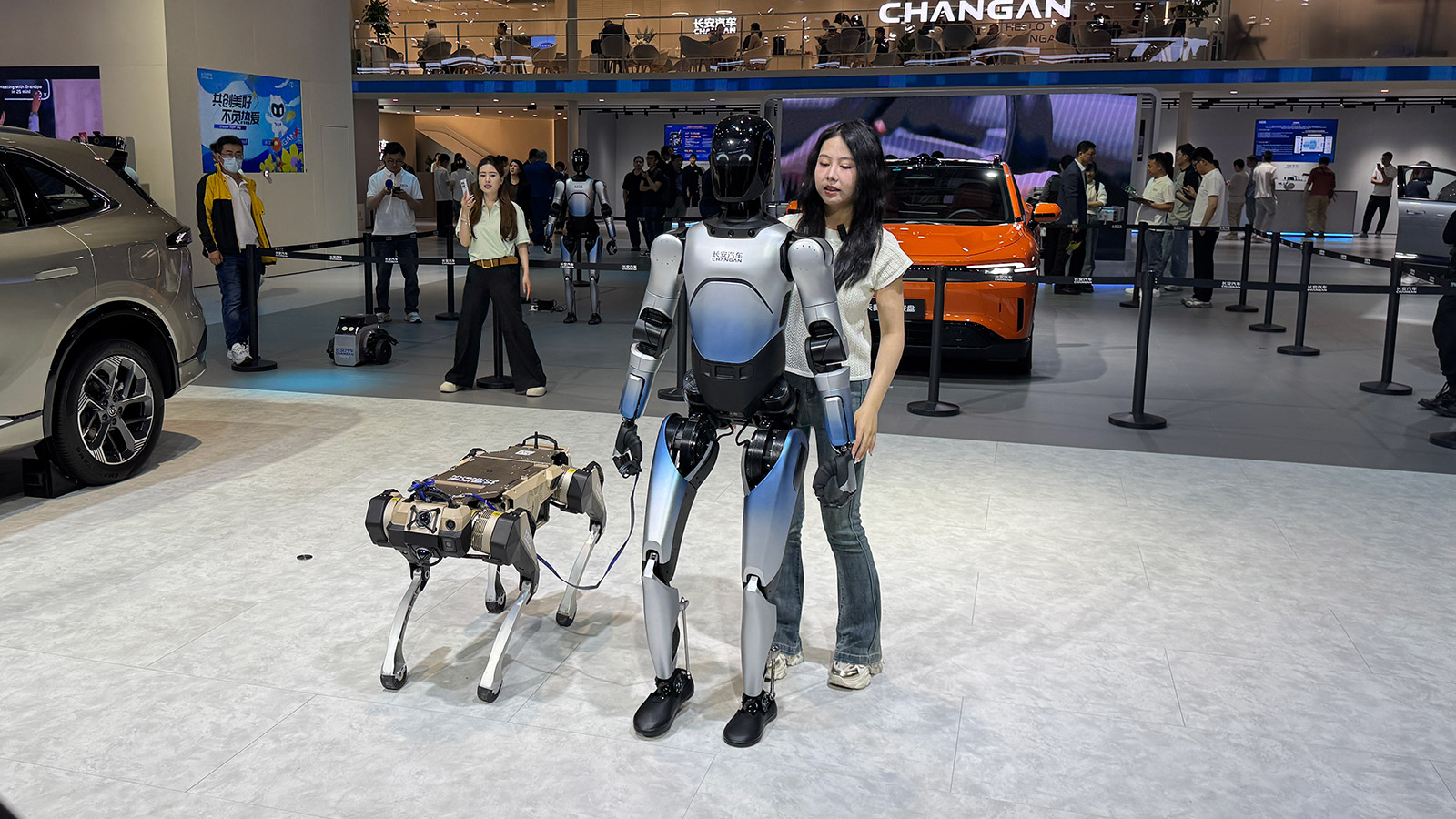
Stella Li, an executive vice president at BYD, has expressed a desire for robots to eventually staff every BYD store to introduce and demonstrate vehicles to customers.
Beyond automotive showrooms, BYD envisions a vast market for humanoid robots in households and the broader service industry. This expansive outlook is further supported by the company's plan to build an open robot platform, designed not only for its own in-house creations but also to foster co-developed products with other companies. This strategy aims to accelerate innovation and wider adoption, creating a robust ecosystem for advanced robotics.
The company's commitment to robotics is also reflected in its strategic positioning within the sector, leveraging its deep pockets and extensive network to accelerate growth in advanced automation.
BYD's move into humanoid robotics is a testament to its unique vertical integration strategy, a hallmark of its success in the EV sector. By controlling nearly every aspect of its production, from battery cells to semiconductors and now potentially robot components, BYD can achieve economies of scale and cost efficiencies that pure-play robotics companies often struggle with. This integrated approach, which has allowed BYD to become a global leader in electric vehicles, could similarly disrupt the nascent humanoid robot market, making advanced robots more accessible and affordable.
This trend of carmakers venturing into robotics is gaining significant momentum across China and holds important implications for emerging markets like India and Southeast Asia. This convergence of automotive and robotics technology underscores the shared underlying principles in AI, sensor fusion, and intricate mechanical engineering.
For countries like India, which are rapidly expanding their manufacturing bases and digital economies, the advent of affordable, mass-produced humanoid robots could be a game-changer. These robots offer the potential to enhance productivity, fill labor gaps in repetitive or hazardous tasks, and elevate service delivery across various sectors, from retail and healthcare to logistics. India's burgeoning tech talent and focus on AI development could also find new avenues in customizing and deploying these advanced robotic solutions, fostering a domestic ecosystem around this transformative technology.
The insights gained from practical applications of robotics will be critical in refining BYD's humanoid robots for broader commercial and industrial applications.
The entry of a manufacturing giant like BYD into the humanoid robot space signals a critical inflection point, moving these advanced machines from conceptual curiosities to potentially scalable, commercially viable products. For India and other developing economies, this could mean a future where automation is not just for large-scale factories but also accessible for small and medium-sized enterprises, driving efficiency and innovation across the economic spectrum. It represents an exciting frontier, promising to reshape industries and create new possibilities for technological leadership and economic growth across South and Southeast Asia.
Frequently asked questions
When is BYD expected to unveil its humanoid robot?
BYD is anticipated to unveil its first humanoid robot in early August 2026. This strategic move marks the company's significant expansion into advanced AI and robotics, building on its extensive manufacturing and automotive AI expertise.
Why is BYD entering the humanoid robot market?
BYD is diversifying into humanoid robotics to leverage its manufacturing prowess and AI expertise, aiming to transform future industries, starting with potential use in its showrooms.
What kind of expertise does BYD bring to robotics?
BYD brings deep manufacturing expertise, advanced automotive AI, and a strong track record in innovation from its electric vehicle development.
How might BYD's humanoid robots be used initially?
Initially, BYD plans to staff its showrooms with these robots, suggesting applications in customer service and demonstration roles.
Will BYD's robots compete with other humanoid robot manufacturers?
Yes, BYD's entry will introduce a new significant player into the competitive humanoid robot market, challenging existing developers with its scale and integration capabilities.
What is the broader impact of BYD's move into AI and automation?
BYD's expansion into AI and service automation signifies a major industry trend towards integrated smart technologies, potentially accelerating the adoption of robots in various sectors globally.