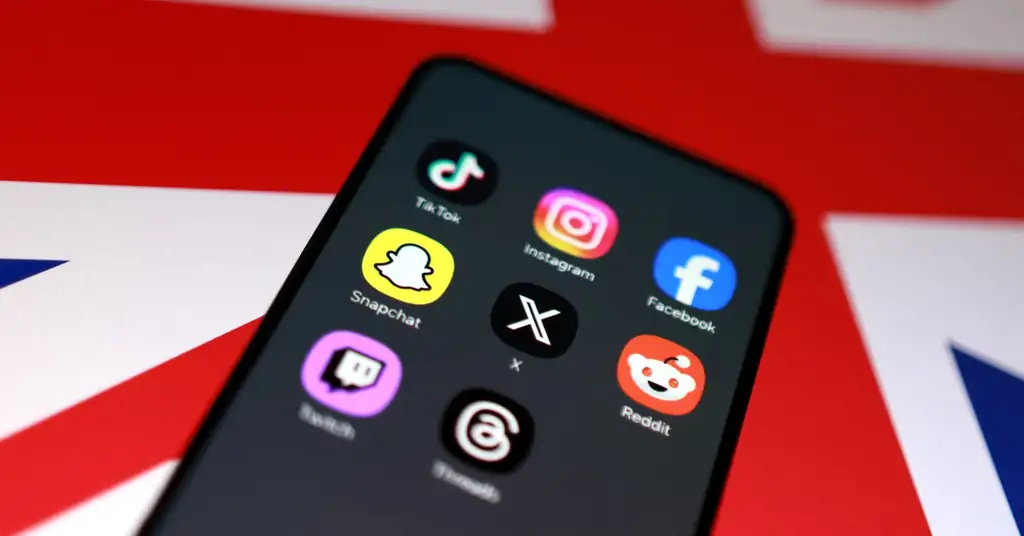
Britain's proposed rules could mandate platforms like Facebook, YouTube, and TikTok elevate public service media, potentially reshaping how millions consume news.
The UK Wants to Make Social Media Play Favorites With News – And It Could Reshape Your Feed
Ever wonder if your social media feed is showing you the "best" news, or just the loudest? What if governments stepped in to dictate what kind of news gets priority? That's precisely the question facing users and tech giants as the UK government explores a significant shake-up in how news content is presented online.
Here's what happened: The UK's culture department has announced it is considering a radical proposal that could compel major social media platforms, including Meta's Facebook, Alphabet-owned YouTube, and TikTok, to give preferential treatment to content originating from "trusted" public service media organizations. Think of it as a potential algorithmic fast-lane for the likes of the BBC, ITV, and Channel 4, pushing their content higher up your feed.
This move isn't just about tweaking an algorithm; it represents a profound intervention into the digital information ecosystem. For years, social media platforms have largely operated under the guise of neutrality, or at least, their algorithms have aimed to serve engagement. Now, the UK is proposing to inject a layer of governmental guidance into that process, with the explicit goal of elevating what it deems reliable news sources.
The motivation behind such a proposal stems from a growing global concern over misinformation, disinformation, and the perceived erosion of traditional journalism's influence in the digital age. Governments worldwide are grappling with how to ensure citizens have access to high-quality, verified news amidst a deluge of user-generated content and often sensationalized or biased reporting. By attempting to mandate the prioritization of established public broadcasters, the UK aims to counteract these trends, reinforcing the visibility and reach of institutions historically tasked with informing the public.
While the specifics of how this prioritization would be implemented are still under discussion, the conceptual framework is clear: platforms would need to adjust their recommendation engines to identify and promote content from designated public service media (PSM) outlets. This would mean a fundamental re-evaluation of how algorithms currently weigh factors like user engagement, virality, and topical relevance against a new metric of "trusted source" status. For a tech company, this isn't a simple toggle; it's a deep engineering challenge that touches the core of their product design and user experience.
Why this matters for your digital life
This isn't just a regulatory nuance; it directly impacts what information you encounter daily. For the average user, the most immediate effect would be a potential shift in the composition of their news feed. If the BBC, for example, is algorithmically boosted, users might see more headlines, videos, and articles from the broadcaster, potentially at the expense of content from independent news sites, niche publications, or even user-generated commentary that might currently thrive on platforms like YouTube or TikTok.
The concept of "trusted news" itself is a complex and often contentious one. While public service broadcasters like the BBC have a long history of journalistic integrity and impartiality, the very act of a government mandating their prioritization raises questions about potential overreach and censorship. Who defines "trusted"? Could this precedent lead to a slippery slope where governments begin to favor certain narratives or suppress dissenting voices under the guise of combating misinformation? These are critical concerns for proponents of free speech and a diverse media landscape.
From a product perspective, the implementation challenges for social media companies are immense. Algorithms are designed to learn from user behavior and optimize for engagement. Introducing a top-down directive to prioritize specific sources fundamentally alters this dynamic. How do platforms ensure that "trusted" content is still engaging enough to hold users' attention, rather than simply being force-fed? There's a risk of creating sterile feeds that, while perhaps informationally sound, fail to capture the dynamic, diverse, and often chaotic nature of online discourse that users have come to expect. Furthermore, the technical infrastructure required to identify, verify, and then consistently elevate PSM content across vast and varied platforms like TikTok (with its short-form video focus) and Facebook (with its broad array of content types) would be a significant undertaking.
This proposed UK regulation isn't happening in a vacuum; it’s part of a broader global trend where governments are increasingly seeking to exert control over how information flows through digital platforms. In Canada, the controversial Online News Act (Bill C-18) aims to force tech giants to pay news publishers for content shared on their platforms, leading to Meta blocking news access for Canadian users. Australia implemented a similar News Media Bargaining Code, which also sparked intense negotiations and temporary content blocks. While the UK's proposal differs in its approach – focusing on algorithmic prioritization rather than direct payments – it shares the underlying philosophy that platforms have a responsibility, and perhaps even an obligation, to support and promote traditional news media.
The global ripple effect and what happens next
If the UK moves forward with this proposal, it could set a powerful precedent that other nations might consider emulating. Many European Union countries, for instance, are also exploring ways to bolster quality journalism and combat online falsehoods, often through a combination of regulation and funding initiatives. The EU's Digital Services Act (DSA) already imposes significant obligations on large online platforms regarding content moderation, transparency, and risk assessments for harmful content, though it doesn't explicitly mandate the prioritization of specific news sources in the same way the UK is considering.
The reaction from tech companies is likely to be one of significant concern, if not outright opposition. Platforms like Meta and Google have consistently argued against government intervention in their algorithmic processes, citing issues of technical feasibility, free speech implications, and the potential for regulatory fragmentation across different jurisdictions. Such a mandate would force them to allocate substantial resources to re-engineer core aspects of their products and could open the door to similar demands from other governments, creating a complex web of varying content prioritization rules globally.
For news publishers outside the public service umbrella, this proposal presents a mixed bag. On one hand, any move to strengthen the overall news ecosystem might be seen as positive. On the other, if public broadcasters are given preferential treatment, it could further disadvantage smaller, independent, or less established news organizations that rely heavily on social media for distribution and audience reach. This could inadvertently narrow the public's exposure to diverse perspectives and consolidate power within a few large, government-approved media entities.
What strikes me here, as someone focused on tech and its implications, is the fundamental tension between open, algorithmically-driven platforms and the desire for curated, quality-controlled information. While the intent to combat misinformation and support robust journalism is commendable, the practicalities of implementation and the potential for unintended consequences are profound. Governments are seeking to impose an analog-era regulatory framework onto a digital landscape that operates on entirely different principles, and the outcome is anything but certain.
Moving forward, the debate will likely center on the precise mechanisms of prioritization, the criteria for "trusted" status, and the safeguards to prevent abuse or undue influence. The UK’s culture department will need to navigate a complex path between empowering quality journalism and preserving the open nature of online platforms, all while considering the significant technical, economic, and societal implications of such a bold regulatory step.
Frequently asked questions
What is the UK considering for social media news?
The UK government is exploring proposals to mandate social media platforms, like Facebook and YouTube, prioritize content from designated public service media outlets such as the BBC, ITV, and Channel 4. This aims to ensure trusted news sources receive greater visibility on user feeds.
Which social media platforms might be affected?
Platforms like Meta's Facebook, Alphabet-owned YouTube, and TikTok are specifically mentioned as potential targets for this new regulation.
What does 'prioritize trusted news' mean?
It means these platforms might be legally required to give more prominence and visibility to content from established public service media organizations, potentially through algorithm adjustments or dedicated sections.
Which news organizations are considered "public service media" in the UK?
The BBC, ITV, and Channel 4 are explicitly named as examples of public service media whose content could be prioritized.
How could this affect my social media news feed?
If implemented, your news feed could see a greater proportion of content from UK public service broadcasters, potentially shifting the balance away from other news sources or viral content.
Why is the UK considering this regulation?
The UK's culture department is considering this to ensure users have better access to trusted news sources, counter misinformation, and support public service broadcasting in the digital age.