Amazon's multi-billion dollar bet on Project Kuiper is set to revolutionize mobile connectivity, directly taking on Elon Musk's Starlink.
Amazon's multi-billion dollar bet on a new satellite network for mobile phones could dramatically reshape how people connect, directly challenging SpaceX's dominance in the burgeoning space internet sector. The company has filed an application with the Federal Communications Commission (FCC) to deploy a new fleet of satellites specifically dedicated to mobile phone service. This move signals a significant escalation in the space race between two of the world's wealthiest companies.
This isn't just about faster internet in remote areas; it's about making sure your phone can get a signal virtually anywhere on Earth, even without traditional cell towers. Amazon's plan involves a new network of satellites. This strategic play could bring satellite connectivity directly to everyday smartphones.
This move allows Amazon to immediately jump into a market where SpaceX has already made significant strides with its Starlink service, which partners with carriers like T-Mobile. The FCC filing details a comprehensive strategy to deliver various satellite connectivity services.
For consumers, this intense competition between Amazon and SpaceX could eventually lead to more affordable and reliable connectivity options, especially in underserved regions. Both companies are pouring billions into these ventures, with the ultimate goal of making dead zones a thing of the past. The stakes are incredibly high, both in terms of technological innovation and market share.
What's Driving This Fierce Competition?
The core of this new battle lies in the race to provide "direct-to-cell" satellite services, a capability that allows ordinary smartphones to connect to satellites without specialized hardware. SpaceX has been a frontrunner here, securing its position through significant investment in its mobile constellation.
Despite the significant investment and considerable hype surrounding these nascent technologies, the immediate customer interest in satellite-to-mobile services remains a critical question mark for the industry. Reports indicate that satellite connectivity accounts for a minuscule portion of total network usage, primarily confined to niche scenarios, suggesting a limited current appeal for everyday consumer applications.
My read on the reported observations is that they largely reflect the current *limited* capabilities of these early satellite-to-phone services, which often prioritize text messaging or basic data over true broadband speeds. However, as Amazon and SpaceX deploy more advanced, higher-bandwidth satellites and develop better integration with existing mobile networks, the utility and customer interest could rapidly expand beyond these niche applications. The long-term vision isn't just about providing emergency lifelines; it's about fundamentally expanding the reach of mobile internet to truly global, ubiquitous coverage for billions.
Amazon's Roadblocks and Financial Firepower
Amazon faces a unique and significant challenge in its ambitious satellite endeavors: it crucially lacks its own operational heavy-lift rocket fleet. The company had initially planned to rely heavily on Blue Origin, the space company founded by Amazon's own Jeff Bezos, for the launches of its Project Kuiper broadband satellites. However, Blue Origin's flagship New Glenn rocket has faced persistent developmental delays, further grounding the program.
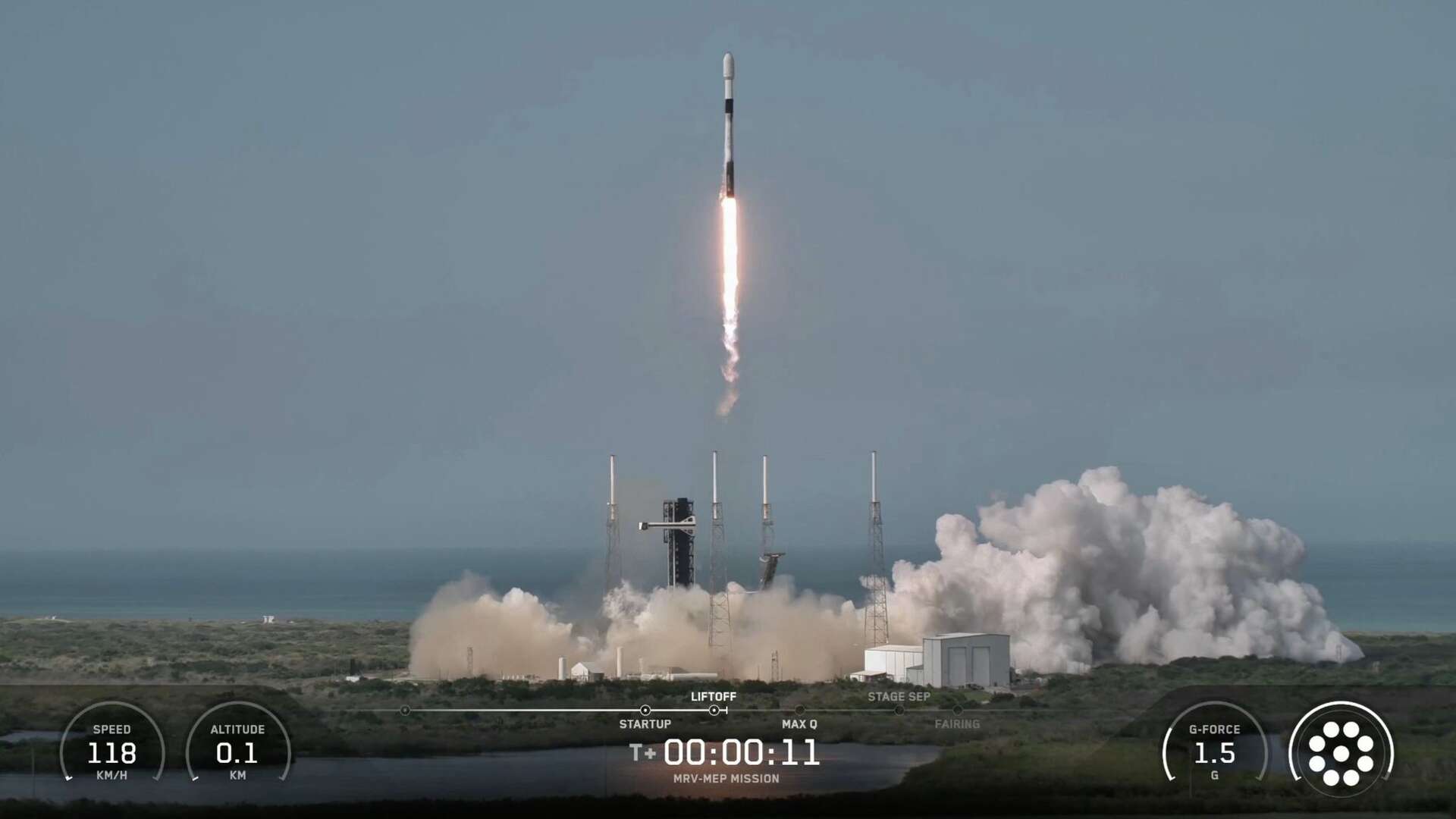
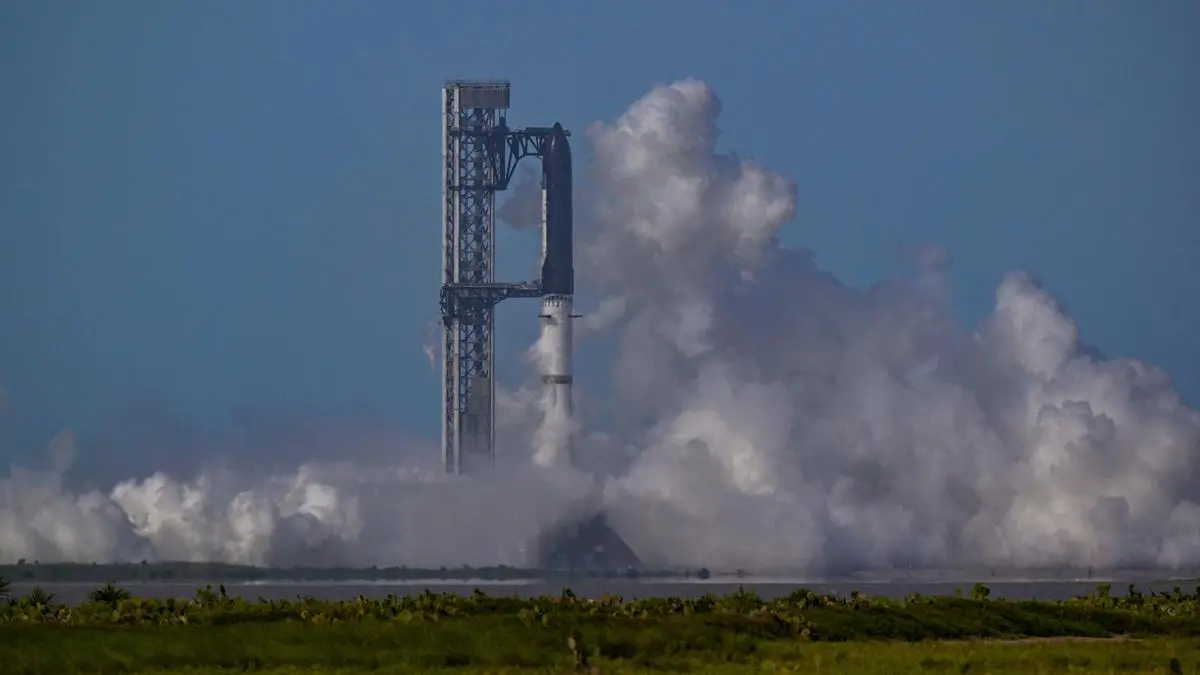
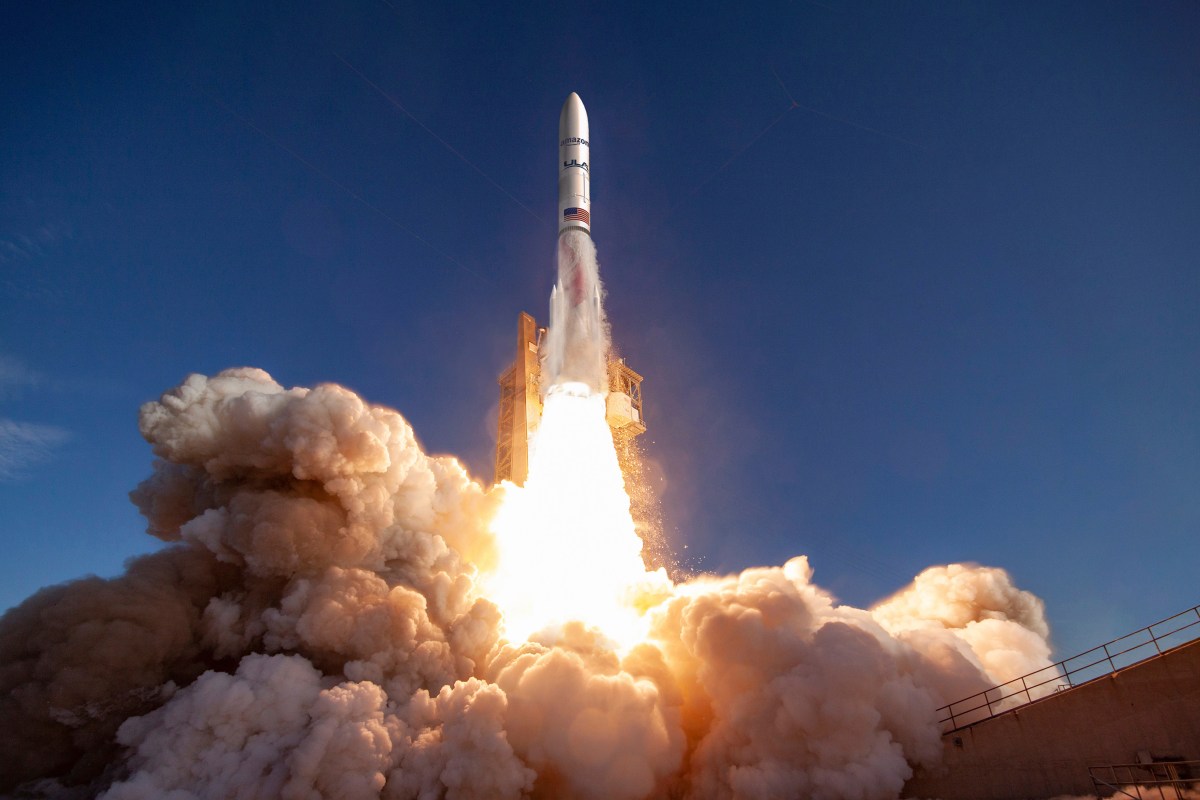
This unexpected reliance on external launch providers, rather than its intended sister company, has already forced Amazon to request an extension from the Federal Communications Commission for its critical deadline to build out its Kuiper network. While Amazon has proactively secured launch contracts with providers, including United Launch Alliance (ULA), the ongoing delays from Blue Origin highlight a strategic vulnerability compared to SpaceX, which benefits immensely from its vertically integrated satellite and launch capabilities through its Starship and Falcon rocket programs.
Yet, Amazon's sheer financial might remains its most formidable and perhaps decisive asset in this high-stakes game. With staggering current assets, the company can sustain massive, long-term investments in Project Kuiper and its newly expanded mobile satellite network, even in the face of significant technical setbacks and market uncertainties. This deep capital reserve positions Amazon to strategically weather protracted development costs and market fluctuations in a way that many other space-focused startups simply cannot, potentially outspending and outlasting competitors over the long haul.
This unparalleled financial advantage is a critical differentiator from SpaceX, which, despite its impressive private valuation and extensive fundraising efforts, still faces pressing and enormous capital needs. This is starkly evidenced by a significant spectrum acquisition for its mobile constellation, an investment that underscores the immense financial requirements of building out global satellite infrastructure. While SpaceX undoubtedly holds a first-mover advantage and proven, reliable launch capability, Amazon's seemingly endless ability to commit resources could ultimately turn this into a protracted war of attrition.
The broader trend underscored by this escalating rivalry is a fascinating and inevitable convergence of traditional tech giants with cutting-edge space infrastructure. Companies like Amazon, with their vast cloud computing empires, intricate logistics networks, and global e-commerce platforms, increasingly view ubiquitous satellite connectivity as a natural, strategic extension of their digital dominion. They are moving beyond simply *using* third-party network infrastructure to actively *owning* and *operating* it, ensuring resilient and ubiquitous connectivity for their future services, which range from expanded cloud computing regions to precision logistics and even advanced drone delivery systems.
Looking ahead, the ambitious expansion of satellite-to-mobile connectivity promises to fundamentally redefine the global digital landscape. While initial use cases might indeed be limited to basic messaging or emergency services, the long-term potential for truly universal access — particularly in critical areas like disaster relief, facilitating remote work in previously unconnected regions, and bringing digital inclusion to underserved communities worldwide — is absolutely enormous. The intense, multi-billion-dollar rivalry between Amazon and SpaceX is not merely a corporate squabble; it stands as a pivotal driving force behind a new and transformative era of global communication, one where your everyday smartphone could genuinely work anywhere on Earth.
Frequently asked questions
What is Amazon's new satellite network for mobile phones?
Amazon is developing Project Kuiper, a multi-billion dollar satellite constellation designed to provide mobile phone service and broader internet access globally, directly competing with SpaceX's Starlink. It aims to offer high-speed, low-latency connectivity to underserved areas.
How does Amazon's satellite network challenge SpaceX?
Amazon's Project Kuiper will directly compete with SpaceX's Starlink by offering similar satellite-based internet and mobile services, intensifying the rivalry in the burgeoning space internet sector and potentially driving innovation and lower costs.
What is Project Kuiper?
Project Kuiper is Amazon's initiative to build a large constellation of over 3,200 low Earth orbit satellites to provide broadband internet access globally, including direct mobile phone service, aiming to connect unserved and underserved communities.
Has Amazon filed an application for this network?
Yes, Amazon has filed an application with the Federal Communications Commission (FCC) to deploy its new fleet of satellites specifically dedicated to mobile phone service, signaling its serious intent in this market.
What impact will Amazon's satellite network have on mobile connectivity?
Amazon's new satellite network is expected to dramatically reshape how people connect, potentially expanding mobile phone service to remote areas, increasing competition among providers, and making high-speed internet more accessible globally.
What is the primary goal of Amazon's new satellite network?
The primary goal is to provide widespread mobile phone service and high-speed internet access globally, leveraging a new fleet of satellites to challenge existing space internet providers like SpaceX and connect unserved populations.