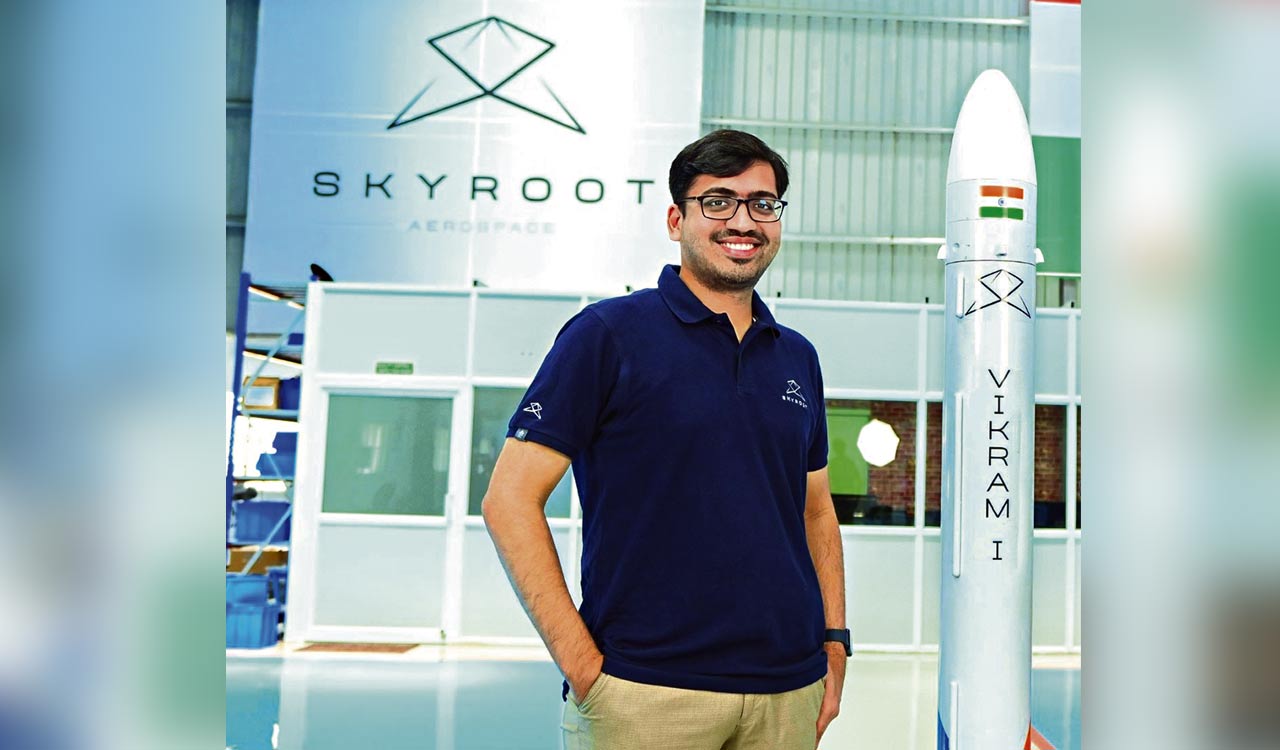
Skyroot CEO's 'Switch off, switch on' fix saved historic Vikram-S launch from anomaly, boosting India's private space sector.
Skyroot Aerospace successfully navigated a critical in-flight anomaly during its maiden Vikram-S rocket launch, a pivotal moment for India's burgeoning private space sector that signals enhanced operational resilience and could bolster investor confidence in high-risk ventures. The incident, involving a pressure anomaly in the rocket's upper stage, was resolved through an ingenious "switch off, switch on" protocol, preventing mission failure and reinforcing the viability of privately developed launch capabilities.
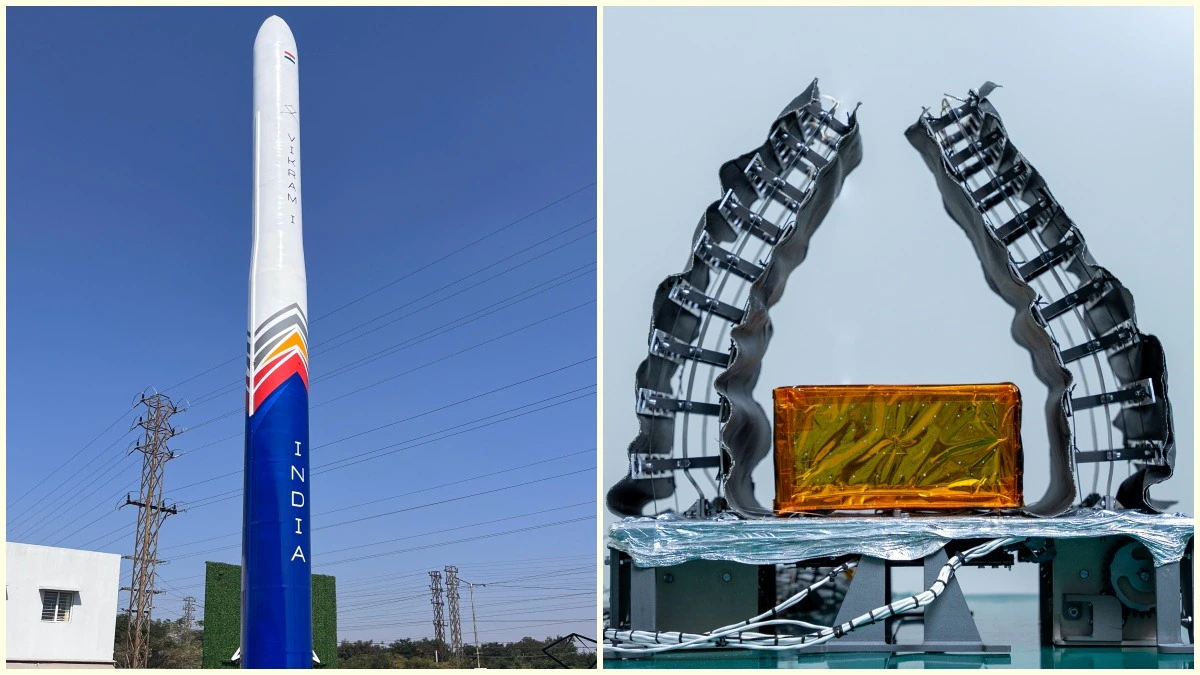
The Vikram-S, a sub-orbital launch vehicle, undertook the 'Prarambh' mission, carrying three customer payloads. The Skyroot CEO detailed the unexpected pressure drop in the upper stage, which occurred during the flight's critical phase. Engineers at the ground station swiftly initiated a remote reset, effectively rebooting the flight computer and restoring nominal operations, allowing for the successful deployment of the payloads into space.
This rapid, real-time diagnostic and correction capability showcased a level of operational maturity that is critical for attracting sustained capital into the nascent private space industry. The successful recovery from a near-catastrophe on a maiden flight demonstrates robust engineering and software safeguards, which are paramount for clients entrusting their valuable payloads to new launch providers.
The event underscores the intense technical complexities inherent in space launches and highlights the dynamic problem-solving acumen required to operate in this domain. For investors eyeing the commercial space sector, such displays of in-flight resilience can mitigate perceived risks, potentially influencing future valuation multiples and accelerating funding rounds for innovative space startups.
What Does This Mean for Commercial Space Investments?
The successful recovery of the Vikram-S mission provides a significant psychological boost to the global private space investment landscape, particularly within emerging markets. Investor appetite for space technology, while growing, remains sensitive to operational successes and failures, given the high capital expenditure and extended timelines associated with development cycles.
A mission salvaged through on-the-fly innovation like Skyroot's "switch off, switch on" fix demonstrates a company's deep technical expertise and adaptability, qualities highly valued by venture capital firms and institutional investors. Such proof points can de-risk future funding rounds, potentially lowering the cost of capital for subsequent projects and attracting a broader pool of financial backers.
The incident could also serve as a validation of India's strategic push to privatize and commercialize its space sector, aligning with the broader 'Make in India' initiative. This policy shift has opened doors for private entities to develop and launch rockets and satellites, creating new avenues for economic growth and technological leadership.
The global space economy is projected to grow significantly, driven by commercialization and increased private sector participation.
How Is India's Space Sector Evolving?
India's space program has historically been dominated by the Indian Space Research Organisation (ISRO), a state-run entity that achieved remarkable milestones on a constrained budget. However, recent policy reforms, notably the establishment of IN-SPACe (Indian National Space Promotion and Authorization Centre), have created a framework for private players to enter the market, fostering domestic competition and innovation.
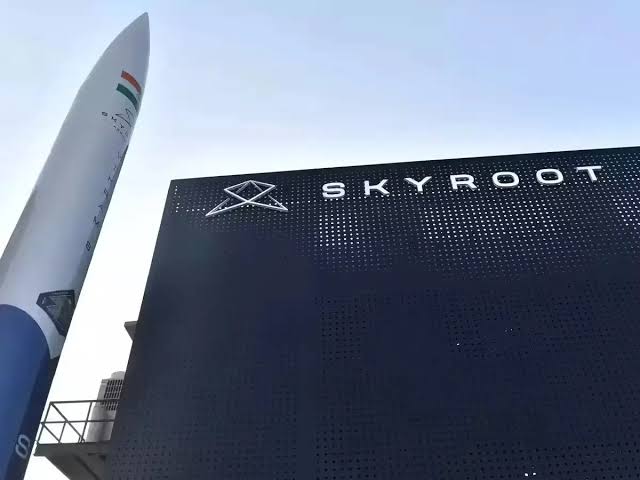
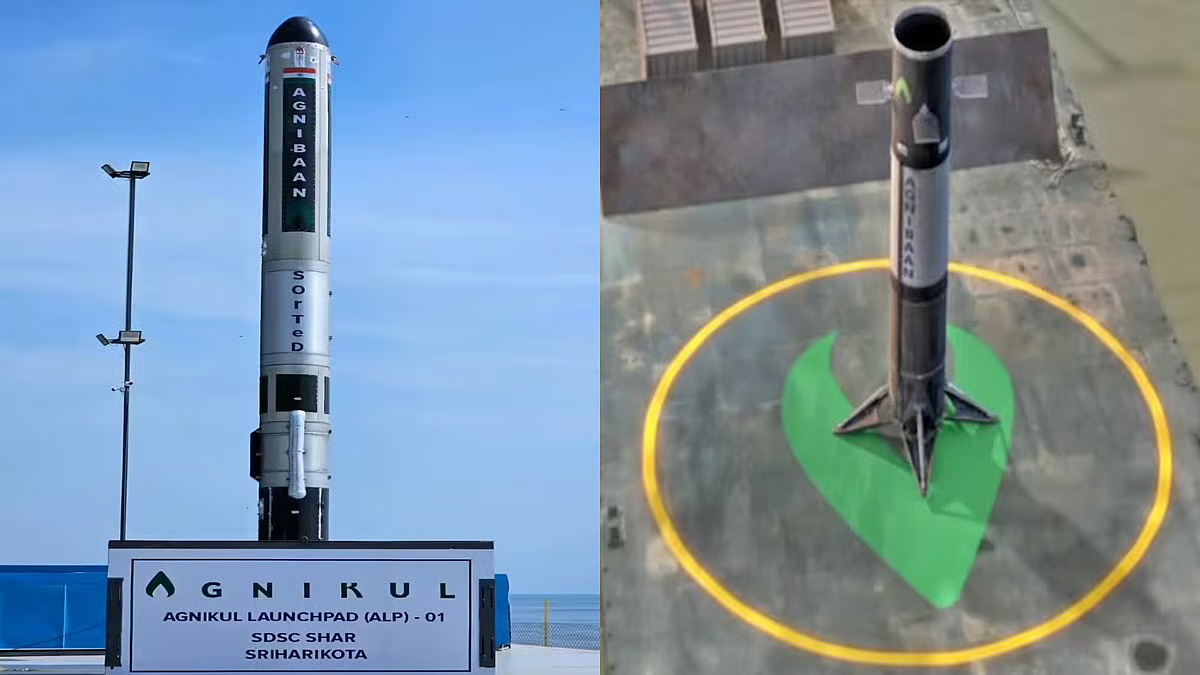
Skyroot Aerospace, founded by former ISRO scientists, is at the forefront of this private sector surge, alongside other startups like Agnikul Cosmos and Bellatrix Aerospace. These companies are capitalizing on the growing demand for small satellite launch services, a segment experiencing rapid expansion due to the proliferation of CubeSats and other micro-satellites for diverse applications from broadband internet to earth observation.
The government's strategic intent is to leverage India's engineering talent and cost efficiencies to capture a larger share of the global space market. By encouraging private enterprise, India aims to reduce the burden on ISRO, allowing the agency to focus on advanced research and strategic missions, while the commercial sector addresses the burgeoning needs of satellite operators worldwide.
What Are the Long-Term Challenges for Indian Space Startups?
Despite the recent successes, Indian private space companies face significant challenges, including securing consistent, large-scale funding in a capital-intensive industry. The gestation period for rocket development and commercialization can be protracted, demanding patient capital and robust investor confidence beyond initial seed rounds.
Competition from established global players like SpaceX and Rocket Lab, along with other emerging private firms in the U.S., Europe, and China, remains intense. Differentiation through cost-effectiveness, reliability, and innovative launch solutions will be crucial for these Indian companies to carve out sustainable market niches.
Regulatory complexities and the need for streamlined licensing processes also present hurdles. While IN-SPACe has simplified some aspects, continuous adaptation of policies to keep pace with rapid technological advancements and international best practices will be essential for fostering a competitive and predictable operating environment for these ventures.
Looking ahead, the successful navigation of such in-flight anomalies positions Skyroot Aerospace favorably for future fundraising and commercial contracts, signaling robust operational capabilities. The company is expected to pursue further test flights and commercial launches in the coming quarters, with analysts closely watching its ability to scale operations and secure a significant market share in the global small satellite launch segment.
Frequently asked questions
What was the 'Switch off, switch on' fix used by Skyroot?
During its maiden Vikram-S rocket launch, Skyroot Aerospace encountered a critical in-flight pressure anomaly. The CEO revealed an ingenious 'switch off, switch on' solution, which involved temporarily powering down and restarting the system to resolve the issue and ensure mission success.
Who is the Skyroot CEO mentioned in the article?
The article refers to Pawan Kumar Chandana, the CEO of Skyroot Aerospace.
What was the significance of the Vikram-S rocket launch for India?
The Vikram-S rocket launch was historic as Skyroot Aerospace was the first private Indian company to successfully launch a rocket, marking a pivotal moment for India's burgeoning private space sector and signaling enhanced operational resilience.
How did the fix impact investor confidence in India's private space sector?
Successfully navigating the in-flight anomaly through an ingenious fix demonstrated Skyroot's operational resilience and problem-solving capabilities, which is expected to bolster investor confidence in high-risk ventures within India's private space sector.
What kind of anomaly occurred during the Vikram-S launch?
The article preview mentions a critical in-flight pressure anomaly in the rocket's upper stage.
Where can I find more details about Skyroot Aerospace?
Skyroot Aerospace is an Indian private aerospace manufacturer and commercial launch service provider, headquartered in Hyderabad, India.