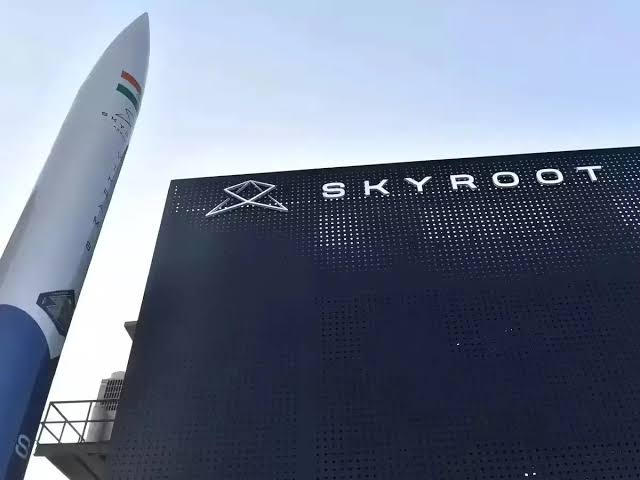
Skyroot Aerospace's Vikram-1 aims to revolutionize orbital debris removal with robotic 'hugs,' unlocking new revenue in the booming space economy.
Hyderabad-based Skyroot Aerospace is advancing plans to equip its Vikram-1 rocket with robotic capabilities for orbital debris cleanup, signaling a strategic pivot towards in-orbit servicing that could unlock significant new revenue streams within the burgeoning space economy. This move positions the Indian startup as an early mover in a critical, high-growth sector, attracting heightened investor scrutiny into the long-term viability of space infrastructure solutions.
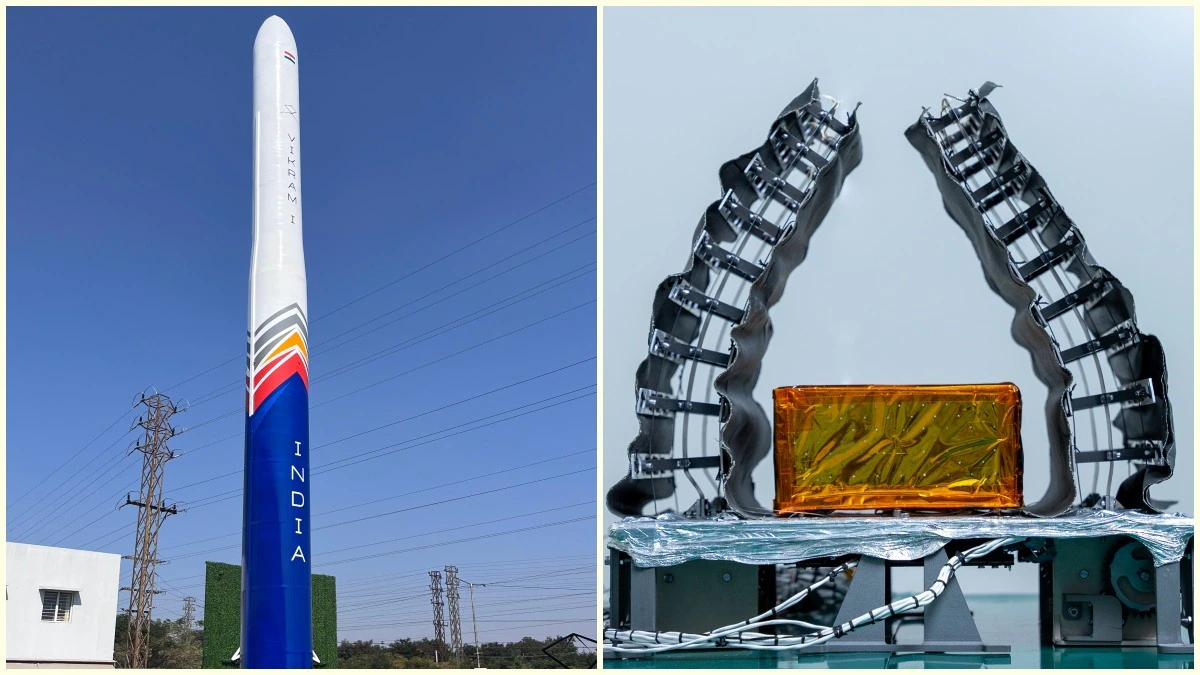
The company's Vikram-1, a launch vehicle primarily designed for small satellite deployment, is now envisioned to incorporate a robotic arm capable of "hugging" and de-orbiting space junk. This innovative approach aims to address the rapidly escalating problem of orbital pollution, which currently poses substantial risks to operational satellites and future space missions.
Skyroot's initiative represents a calculated expansion beyond its core launch services into the nascent but essential market for In-Orbit Servicing, Assembly, and Manufacturing (ISAM). The financial implications are clear; diversifying capabilities could de-risk the company's business model and tap into a market projected to grow exponentially as orbital congestion intensifies and regulatory pressures for debris mitigation mount globally.
What It Means for Investment in Space Tech
This development is a bellwether for the evolving investment landscape in the space sector. My read is that founders and venture capitalists are increasingly looking beyond pure-play launch services, which are becoming commoditized, towards high-value, complex solutions like debris removal and satellite servicing. Skyroot's strategic move to integrate this capability into an existing launch platform demonstrates an agile response to market needs, potentially enhancing its valuation multiples in future funding rounds.
For investors, the long-term value proposition lies in the critical nature of the problem Skyroot aims to solve. The operational lifespan and insurance costs for satellites are directly impacted by orbital debris. Companies that can effectively mitigate this risk will command premium service fees and establish defensible market positions in an inherently capital-intensive industry. This convergence of deep tech innovation with essential infrastructure services presents a compelling investment thesis.
The Indian Space Ecosystem's Ascent
Skyroot Aerospace has already distinguished itself as a pioneer within India's newly liberalized space sector, becoming the first private Indian company to successfully launch a rocket, the Vikram-S, in November 2022. This initial success, backed by significant venture funding, established its credentials in a domain historically dominated by government entities like ISRO.
The company's journey began with a vision to democratize space access through cost-effective launch solutions, attracting attention from investors betting on India's burgeoning private space industry. This latest pivot towards debris cleanup showcases a maturing strategic outlook, recognizing that sustained access to space requires a clean and safe orbital environment. India's supportive regulatory framework, championed by entities such as IN-SPACe, encourages private sector participation, fueling a competitive ecosystem ripe for innovation and investment.
Global Momentum in Debris Mitigation
The challenge of space debris is a global concern, prompting initiatives worldwide. Companies like Japan's Astroscale and Switzerland's ClearSpace are also developing various technologies, including magnetic capture and net deployment, to address the problem. The European Space Agency (ESA) has been actively funding research and demonstration missions, underscoring the international urgency to develop scalable and economically viable solutions.
While a comprehensive international regulatory framework for debris removal is still nascent, the technological race to develop effective solutions is intensifying. Skyroot's entry into this specialized segment with a multi-functional rocket like Vikram-1 could position India as a key player, leveraging its engineering talent and cost advantages to offer competitive services on the global stage. The ability to launch, maneuver, and then service/de-orbit provides an integrated approach that could yield significant competitive advantages.
What to watch for next are further details on Skyroot's robotic arm development timeline, including specific mission profiles and projected costs, which will be critical for assessing its commercial viability. Key triggers will include successful ground tests of the robotic arm and any future funding announcements that explicitly highlight this new service offering. The broader market will also track international regulatory developments around space traffic management and debris liability, which could significantly shape the demand for such services.
Frequently asked questions
What is Skyroot Aerospace's Vikram-1 rocket doing to clean up space junk?
Skyroot Aerospace's Vikram-1 is being designed with robotic capabilities to perform 'robotic hugs,' or capture maneuvers, to remove defunct satellites and debris from Earth's orbit, contributing to space sustainability.
How will Vikram-1's robotic capabilities work?
The Vikram-1 rocket will use advanced robotic arms or grappling mechanisms to rendezvous with and capture defunct satellites or pieces of space debris, bringing them into a controlled descent or to a disposal orbit.
Why is space junk cleanup important?
Space junk poses a significant threat to operational satellites and future space missions, increasing the risk of collisions. Cleaning it up is crucial for maintaining a sustainable and safe orbital environment.
What is Skyroot Aerospace?
Skyroot Aerospace is a private Indian aerospace startup based in Hyderabad, focused on developing and launching advanced space launch vehicles for commercial satellite deployment and in-orbit services.
What are the economic implications of in-orbit servicing?
In-orbit servicing, including debris removal, represents a significant growth area in the space economy, creating new revenue streams through satellite life extension, repair, refueling, and active debris removal services.
Is India a leader in space technology?
Yes, India has a rapidly advancing space program led by ISRO and supported by emerging private players like Skyroot, making significant strides in satellite launches, planetary missions, and innovative space tech development.